Showing posts with label insomnia. Show all posts

Thursday, 9 February 2017

Natural Remedies for Common Ailments

It is all to easy to reach for an Ibuprofen, paracetamol, etc., when we have a headache or a cold.  However, Taiwanese scientists  have found that taking Ibuprofen while trying to cope with a respiratory tract infection tripled the possibility of suffering a heart attack.

The reason for this is that your heart is already under stress from fighting the infection and the combination of the infection and a non-steroidal anti-inflammatory drug such as Ibuprofen seems to be deadly.  However, paracetamol doesn't seem to be much better, and recent review suggests that paracetamol in just as dangerous.  The one thing that is clear is that more research is needed.

However, there are natural remedies for common complaints that actually work surprisingly well.

Indigestion:

That feeling of being uncomfortable usually in the upper abdomen after a meal.  Not to be confused with heart burn, also known as acid reflux which is a burning sensation caused by the stomach contents splashing back up into the oesophagus.  The burning sensation is due to the stomach acid coming into contact with the sensitive lining of the oesophagus.

Quite often indigestion can be caused by eating fatty foods such as pastries.  Artichoke extract can
help ease that bloated feeling.  The artichoke stimulates bile production in the liver which helps in the digestion of fat.  You can take it before a meal that you know is going to be copious or after.

Milk Thistle is a traditional herbal medicine for treating overindulgence, upset stomach and indigestion.  As with artichoke, milk thistle also works in the liver stimulating bile production.  It also provides antioxidant protection from the effects of alcohol.

Another option is silicogel, a natural oral gel that forms a protective barrier over the lining of the stomach and intestines.  Silicogel also helps soothe gases and reduces excess acidity.

Bronchitis, Sinusitis, and the Common Cold:

Prevention is key with these.  Eat a healthy, balanced diet with plenty of fresh fruit and vegetables.  If necessary, you can take a vitamin C supplement and get your vitamin D levels checked.

Pelargonium
However, if you do get a cold then Pelargonium (derived from the roots of a South African geranium) is extremely effective.  Pelargonium has antiviral and antibacterial properties, it boosts immune cell activity and neutralizes infections, it also stops bacteria from sticking to cell walls.  Pelargonium helps clear mucus quickly which helps in the treatment of sinusitis, laryngitis, sore throat and simple bronchitis.

Take it as soon as you notice the first symptoms, and continue for 3 days after symptoms have disappeared.


Feeling Down?

Lots of people are prone to feeling down in the winter months.  Cold, wet weather doesn't help much, but there are things you can do.  My favorite, and one I recommend wholeheartedly is 5HTP.

5HTP stimulates the production of brain chemicals such as melatonin, serotonin, and endorphins, all
St. John's Wart
involved in mood regulation.  5HTP provides  the building blocks necessary for boosting serotonin production, this means it tends to be more effective and quicker acting than conventional antidepressants.

St. John's Wart or the sunshine herb, is also good for lifting moods.  Similar to traditional antidepressants, St. John's Wart affects the levels of neurotransmitters like serotonin in the brain.


ONE WORD OF WARNING:  YOU CAN NOT TAKE EITHER OF THESE IF YOU ARE TAKING AN ANTIDEPRESSANT

Insomnia:

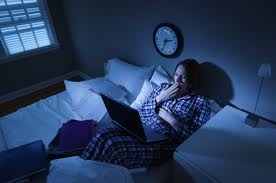
There is a reason for sleep deprivation being used as a form of torture.  Anyone who has ever suffered from insomnia knows just how harrowing it can be and how far reaching the consequences.  Sleep is necessary for both physical and mental health.

Valerian
5HTP can also help with sleep as it helps in the production of melatonin.  But if you find that 5HTP doesn't help, then you can try melatonin supplements.  Melatonin regulates the night and day cycles.  Which makes it really good for business people that travel a lot and have to cope with jet lag.  Darkness causes the brain to produce melatonin, signaling the body to prepare for sleep.  If you decide to try melatonin supplements, you must take it at bedtime and your bedroom must be completely dark.  My advice is to start with a low dosage, 2-3mg before bedtime - one known side effect of higher dosis is being in a really bad mood!

Valerian is another option, it contains a number of unique substances that help reduce stress and anxiety.  Valerian increases the levels of gamma-aminobutyric acid (GABA) which is a chemical that calms the brain.  Valerian has been used to help with insomnia, anxiety and nerves.

So, before popping pills try some natural remedies!

Note:  Everything here is talked about in supplement form, I have not put images of supplements so as not to give visibility to commercial brands.

I can help you improve your health.  If you would like to make an appointment with me either in person or via Skype, just send me an email to lucycarr@socialnutrition.com

Thursday, 12 September 2013

Just how dangerous are Diet Sodas?

Lots of us, and I mean lots - including me, drink diet sodas on a daily basis.  They are something that have been marketed as a way to help you in your quest to lose weight, maintain your healthy weight or as something diabetics can enjoy or a way to avoid the vast amount of sugar found in regular sodas.

But the truth about diet sodas is far uglier than companies such as Coca Cola or Pepsi Co would want us to know.  Aspartame, the chemical that gives diet soda and other goods their sweet taste, is also called NutraSweet, Equal, Spoonful, and Equal-Measure.  It was originally discovered by James Schlatter, a chemist at G.D. Searle Company who was testing an anti-ulcer drug but discovered aspartame instead.  It was first approved for use in dry goods in 1974, but Dr. John W. Olney, a neuroscience researcher and a consumer attorney James Turner filed objections in August 1974 and subsequent investigations of G.D. Searle's research practices caused the FDA to postpone approval of aspartame in December 1974.  However, it was finally approved for dry goods in 1981 and for carbonated drinks in 1983.  Then in 1985 Monsanto bought G.D. Searle and made Searle Pharmaceuticals and The NutraSweet Company separate subsidiaries.

Over the years, it has been found that aspartame accounts for over 75% of the adverse reactions to food additives reported to the FDA.  Many of these adverse reactions are actually extremely serious, including seizures and even death.  A report has documented 90 different symptoms caused by aspartame, such as:

  • Headaches/ migraines
  • Dizziness
  • Seizures
  • Nausea
  • Numbness
  • Muscle Spasms
  • Weight GAIN
  • Rashes
  • Depression
  • Fatigue
  • Irritability
  • Tachycardia
  • Insomnia
  • Vision Problems
  • Hearing Loss
  • Heart Palpitations
  • Breathing Difficulties
  • Anxiety Attacks
  • Slurred Speech
  • Loss of Taste
  • Tinnitus
  • Vertigo
  • Memory Loss
  • Joint Pain
But, unfortunately, that's not all.  Researchers and physicians studying the adverse effects of aspartame, say that certain chronic illnesses can be triggered or worsened by taking aspartame, these are:
  • Brain Tumors
  • Multiple Sclerosis
  • Epilepsy
  • Chronic Fatigue Syndrome
  • Parkinson's Disease
  • Alzheimer's Disease
  • Mental Retardation
  • Lymphoma
  • Birth Defects
  • Fibromyalgia
  • DIABETES
  • Systemic Lupus
Why is aspartame so dangerous?

When the temperature of this sweetener exceeds 27ÂșC, the wood alcohol en aspartame converts to formaldehyde and then to formic acid, which in turn causes metabolic acidosis.  Formic acid is the poison found in the sting of fire ants.  The methanol toxicity mimics, among other conditions, multiple sclerosis and systemic lupus.

Systemic Lupus has become almost as rampant as multiple sclerosis, especially with Diet Coke and Diet Pepsi drinkers.  The victim usually does not know that the aspartame is the culprit.  He or she continues to drink it, irritating the lupus to such a degree that it may become a life-threatening condition.  In the case of those diagnosed with Multiple Sclerosis, most of the symptoms disappear and many cases where vision loss returned and hearing loss improved markedly.

The good news is that symptoms from aspartame poisoning including: spasms, shooting pains, numbness in your legs, cramps, vertigo, dizziness, headaches, tinnitus, joint pain, unexplained depression, anxiety attacks, slurred speech, blurred vision or memory loss are reversible.

All you have to do is eliminate diet sodas and other forms of aspartame from your diet.  Diet soda is not a diet product. Diet sodas are a chemically altered, multiple sodium (salt) and aspartame containing product that actually makes you crave carbohydrates.  It is far more likely to make you GAIN weight than lose it.

These products also contain formaldehyde, which stores in the fat cells, particularly in the hips and thighs, formaldehyde is a toxin and is used primarily to preserve tissue specimens.

Aspartic acid and phenylalanine are neurotoxic when take without the other amino acids necessary for a good balance.  Especially diabetics, the aspartame passes the blood/brain barrier and it then deteriorates the neurons of the brain; causing various levels of brain damage, seizures, depression, manic depression, panic attacks, uncontrollable anger and rage.  Aspartame consumption causes these same symptoms in non-diabetics as well.  Documentation and observation also reveal that thousands of children diagnosed with ADD and ADHD have had complete turnarounds in their behavior when these chemicals have been removed from their diet.  Children are especially susceptible to neurological disorders and should never be given artificial sweeteners.

A lot of the problem, as always, is political.  Monsanto funds, among others, the American Diabetes Association, the American Dietetic Association and the Conference of the American College of Physicians.  This was recently exposed in the New York Times.  These organizations can not criticize any additives or convey their link to Monsanto because they take money from the food industry and are required to endorse their products.

Senator Howard Metzenbaum wrote and presented a bill that would require warnings on labels of
products containing aspartame, especially regarding pregnant women, children and infants.  The bill would also institute independent studies on the known dangers and the problems existing in the general population regarding seizures, changes in brain chemistry, neurological changes and behavioral symptoms.  The bill was "killed".  It is known that powerful drug and chemical lobbies are responsible for this - as always. 

As I have stated in many of my posts, the only way to truly look after your body is to eat as naturally as possible and to avoid all processed and chemically enhanced food products.  I admit, I have been an avid Diet Coke drinker for years, in fact it made up a large part of my daily beverage intake.  But, since reading up on the dangers of aspartame I have eliminated it from my life - for good.

Having information like this means that you can make an informed decision as to what goes into your body, and knowing the effects those product might have on your health.  There is no greater power than information.

Social Nutrition:
You can make an appointment to improve your health with Social Nutrition either in person (Madrid) or online (Skype).  Just send an email to lucycarr@socialnutrition.com

Thursday, 7 March 2013

Good sleep is essential for health.

We all know that diet and exercise are essential for good health, but a good night's sleep is also high on the list - right up there at the top with exercise and diet.

A new study lead by sleep expert Professor Dirk-Jan Dijk from the University of Surrey and published in the journal Proceedings of the National Academy of Sciences, states that:
"Insufficient sleep is increasingly recognized as contributing to a wide range of health problems.
"Multiple studies have shown self-reported short sleep duration - defined in most studies as less than six hours - is associated with negative health outcomes such as all-cause mortality, obesity, diabetes, cardiovascular disease and impaired vigilance and cognition."
During this small study, the researchers studied gene activity in 26 sleep deprived volunteers.  They discovered that insufficient sleep had an impact on more than 700 genes.  Some of those genes became sluggish in their activity while others became overactive.  The genes affected included those associated with the "body clock" cycle, metabolism, and immune and stress responses.

During the study, the volunteers were subjected to a period of sleep restriction - 1 week of less than six hours sleep per night.  At the end of this restriction period, they had to stay awake for around forty hours while RNA samples were collected every 3 hours.

RNA is the messenger chemical that delivers coded instructions from genes to cells.  RNA can be used as a tool to measure gene activity.

The volunteers were then allowed to sleep for up to ten hours per night for a week and again, at the end of the week, RNA samples were taken every 3 hours during a long period of wakefulness.  The results from the two different weeks of RNA samples were then compared.

The scientists noted that "Sleep obtained in the sleep-restriction condition was not sufficient to maintain alertness or performance."

Doesn't seem like much of a result after all the volunteers went through!

However, 1 in 3 Britons is managing on 5-6 hours sleep per night.  Almost half of Britons say stress or worry keeps them awake at night, according to a report published 1st March 2013 by The Sleep Council.

More than 5000 people were surveyed about their sleeping habits in The Great British Bedtime Report. The findings were that the average Briton achieves about 6 hours 35 minutes sleep per night.  Research suggests that for good health, seven and a half hours per night is necessary.

Scientists from Surrey University have stated that just seven days of poor sleep can disrupt hundreds of genes linked to stress, immunity and inflammation.

Dr. Chris Idzikowski, Director of the Edinburgh Sleep Centre, said that worsening sleep habits were a "significant" cause for concern.
"Disrupted sleep not only impacts on quality of life but there's an increased risk of higher blood pressure, heart attacks and strokes.  Many studies in recent years have concluded there is a higher death rate linked with less than five and a half hours sleep a night and more than nine and a half.
"It's still not clear why, but deterioration in people's thinking ability alone can occur after just one night of poor sleep."
He said that growing rates of obesity may be partly to blame with associated problems stopping those affected from sleeping properly and quite often their partners too.

According to a 2004 study, people who sleep less than six hours a night were almost 30% more likely to become obese than those who slept 7-9 hours.

There seems to be a link between sleep and the peptides that regulate appetite.  Ghrelin stimulates hunger and leptin signals satiety to the brain, which then suppresses appetite.  Less sleep is associated with decreases in leptin and increases in Ghrelin.  This means that lack of sleep appears to stimulate hunger and also a craving for high-fat, high-carbohydrate foods.

The current economic crisis doesn't help.  Our stress levels have shot up, with people who have lost their jobs not sleeping and others lie awake at night worrying about losing their jobs.  47% of those surveyed in The Sleep Council's report said that stress or worry was keeping them awake at night.  This figure was much higher for women at 54% and singles at 57%.  Men came in at 40%.

The study found that 22% of Britons weren't getting a good night's sleep most nights and that men seem to sleep better than women with 30% sleeping well compared with 22% of women.

Lack of sleep can also affect our interpretation of events, which leads to impaired judgement as we may not assess situations accurately and act on them wisely.

Sleep deprived people seem to be especially prone to poor judgement when it comes to evaluating what lack of sleep is doing to them.  Sleep specialists say that if you think you're doing ok on less sleep you're probably wrong.  Studies show that over time, people who are getting 6 hours of sleep as opposed to 7-8 hours, begin to feel that they've adapted to that lack of sleep, but tests on mental alertness and performance show that they are going downhill, this shows that there is a point in sleep deprivation when we lose touch with how impaired we really are.  So if your job depends on you being able to judge your level of functioning - this can be a real problem.

It has also been found that the type of light emitted from televisions, smartphones and tablets stop the brain from understanding it's time to go to sleep.  So it is advisable to keep these things out of the bedroom.   If you find yourself in bed and unable to sleep then experts advise you to get out of bed and sit in a chair and read a book or carry out some quiet activity and when you begin to feel sleepy go back to bed and use a relaxation technique to get to sleep.

Remember, sleep is very important on all levels.  How well are you sleeping?


Social Nutrition:
You can make an appointment to improve your health with Social Nutrition either in person (Madrid) or online (Skype).  Just send an email to lucycarr@socialnutrition.com