Showing posts with label potatoes. Show all posts

Thursday, 23 February 2017

Diabetes, what not to eat.

Diabetes used to be a very rare disease.  Unfortunately, nowadays, it is all too common.  Type 2 diabetes is a lifestyle acquired disease - this means that unlike type 1 diabetes, type 2 is the direct result of your lifestyle (eating habits, exercise habits, etc..).  So, I am sure you will understand that if you have given yourself type 2 diabetes through your day to day choices, then you can change those choices and habits and improve your health.

Type 2 diabetes can lead to a whole host of serious diseases such as heart disease, blindness and even limb amputation due to the lack of circulation that causes gangrene.

For me, the scariest thing is that everyday more and more children are being diagnosed with diabetes.

Type 2 diabetes is reversible, and in the very least controlable, it is up to you.

So, if you have been diagnosed with type 2 diabetes, if you are pre-diabetic or if there is a history of type 2 diabetes in your family, then you might want to start looking after yourself.

Here is what you SHOULDN'T eat:

A big problem for people with type 2 diabetes is carb intake.  Carbs severely affect the blood glucose level causing it to spike but the insulin response to the spike doesn't work.  So, if you have high glucose blood levels for sustained periods of time your body's nerves and blood vessels can be damaged which is the beginning of heart disease, kidney disease and other health conditions.  Keeping to a low carb diet is the best way to avoid any more serious health problems.

So, the first things you need to avoid are refined "white" carbs; white bread, pasta, and white rice.  Refined products have had all nutritional benefits removed during the refining process, leaving them with next to no nutritional value, but they will quickly spike your blood sugar levels.  This also goes for gluten-free products that were found to have the biggest effect on blood sugar levels, the rice-based products were the worst.

Another study found that the effect wasn't limited to raised blood sugar levels but also found that brain function was impaired in people with type 2 diabetes.

Fiber is an extremely important part of our diet.  It is the fiber in high sugar foods such as fruit that stop them being dangerous.  The fiber content means that the sugars are released slowly over a longer period of time.  Refined products like bread, pasta, etc, have very little fiber and so the sugars are released quickly.

Eat wholegrain foods whenever you need to have carbs, the less processed the better and high-fiber breads have been shown to reduce blood sugar levels in people with type 2 diabetes, and they also showed reduced levels of cholesterol and blood pressure.

Sugary drinks are another no, as I am sure you can imagine.  They are very high carb as each can of
330ml soda contains 38g of sugar - and what is more it is mainly fructose  that you might remember from last week's post.  Fructose is extremely hard for the body to process and can lead to metabolic changes that facilitate belly fat, high cholesterol and triglyceride levels.

But don't get excited about diet versions, they are just as bad for diabetes as regular soda.  A recent study posted in the American Journal of Clinical Nutrition which followed 66,118 women over a period of 14 years and kept track of the drinks they consumed.  By the end of the study, both sugar sweetened drinks and diet drinks were linked to a higher risk of type 2 diabetes.

It's a much better idea to stick to water, sparkling water or unsweetened drinks.

Breakfast cereals are also right up there in the high carb section.  If you read the ingredients on a packet of commercial cereal  the second ingredient is usually sugar with the first being some kind of refined cereal, usually wheat.  These are highly processed and lacking in nutrients.  And don't be fooled by the supposedly healthy ones either, they also have high amounts of sugar - you'd be surprised as to how much.

Yogurts are generally deemed healthy, and if they are natural yogurts with no added fruit, sugar or flavoring then they generally are.

However, the minute you get into added fruit and flavoring then you are talking about large amounts of added sugar.  Just one 245g serving of fruit-flavored yogurt can contain a huge 47g of sugar - that's almost 81% of its total calories from sugar!

Stick to plain greek yogurt or kefir - your gut bacteria will love you for it too!

Avoid Starbucks and other such places like the plague.  Our brains do not process liquid or solid calories in the same way.  You don't consider a coffee to be food which means you will probably eat more later, putting your weight at risk.  If you are overweight, then this will only give you an even bigger problem.

Although coffee does have certain health benefits, adding milk and flavored syrups just means adding even more sugar - again.  Even the diet versions have enough carbs in them to raise blood sugar levels.  Just one caramel frappuccino from Starbucks (454ml) has 67g of carbs and the diet version as 30g of carbs...  Need I say more?

Stick to plain old black coffee or expresso and if you must, add some heavy cream.

Honey and spice and all things nice...  Some people believe that natural sweeteners such as honey, agave nectar and maple syrup are healthier versions of white sugar.  But in fact they are even worse.  The carb count for white sugar is 12.6g per tablespoon, so you might be surprised to find out that one tablespoon of honey has a carb count to 17g, Agave nectar comes in at 16g per tablespoon and Maple syrup has a carb count of 13g.  So as you can imagine these aren't going to do any good to your blood sugar levels.

While on the subject of "healthier" options, you should stay away from dried fruit too.  Fresh fruit is a good source to vitamins and minerals and when it is dried, the loss of water content means that these nutrients can be found in higher concentrations.  However, the down side is that its sugar content also becomes concentrated.

An example of this is grapes vs raisin...  One cup of grapes contains 27g of carbs of which 1g is fiber.  Now, one cup of raisins contains 115g of carbs, of which 5g are fiber.  So, if you do have diabetes then stick to low sugar fruits such as berries, small apples, etc., are good for you as their fiber content helps with a slower rate of absorption of the sugars.

Don't even think about juice.  Fruit juice is deemed healthy, but in fact all it is is fruit flavored sugar water.  When you make juice you remove all the fiber from the fruit, and if you remember it is the fiber that makes fruit healthy.  So eat the whole orange - fiber and all!

Potatoes in any form are high in carbs, but especially when fried.  Frying any foods has been shown to produce high amounts of AGEs and aldehydes, toxic compounds that promote inflammation and increase your risk of disease.  A better option is sweet potatoes but keep them to a limited amount.

So, remember which foods to stay away from and you will be helping yourself to stay healthy or get healthier - it's in your hands!

I can help you improve your health.  If you would like to make an appointment with me either in person or via Skype, just send me an email to lucycarr@socialnutrition.com

Thursday, 4 September 2014

Low Fat or Low Carb?

For years and years and years we have been told that fats are deadly.  They apparently cause heart attacks and obesity, especially animal fats.  In 1977 the McGovern report stated that animal fats were not recommended and that vegetable oils and margarines should be used instead.  Well, we all know what that caused... a huge increase in heart disease and obesity.

We now know today, that margarines for instance, are full of deadly trans fats and that eating animal fat doesn't actually do much harm at all.  Also our supermarkets are packed full with products screaming LOW FAT or NO FAT, from the packaging.  These products are usually packed full of sugar instead.  The dietary guidelines (the food pyramid or my plate) recommend basing your diet on grains... this is meant to be interpreted as whole grains, however, most people tend to interpret white bread, pasta, etc.. But which ever way you interpret that information, basing the diet on carbs is just wrong.  However, having said that carbohydrates seem to be getting a raw deal lately with a gluten free diet being in fashion - especially in Hollywood.

So, here I want to specify what a GOOD carbohydrate is - we all know which are the bad ones; white bread, pasta, anything with refined flour in it...  But there are many naturally occurring carbohydrates in healthy foods which are good for you.  But first you have to understand is that carbohydrates are not an essential part of your diet.  If you never ate carbohydrates ever again, you would be healthy.  Unlike fats... there are essential fats such as Omega-3 and essential proteins (amino acids), if you didn't get enough of these then you would not be feeling at all well.

Good Carbohydrates are found almost exclusively in plant foods such as vegetables, beans, whole grains, fruit, nuts and seeds.  This type of carb are important, they include high levels of vitamins and minerals, fiber, and plant compounds that have healing properties called phytonutrients, or phytochemicals.  These are medicinal molecules such as curcumin in turmeric, glucosinolates in broccoli, anthocyanidins in berries and black rice, for example.  However, the focus should be on slow carbs.  Slow carbs are the ones that release their glycemic load slowly into the bloodstream and do not cause spikes in glucose levels which in turn cause insulin to be released by the pancreas.

So, which plants are the best?

Eat as much as you like:

Slow burning, low glycemic vegetables such as broccoli, asparagus, spinach, chard, kale, cabbage, bok choy, etc..  You can eat as much of these as you like, in fact your whole diet should be based on them.  Sea weed is another one that is great for you.  Try Kombu, nori, hijiki, and wakame, they are all very high in minerals, protein and healing compounds.

Eat a moderate amount:

Whole grains, and I mean whole; black, brown and red rice, quinoa, amaranth, buckwheat, and teff are all delicious and all gluten free.  Legumes are fiber-rich, phytonutrient-rich and are not used enough.  You all know what they are, lentils, chickpeas, yellow split peas, soybeans - especially edamame, pinto beans, navy beans, adzuki beans, etc..

Dark berries such as blueberries, cherries, blackberries and raspberries are packed full of phytonutrients.  The richer in color the better they are for you.  Fruits with stones in their center such as peaches, nectarines, plums, etc., these are fiber rich.  Apples and pears are also great.

Fiber stabilizes blood sugar by slowing the absorption of carbohydrates, this is why you should always eat the whole fruit and not just the juice.  The fibre in fruit helps slow the absorption of the sugar.

Limit these carbs:

Starchy, high-glycemic cooked vegetables including winter squashes, peas, potatoes, corn, and all other root vegetables.  These vegetables raise blood sugar quickly and have a high-glycemic load, eat only occasionally.

There are also fruits that are high in sugar such as melons, grapes and pineapple.

All other PROCESSED CARBS should be avoided at all times.

As I said before; fat is essential to our bodies.  Fats make up our cell walls, if you don't get enough or you eat too much of the wrong type, you will not have the right building materials for healthy cell membranes.  Omega-3 fats are perfect for cell regeneration.

Good Fats:

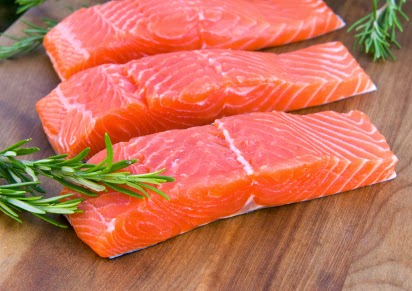
Wild cold-water fish or sustainably raised cold-water fish such as wild salmon, sardines, herring,
halibut, etc.,  Eat avocados and olives these are great sources of monounsaturated fats.  Use extra virgin olive oil, rich in anti-inflammatory and antioxidant phytochemicals.  However, olive oil should not be used for high temperature cooking.  Walnut oil is another good one for salad dressings.  Coconut oil is one of my personal favorites, it can be used in high temperature cooking and contains lauric acid, a
powerful anti-inflammatory fat.

Grass-fed animals having been raised on a diet of foods natural to their breed have healthier fat profiles than factory farmed animals.

So, eat the right carbs and base your diet on plants and make sure your animal protein is the best type in order to get top quality nutrition.

I can help you improve your health.  If you would like to make an appointment with me either in person or via Skype, just send me an email to lucycarr@socialnutrition.com 
Thursday, 25 July 2013

Cancer in your food

It's nothing new if I say that our diet is made up of a high amount of processed foods.  I quite often hear people say, "It seems that nowadays everything gives you cancer!"  It may seem that way, especially if you consider that "everything" refers to the processed foods in our diet.  If your diet is heavily based on processed foods then your chance of getting cancer is much higher than if your diet is based on whole foods and generally a plant based diet with a little animal protein.

Just over 10 years ago, scientists discovered that a cancer-causing and potentially neurotoxic chemical called acrylamide is created when foods that are carbohydrate-rich are cooked at high temperatures and the cooking method doesn't matter, whether they are baked, fried, roasted, toasted or grilled the result is the same.

A chemical reaction is formed between sugars and an amino acid called asparagine during high temperature cooking.  Acrylamide can form in many foods cooked or processed at temperatures above 100ºC (212ºF), but the most vulnerable are the carbohydrate-rich foods and on the whole the chemical is formed when food is cooked enough to produce a fairly dry and browned surface.  Therefore, it can be found in the following foods:

  • Potatoes: chips, crisps and other roasted or fried potato foods
  • Bread crusts, toast, crisp bread, roasted breakfast cereals and a variety of processed snacks
  • Coffee: roasted coffee beans and ground coffee powder.  Chicory based coffee substitutes aren't free of it either and have a surprisingly 2-3 times more acrylamide than real coffee.
According to a study carried out in 1988 by the Agency for Research on Cancer considers acrylamide a "probable human carcinogen"


“The data show that acrylamide is capable of inducing genotoxic, carcinogenic,
developmental, and reproductive effects in tested organisms. Thus, acrylamide may pose more than a neurotoxic health hazard to exposed humans.
Acrylamide is a small organic molecule with very high water solubility. These properties probably facilitate its rapid absorption and distribution throughout the body. After absorption, acrylamide is rapidly metabolized, primarily by glutathione conjugation, and the majority of applied material is excreted within 24 hours... Acrylamide can bind to DNA... which has implications for its genotoxic and carcinogenic potential.”
A study published in 2007 associated a higher intake of dietary acrylamide with an increased risk of endometrial and ovarian cancer in postmenopausal women, particularly among non-smokers.  It has also been associated with nerve damage and other neurotoxic effects.

There are currently no guidelines limiting the amount of acrylamide in food itself, although the EPA regulates acrylamide in drinking water and the FDA regulates the amount of acrylamide in materials that can come into contact with food.

So, how much acrylamide is actually present in the foods we eat?  Well the federal limit for acrylamide in drinking water is 0.5 parts per billion, or 0.12 micrograms in a standard glass of water (213 ml approx).  However, a serving of chips (French Fries) about 170mg can contain 60 micrograms of acrylamide - thats roughly 500 times the permitted limit.  Crisps (Potato chips) are very high in acrylamide.  They are, in fact, so high that in 2005 the State of California actually took potato chip makers to court for failing to warn consumers about the health risks of acrylamide in their products.  A settlement was eventually reached in 2008 when Fito-Lay and several other crisp makers agreed to reduce the levels of acrylamide to 275 parts per billion by 2011, that is low enough to avoid needing a cancer warning on the package but still does not eradicate the problem.


A report published in 2005 titled "How Potato Chips Stack Up: Levels of Cancer-Causing Acrylamide in Popular Brands of Potato Chips," by the California-based Environmental Law Foundation (ELF), underlined the dangers of these foods.  The report states that ALL the potato chip products tested exceeded the legal limit of acrylamide by at least 39 times, and as much as 910 times the limit.  Surprisingly, baked chips which are considered more healthy, can contain MORE than 3 TIMES the level of acrylamide in regular chips, according to data from the US FDA.

So, as I have said many many times before, it's time to get back to basics.  Back to our ancestors way of eating... lots of fruit and vegetables, raw nuts, a little animal protein here and there and keep it all as raw as possible.  Forget anything processed and that includes bread!  The flour has been so refined before it is turned into bread that there is very little nutritional value left - if any.