Thursday, 24 September 2015

Why excess weight takes years off your life

Everyone knows that excess weight is not healthy.  Carrying excess weight around puts a strain on your heart and joints but it can also contribute to a load of other more serious illnesses; type 2 diabetes, heart disease and cancer of the kidneys, colon and liver.  What's more, high blood levels of glucose, commonly found in overweight people,  make them look older than they really are.

A lot of the blame lately is on sugar... Carbs make us fat, however, new information points  to the possibility that it may be the fat itself that is causing all of these problems due to a build-up of a type of cell called senescent cells.

Senescent cells are simply cells that have grown old and have stopped dividing.  Until recently it was thought that when healthy cells become senescent they just sit around doing nothing, however this is not the case.

Judith Campisi, a professor at the Buck Institute for Research on Aging, California, USA, started studying these senescent cells way back in the 90s.  Professor Campisi and her team discovered that when cells become senescent they secrete molecules called cytokines - a molecule that causes chronic inflammation.
"Inflammation causes or is a major contributor to, virtually every age-related diseases we know," she said.
To test this, investigators created mice that lacked the gene for a key protein, making them age prematurely due to an accumulation of senescent cells.  These mice developed cataracts early in life and in middle age they became frail and wrinkled.

The investigators then administered a drug treatment to remove the senescent cells from the mice.  The results were astounding, the mice became stronger and their cataracts cleared up, even their wrinkles disappeared.

Dr. Kirkland, co-author of the study said that one day we may be able to have our senescent cells removed - a bit like changing the oil in a car, but until then the best way to prevent the aging process is to lose any excess weight you may be carrying.

Dr. Kirkland has discovered that the largest amount of senescent cells accumulates in human fat tissue.  As we age, our subcutaneous fat becomes visceral fat, which is the dangerous kind, accumulating around our vital organs.  Visceral fat produces cytokines - those molecules that cause chronic inflammation and are also linked to cancer, and insulin resistance.

Dr. Kirkland believes that senescent cells found in visceral fat may well be the major culprits in systemic inflammation that accompanies aging.

In an amazing experiment in 2008, visceral fat was surgically removed from obese lab rats.  Those rats lived 20% longer than their counterparts who were still obese.

Unfortunately, the same can not be done in humans.  Human visceral fat is completely entwined with our blood vessels and organs, making it too difficult to remove surgically.

So, how do we stay young until a senescent removal procedure is invented?

You have to MOVE!  Constant movement improves and maintains muscle tone.  In fact, exercise is so good for you it can help with your junk food addiction!

Dr. Nathan LeBrasseur, Mayo Clinic, USA, studies metabolism and has just finished an exciting experiment that highlights the powerful effects exercise has on the body.

In the lab, he fed mice a specially designed diet that mimicked the nutritional content of a fast food diet - burger, fries and soda.  The mice had previously been genetically modified so that any senescent cells would bind to a fluorescent marker so that they would glow in the dark.

After a few months of eating the junk food diet, the mice lit up like Christmas trees due to the amount of senescent cells in their bodies.  Unlike their normal diet counterparts.

Some of the junk food mice had been put on an exercise program as well as the special diet.  These mice had developed a lot less senescent cells.  Effectively proving that exercise negates the toxic effects of junk food.

We know that muscle is important for burning calories and in order to have good muscle tone you need to exercise.  However, the benefits of muscle don't stop there.  Professor Mark Febbraio, head of metabolism and inflammation at the Baker IDI Heart and Diabetes Institute in Melbourne, Australia found in 2003 that when you contract muscle it is actually an endocrine (hormonal) organ, and that muscle can communicate with other tissues.

What Prof. Fabbraio discovered was a cytokine (IL-6) which is usually associated with negative consequences such as; age-accelerating inflammation and early death.

Exercise produces large quantities of IL-6, BUT, in this context it is a good thing - it signals the liver to convert fat into fuel - in exercise IL-6 is actually an anti-inflammatory.  IL-6 is found at constantly high levels in obese and elderly people - signaling high levels of inflammation.

Younger and normal weight people have lower levels of IL-6, but when they exercised this level shot up and then dissipated over a few hours - telling other organs such as the liver to switch to exercise mode.

So, where as I would NEVER recommend eating junk food on a regular basis -  if you are going to then make sure you exercise regularly.

Prevention is key.  Eat healthily, move as much as possible and put up a fight against aging!

I can help you improve your health.  If you would like to make an appointment with me either in person or via Skype, just send me an email to lucycarr@socialnutrition.com

Thursday, 17 September 2015

Brain Matters


The brain matters... I think we all have that one pretty clear.  Feeding your body correctly isn't just about being your correct weight, it's also about feeding your BRAIN correctly.

The brain and the digestive tract are very closely linked so making intelligent decisions about what your eat is essential.

The brain only accounts for 2% of human body weight but it uses 20% of the calories consumed every day.  For your brain to function properly it needs a constant supply of glucose and fat but, WHERE you get the glucose and fat from really matters.

As I have said many times before, it's not the calories that matter but the where you get them from that does.  Calories from protein and carbohydrates are not processed by the body in the same way and are used for different functions.

For example; when you eat refined carbohydrates that release glucose quickly, such as: soda, white bread, pasta, sweets, etc., you experience a spike in blood sugar levels that produces a quick burst of physical energy, however, this is followed by a drop in blood sugar that leads to a slump resulting in low energy levels and low productivity.

However, if you eat foods that provide a more sustained energy level such as proteins (meat, fish, poultry and eggs),  healthy fats (avocados, nuts), low glycemic carbohydrates (fruits,vegetables and whole grains) you are providing a more stable and prolonged supply of energy to the brain.  These foods also make you feel fuller for longer.

So, if you want to be more productive, try the following:

BREAKFAST:
Eggs are great brain food.  They contain a B-Vitamin called choline that enhances memory and reaction time.  Choline increases the size of neurons, helping them to fire electrical signals more strongly and rebound faster between firings.

If you prefer a sweeter breakfast try organic yogurt with blueberries.  The yogurt has protein, minerals and probiotics which are essential for gut health.  Blueberries are high in antioxidants that improve memory and motor coordination and counteract oxidative stress.

If you are in a hurry and haven't got time for breakfast, then grab a banana.  Your brain works best with about 25g of glucose circulating in the blood stream - roughly the amount found in a banana!

LUNCH:
Organization is key.  Junk food - although quick and easy and cheap will only do damage.

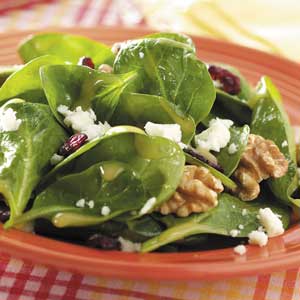
Go as green as possible.  Dark leafy greens are packed full of vitamins, minerals and phytonutrients.  Iron, for example, in spinach, etc helps bring more oxygen to the body and brain improving cognitive control.  Spinach is a powerhouse of goodness packed with antioxidants, containing more than 3 times the folate found in an iceberg lettuce - so a spinach salad is a great way to keep going all afternoon.

Avocados - my favorite go to food.  Full of monounsaturated fats which improve blood flow to the brain, add half to your spinach salad and feel the difference.  Add a handful of raw almonds and a drizzle of olive oil and your'll be working up a storm.  Almonds contain phenylalanine, an amino acid that has the ability to cross the blood/brain barrier where it stimulates the brain into generating natural mood-boosting neurotransmitters called dopamine, adrenaline and noradrenaline.

Enjoy your salad with any meat, fish or poultry of your choice.  I do not recommend mixing carbs with protein as the body does not digest this mix well, so forget potatoes, rice, pasta or bread and fill up on vegetables.

DINNER:
Make dinner light.  A lightly grilled piece of salmon with steamed broccoli will do wonders!

Salmon is packed full of Omega-3s, protein, iron and B-vitamins - you can't go wrong with this amazing brain food.

Broccoli is a major source of vitamin K which enhances cognitive function and enhances brain function.

If you prefer a vegetable dish you can make ratatouille - eggplant or aubergine as it is known in Europe, improves the communication between your braincells and messenger molecules - just remember that this vegetable counts as a carb so don't mix with protein.

I can help you improve your health.  If you would like to make an appointment with me either in person or via Skype, just send me an email to lucycarr@socialnutrition.com

Thursday, 10 September 2015

How on earth do I quit eating junk food?

A friend of mine asked me this question this morning, so I decided to talk about this on my post this week.

The first answer to this question that springs to mind is simply that the Fast Food Industry DOESN'T WANT YOU TO!

However, I believe there is a different answer to that one...

There are strategies...  Mindfulness has a lot to do with it, good habits over bad and of course... willpower (in some cases).

Lots of people say, "I have no willpower!"  Well, that just isn't true.  When you want something badly enough you have all the will power in the world.

What to do when you want to make a major change in your life, be it giving up smoking, junk food or some other unhealthy habit:

Step 1:  Sit down with a piece of paper and a pen and preferably in silence when no one is going to interrupt you.  Ask yourself a series of questions.  The first and most important one is:
Have you ever given up a major habit before, such as smoking?
If you have then you have to believe that if you can give up smoking you can certainly give up junk
food.

Ask your self WHY you want to stop eating junk food?  Do you want to give up to improve your diet?  To lose weight?  To improve your health?  Do you want to be a good example for your children?

Here are some thoughts to consider.  Most people know by now that junk food isn't healthy.  So you would be wise to start looking at junk food for what it is.

Junk food isn't food.  Junk food is processed leftover food stuffs that weren't good enough for "proper" food.  This is churned up and mixed with huge amounts of salt and sugar to make it taste good and last longer on the supermarket shelf or in the restaurant store room.

For example; McDonald's fries have a staggering 14 ingredients!  Yes!  And let's not forget the pink slime scandal which they "say" has been removed from burgers.

There have been "tests" by people who have bought a Happy Meal from McDonald's and left it untouched on a shelf for a year to see what would happen... the results were astounding... the meal looked exactly the same as when bought - just dried out... no mould... no foul smell...

So just think what that must be doing to your body on a regular basis.  Junk food is so unhealthy it can even re-wire your brain, eating junk food on a regular basis can literally kill off your desire to eat a healthy diet.

This is what makes it so difficult to give up.  But all is not lost, you can train your brain to prefer a healthy diet.

You are not in control of your diet.  Food manufacturers are.  The huge food manufacturers are in it for the profits.  They will put anything in their food to get you hooked and keep you coming back for more.  Sugar and Salt are major players as they not only make food more palatable but they also extend it's shelf life in the supermarket.  Sugar and salt get you hooked on the taste and that registers in the brain and the next time you see your favorite packet of cookies in the supermarket your brain will send you a message saying:
Remember those?  Remember how good they were?
And bam!  Next thing you know your at the check out with the packet in your basket.

We are all bombarded on a daily basis with advertisements for processed foods and junk food.  This is why it's far easier to stay off the cigarettes once you quit... there's no advertising for cigarettes.

Step 2: Plan healthy meals.  Plan and cook healthy meals from scratch.  And, when you eat them, think about all the great things that meal is doing for your body and mind.  How the ingredients will help you to be healthy, how they will repair damaged areas, how they will give you energy and feed brain cells.... be CONSCIOUS of what you are putting into your mouth.

Sugar is addictive and produces the same response in the brain as cocaine... Salt, well I don't know about it being addictive but we sure get used to the taste and the amount of salt in foods... Just try cooking dinner one evening and not adding any salt, things will certainly be bland.  However, we aren't born liking salt, it gets introduced to us from about 6 months on and then it just grows and grows...  However, if you reduce the amount of salt in meals gradually, your taste buds will adjust to the new levels of salt and you will need less.

Step 3:  Think before you shop before you eat.  Be mindful of what you are doing.  Plan meals ahead, go to the supermarket with a shopping list and do not stray from that list.  When you sit down to eat, look at the food in front of you and ask yourself; do I WANT to eat this?  Is it GOOD for me?  Will it NOURISH me?  If you can't answer yes to these three questions, then don't eat it.

Step 4:  You can either decide to quit and never go near a fast food restaurant ever again, or you can
decide that that type of meal should be a "treat", something sporadic that is not the norm.  That way it may be easier to abstain knowing that you are allowed to "indulge" every now and again - say once a month.

I have given up several things in life.  I gave up cigarettes, I gave up soft drinks, I gave up sugar in tea and coffee and then aspartame in tea and coffee.  It is possible to give up anything you choose.  However, you have to be convinced that that is what you want to do and what your reasons for doing it are.

To me it is simple.  If your health is or will be compromised by your habits then you need to change them.  To keep your health or even to improve it then willpower is the least of your problems.

Now, YOU have to be convinced.  You will not succeed if you are doing it because your husband, wife, mother, father, boyfriend, girlfriend says that is what you should do.  Do it for YOU, so you will live a long and healthy life to enjoy with your loved ones.

Only YOU are in control of what and how much you eat.

I can help you improve your health.  If you would like to make an appointment with me either in person or via Skype, just send me an email to lucycarr@socialnutrition.com
Thursday, 3 September 2015

Closed for the holidays... back next week!


Hi everybody, I have taken a few days off before going to the European Society for Clinical Nutrition and Metabolism in Lisbon at the weekend.

I will be back with a new post next week!  Enjoy and keep healthy!

I can help you improve your health.  If you would like to make an appointment with me either in person or via Skype, just send me an email to lucycarr@socialnutrition.com

Thursday, 27 August 2015

A "cure" for obesity?

Obesity is one of the biggest problems in society today.  It affects more than 500 MILLION people worldwide and is threatening to bankrupt most public health services.  Obesity isn't just a FAT problem, it also increments the risk of type 2 diabetes, heart disease and cancer.

Most people see an obese person and think that they over eat and don't exercise enough and, in some cases they would be right.  However, not all obese people suffer from being lazy and lie around eating everything and anything they can get their hands on.  Throughout the decades when scientists have compared the diet of an obese person to that of a lean person, there weren't many differences - in what or how much they were eating.  In fact the one BIG unresolved question is why do some people get fatter than others when eating and moving the same?

Yes there are cases of hyperthyroidism where people with an overactive thyroid tend to be thinner and burn all they eat, or the contrary where hypothyroidism means a slow working thyroid gland that means a person gains weight.  Both conditions are a problem and have other health problems associated.

But there are people who are healthy but have a tendency to put on weight with frightening ease.

Back in 2007 the FTO gene was discovered.
Fat mass and obesity-associated protein also known as alpha-ketoglutarate-dependent dioxygenase FTO is an enzyme that in humans is encoded by the FTO gene located on chromosome 16 - certain variants of the FTO gene appear to be correlated with obesity in humans. (Wikipedia)
The discovery of this gene challenges the notion that people get obese out of choice because they

choose to eat too much and not exercise.  However, it's not all as clear as it seems, the FTO gene was discovered in 44% of Europeans but only 5% of blacks, meaning that other genes are clearly at work and food and exercise ALSO play an important part in maintaining a healthy weight.

Fortunately scientists have identified a "switch" to turn off the FTO gene.  Harvard and MIT researchers managed to block the gene's effect in mice and found that the mice became 50% leaner than other mice even though they were eating a high-fat diet.  Those mice also burned more energy while sleeping.  The same experiment on human cells found that energy burning in fat cells was increased resulting in less fat being stored.

However, Manolis Kellis a professor at MIT stressed that the FTO gene does not automatically make a person obese, it just made it more likely.  The researchers went on to say that they did not know how long it would take to develop an effective treatment for obesity and also said that they doubted there would ever be a pill that would let people eat whatever they wanted and not gain weight.

Also, any drug would need rigorous testing as it would likely have a knock-on effect on other areas of the body.  However, this is big news with a lot of potential for helping the obesity epidemic.

I can help you improve your health.  If you would like to make an appointment with me either in person or via Skype, just send me an email to lucycarr@socialnutrition.com

Thursday, 20 August 2015

Lose weight the delicious way...

That ominous word... DIET... instantly conjures up mental images of grilled chicken breast with lettuce and... not much else.

If you read this blog regularly you'll know by now that I am not a chicken and lettuce believer, in fact here are 18 FAT BURNING FOODS that are deliciously full of healthful nutrients that will not only help you lose weight, but you'll love every moment of your "diet".

In my opinion foods with a label aren't foods at all.  On the whole we eat way to many foods that are so refined their nutritional content is severely lacking.  Nutrient dense foods will supply you  with everything you need and keep you feeling fuller for longer, helping to beat those pesky cravings and making your diet much more successful.

So, polish off your knife and fork and unlock the kitchen, it's time to EAT!

1.  Coconut.  Love coconut!  Packed full of healthy fats in the form of medium chain fatty acids (MCFAs) which are broken down by the body and used for energy production, effectively kickstarting your metabolism.  You can use coconut oil for cooking, it supports higher temperatures and you need a lot less than other oils.   Raw coconut as a snack between meals is also great especially if you are on the go.

2.  Green Leafy Vegetables.  Packed with vitamin A and C as well as calcium, green leafy vegetables are a great way of reducing oxidative stress in the body.  Eating green leafy vegetables reduces stress hormones in the body so they don't get stored as belly fat.

3.  Avocado.  My all time favorite.  You must get avocado in your life.  Bursting with healthy fats and fiber, avocados boost your metabolism and accelerates the conversion of fat into energy.  They also fill you up for a long time.  I quite often recommend avocados for breakfast for hungry people who say that fruit just doesn't do it for them in the mornings.  Avocado really hits the spot providing energy and filling you up.

4.  Fish.  Especially oily fish such as wild salmon, mackerel, tuna, etc...  Packed with Omega-3 which is really good for your brain, fish also have a positive effect on Leptin.  This hormone regulates fat storage, so eating fish which has a positive effect on Leptin will keep you in control of your weight.

5.  Lean organic meats.  Animal protein is an important component of a healthy diet, it helps repair damaged areas of the body and provides essential amino acids.  It also has a thermogenic effect which means it makes your body burn more calories to digest it (remember my post about Negative Calorie Foods?)

6.  Green Tea.  Not so filling I'm afraid but green tea contains catechins.  These are a type of phytochemical that has an effect on metabolism which then promotes fat oxidation and thermogenesis, as it degrades norepinephrine, the fat burning hormone.

7.  Cinnamon.  Swirl your green tea with a stick of cinnamon.  Cinnamon regulates blood sugar levels which in turn will reduce your cravings and stop you feeling sluggish mid afternoon.

8.  Chillies and Peppers.  Another negative calorie source.  Capsaicin is a compound found in chillies and peppers which helps protein structures in the body to break down fat.  The hotter the better, just be careful!

9.  Grapefruit.  This is one you need to be "wary" of in some cases.  Grapefruits have been found to lower insulin levels in the body which stops you from storing more fat.  Just be careful as grapefruits can stop the proper absorption of certain medicines.

10.  Tomatoes.  Deliciously ripe and bright red they are packed with vitamin C an lycopene, a brilliant antioxidant which helps the oxidation process.  Don't peel them as the lycopene is found just beneath the skin.

11.  Eggs.  Supreme quality protein, forget about all the high cholesterol bad press they've had for years - dietary cholesterol does very little to effect cholesterol levels in the body.  The protein in eggs will keep you feeling fuller, so an omelette for breakfast is a great way to get up and go!

12.  Flaxseeds.  As with oily fish, flaxseeds are packed full of Omega-3 fatty acids.  They attract toxins in the fat deposits of the body and help with their elimination.

13.  Nuts.  Glorious nuts.  High calorie but very healthful.  Raw nuts are very nutritious and are a great source of magnesium which helps boost your mood.  Nuts help control weight, reduce heart disease and also diabetes.  A study found that people who ate a handful of nuts 3-5 times a week, lived longer than those who didn't.

14.  Broccoli.  Another one of my favorites.  Lightly steamed and drizzled with a little melted butter... yum!  Packed with fiber, sulforaphane and calcium, this is a superfood.  Eat as much as you want, there is nothing bad to be said for broccoli.

15.  Quinoa.  I have re-discovered this recently.  I tried it once years ago and was not impressed, but recently I found the most amazing salad recipe using quinoa as a base and I have been converted.  Gluten free, quinoa is packed with lots of vitamins and also has a lo GI score so your glucose levels will remain stable.

16.  Lentils.  High in fiber which stops your glucose levels taking a nose dive, they will also keep hunger at bay.  They are also high in iron, but you will need to eat them with tomato to better absorb the iron content.

17.  Bananas.  The starch found in bananas turns into a fatty acid in the gut which metabolizes fats and helps decrease obesity.  They are also high in potassium and tryptophan so can help with depression.

18.  Spices.  Variety is the spice of life, but spicing up your food can help your waistline.  Cayenne is a hot spice but it helps lower blood glucose levels and reduces the risk of excess insulin storing fat.  Turmeric is the highest known sources of betacarotene which is a powerful antioxidant and protects the liver from free radical damage.

So, there you have it.  Now you can get on with eating your way to the body you've always wanted.

I can help you improve your health.  If you would like to make an appointment with me either in person or via Skype, just send me an email to lucycarr@socialnutrition.com

Thursday, 13 August 2015

Feeding the menopause

This week I have received a special request from a dear, and very talented friend of mine; María José Sesma (if you don't know her you really should check her out, she's incredible!).  MaryJo has asked me to help with nutrition during the menopause, so for all of you facing this new time in life, here are some suggestions I hope will help you through.

The menopause is a highly challenging time of life as it brings many changes with it, and not many of them are welcomed.  Common symptoms include hot flushes, sweating, insomnia, anxiety, impairment of memory, fatigue, fluctuating emotions and weight gain.  There can also be long term consequences which include a decrease in libido, osteoporosis, heart disease and even dementia which are all linked to a reduction in estrogen levels.

The menopause is an unavoidable stage in life which can be a relief for many and a horror for others.  A woman's ovaries stop releasing eggs at some time in her early 50s, and because of this her menstrual cycle will stop.  All the physiological changes she will begin to experiment are largely due to the decrease in estrogen production and the effect this has on other hormones.  Estrogen helps to lift a woman's mood so, when levels drop, she may feel depressed.

Hormone Replacement Therapy (HRT) is available, but some women prefer to try natural remedies or both!  One certainly doesn't interfere with the other so here are some of the natural remedies you might like to consider.

Fatigue:
Avoid foods high in sugar and simple carbohydrates, these cause sharp increases in blood sugar levels but are followed by a sharp dip which can leave you feeling even more tired than you were before.  A better option would be fresh fruit (not juice) or raw nuts.

Hot Flushes:
This is probably one of the worst effects of the menopause.  They pounce when you least expect it and usually when you have just done yourself up for an evening out and the sweat leaves you with your mascara half way down your cheeks and unsightly sweat marks on your smart clothes!  No fun at all...  Stop eating foods that are likely to set off or worsen hot flushes and night sweats such as spicy foods, and other stimulating foods such as coffee, alcohol and chocolate.

Dry Skin:
This is a side effect of the decline in hormones, up your intake of legumes, nuts and seeds such as sunflower, pumpkin and almonds which contain vitamin E, zinc and calcium.  These highly nutritious foods also contain oils which help prevent dry skin and normalize hormone levels.

Depression and Irritability:
Here tryptophan is your friend.  Tryptophan is an essential amino acid which is a precursor to serotonin - the happy hormone.  Serotonin helps moods and may even control sleep regulation and appetite.  Tryptophan rich foods are:
  • Seeds and Nuts
  • Soy Foods - but make sure they are FERMENTED soy foods
  • Cheese
  • Lamb, beef, pork and game
  • Chicken and Turkey
  • Fish
  • Shellfish
  • Oat Bran and Oats
  • Beans and Lentils
  • Eggs
There are tryptophan supplements available on the market, however, it would be convenient to carry out a specific blood test to check your amino acid levels before supplementing.

Also, you would be wise to not skip a meal, this way you will keep your blood sugar levels balanced which also contributes to less emotional imbalances.

Anxiety:
Many women find themselves suffering from anxiety when they reach menopause without any apparent reason.  Here you may find it helps to increase your intake of cashew nuts, almonds, cranberries, acai berries and maca root.

Bone Health:
Menopause is a great time for osteoporosis to strike so you really need to be conscious of getting enough calcium.  Now, I am definitely not one to recommend dairy produce in large quantities as it can be counter-productive as far as bone health goes.  Certain foods produce acidity in the body which means the body releases calcium from the bones to lower the acidity level in the body.  So,  you need to increase your intake of alkaline foods such as vegetables (especially green leafy vegetables and broccoli), fruits, seeds, nuts and yogurts.  Also eat foods that are high in magnesium and boron, these are minerals are important for the replacement of bone and therefore help to lower the risk of osteoporosis, such as; apples, pears, grapes, dates and raisins, legumes and nuts.  You may also like to consider a calcium supplement but make sure it also contains magnesium, vitamin E, D and zinc.  It is also very important to exercise as much as possible, especially weight-bearing exercises; walk, run, skip, jump, dance, lift weights...

A big NO NO for bone health is drinking too much caffeine and smoking and you should reduce your intake of sodium and animal protein.  We eat far too much animal protein, you really only need a piece the size of your palm without the fingers and the same thickness as your palm and not at every meal.  So up your intake of veggies and reduce your animal protein intake.

Other helpers:
However, there are other things you may find helpful, supplementing with Evening Primrose Oil is said to relieve the hot flushes and other symptoms of the menopause - several women I know swear by it.  Yoga... yoga is good for just about everything but the exercise and muscle strengthening it provides are brilliant and the health benefits of meditation are second to none.

I hope this is of help!

I can help you improve your health.  If you would like to make an appointment with me either in person or via Skype, just send me an email to lucycarr@socialnutrition.com