Showing posts with label alcohol. Show all posts

Thursday, 15 December 2016

Christmas = FOOD

We all know that Christmas means way more food to tempt us than we would normally have on offer.  For some this is not a problem.  For others it is one HUGE problem.  There are people who find themselves in the middle of a weight loss regime with Christmas fast approaching.  So how can you get through Christmas with as little side effects as possible?


Relax.

For starters, it's Christmas.  It is the time of year where family and friends get together and you may not have seen each other for a while.  Lunch, dinner or drinks - or all, are the perfect excuse for a get together.  So, stop stressing and ENJOY.  If you keep a level head, you can limit the potential damage.  It is much better for you to give yourself permission to enjoy yourself than to over indulge and then feel guilty afterwards.  People who stress about how much they've eaten or are going to eat, or try to limit the amount of calories they are going to eat, do not actually end up eating fewer calories.  So you may as well relax about it and do not obsess.

Get organized.

There is nothing worse than eating far too much turkey and roast potatoes thinking you can skip dessert, only to find that your host has prepared your all time favorite sweet.  If you are not organizing the meal, ask your host; "Hey!  What's for dinner?  Can I bring something?" This is a polite way of getting all the information you need to make wise food choices.

I love desserts, and they are something that on the whole I tend to stay way away from.  But, if I am eating out and I really want that dessert, then I limit the other food in order to enjoy the dessert.

If you are faced with a large buffet, take a while to look at everything that is on offer.  I do a "walk around", and have a look at everything from the starters to the mains to the desserts.  Then I go back to the beginning and pick what I really want to eat instead or just piling my plate with a little of everything.

Follow a certain order.

You might have been saving yourself all day so you can really enjoy your family dinner.  But you don't want to go too far and end up feeling like you ate the whole dinner yourself.  There are 3 important things you need to keep in mind:

1.  Carbs make you fat.
2.  Protein makes you feel fuller for longer.
3.  Vegetables give you necessary vitamins and minerals and stop your system getting blocked from all the excess food.

So, start your meal by eating protein (turkey) and vegetables.  This will take the edge off your hunger and you will probably eat less roast potatoes and dessert.

Be Mindful.

Listen to your body.  It takes roughly 20 minutes for the message from your gut to reach your brain that you are full.   So, eat slowly, take a break between courses.  Most of these lunches and dinners can be leisurely so take advantage of that and put your knife and fork down while catching up with your cousin who you haven't seen for 10 years!

Once you are full, stop eating.  There is no fun in feeling like you are about to explode and you will regret it and you will feel guilty.

Using smaller plates also stops you eating too much and use a smaller wine glass too.  Also, pre dinner drinks is a great way to lose the plot.  If you've had a drink or two before dinner, then your inhibitions will be lower and you won't "care" as much about how much you eat.  However, you may well regret it afterwards.  Drink alcohol once you have started eating.

Keep moving.

Don't give up on your normal exercise regime.  Lounging in front of the TV is not a good way to keep your food control in check.  Carry on as normal, or, if you don't have a habitual exercise regime, then now is the time to get one going.  Exercise is extremely important for optimal health and should be a part of every day life - all year round.  So get into a good habit and then carry on with it.  This will help good digestion too.

I can help you improve your health.  If you would like to make an appointment with me either in person or via Skype, just send me an email to lucycarr@socialnutrition.com

Thursday, 6 February 2014

Look after your liver

I read an alarming article this week about liver disease.  For decades, liver disease was associated with heavy drinkers.  Too much alcohol means that fat becomes deposited in the liver which damages liver cells, but at this stage it's often symptomless.  However, if this process continues over years, the constant repeated damage to the liver cells can lead to scar tissue - severe scarring is known as liver cirrhosis.  This scar tissue makes the liver hard and lumpy and as a result it becomes unable to function properly.

New information has arisen that says that a fatty liver does not necessarily happen only due to heavy drinking, but also has a lot to do with over eating.  Being overweight encourages the progression of liver disease, as high levels of visceral fat becomes stored around the organs.  Visceral fat releases fatty acids and other inflammatory substances that further damage the liver cells, according to Professor Massimo Pinzani, a liver specialist and director of the Institute for Liver and Digestive Health at University College London.

One of the biggest problems is that liver disease is difficult to spot before it is at an advanced stage.  Andrew Langford, chief executive of the British Liver Trust explains;
"There are very few symptoms.  The liver doesn't have any nerve endings - so when it's damaged, you don't always feel it."
The first signs of a problem are:

  • Extreme fatigue
  • Dark urine
  • Pale stools
  • Jaundice - this is caused by a build-up of the waste product bilirubin, which the malfunctioning liver can no longer remove.
"If someone says 'Oh you look well, have you been on holiday?' and you haven't, it could be that you've got a very mild form of jaundice," says Mr. Langford.
Other complications of the advanced stages of the disease are episodes of confusion, memory loss and even hallucinations.  This has a clinical name of hepatic encephalopathy and is due to the build-up of toxins in the body that affect the brain, this can often cause a dementia type state.

Liver disease is the fifth biggest killer in the UK, and the number of deaths has soared by 25% in the last decade - in part because of heavy drinking, but also due to our expanding waistlines.  Not only is liver disease killing more of us, but it is doing so more quickly.  The average age of someone dying from liver disease is now 57, but just two years ago it was 59, and in the mid-eighties it was 63.

With two-thirds of Britons officially overweight, and 30% classed as obese, Dr Jude Oben, a liver expert at the Royal Free Hospital and St. Thomas' Hospital in London says:
"Over-eating and being overweight are by far the most significant risk factors for liver diseases now."
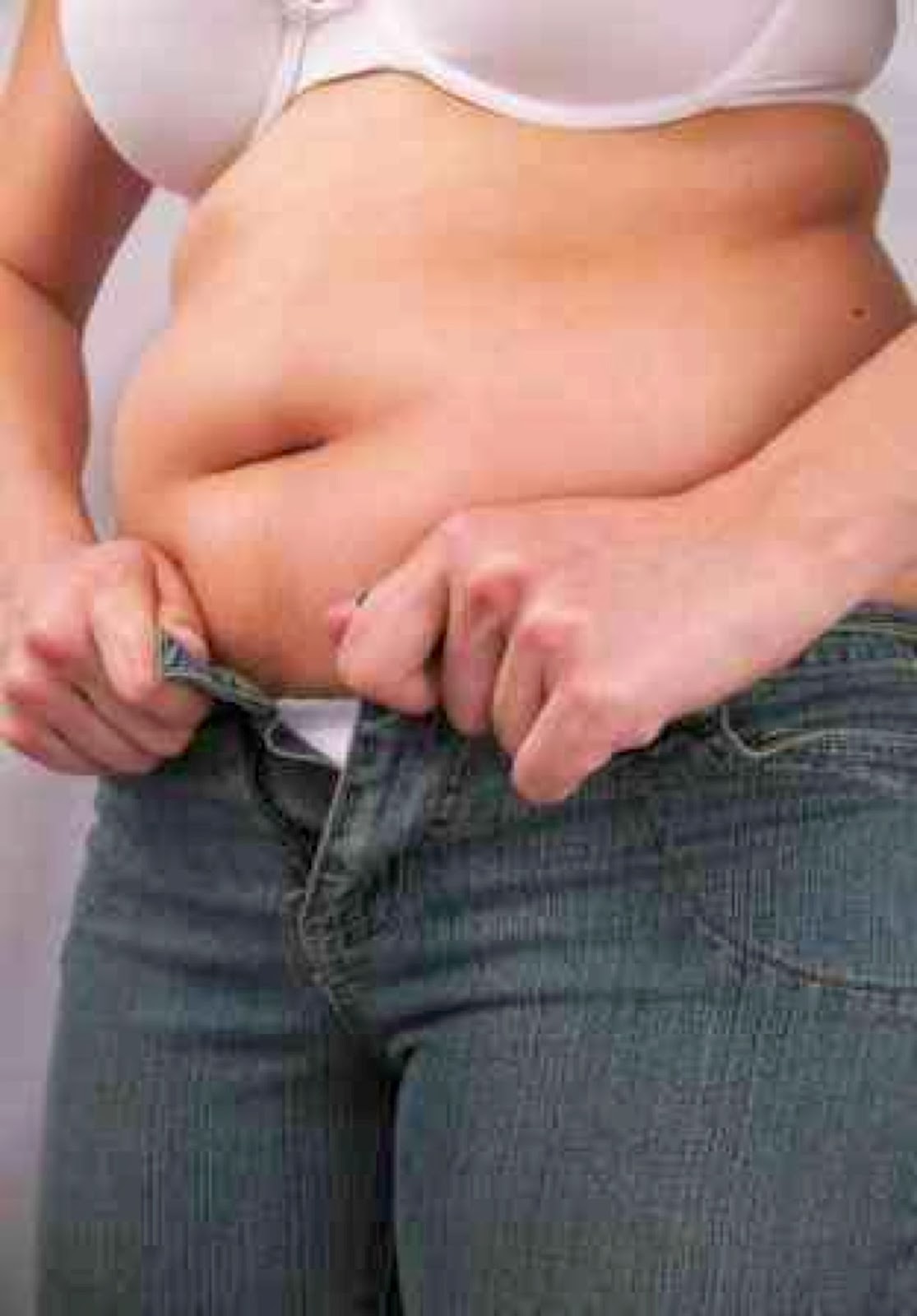
Dr Oben, who helped found the charity Obesity Action Campaign, thinks non-alcoholic fatty liver, as the condition is known where the patient is not a drinker, should be re-labelled as obesity-induced liver disease.  However, the truth is that you don't need to be obese to suffer from non-alcoholic fatty liver.  Professor Pinzani warns that anyone with a BMI over 25 is at risk of developing fatty liver disease.  One strong indicator of the risk is your waist circumference because this can more accurately reflect how much fat is stored around your organs.  Measuring around your belly button, anything above 80cms for a woman and 94cms for a man is a cause for concern, says Dr. Oben.

Liver disease also has a strong link to cancer;
"A significant percentage of patients with cirrhosis will develop liver cancer," says Professor Pinzani.  This could be as many as 45 out of 100 patients.
However, there is another cause of cirrhosis which is also diet related and has nothing to do with being obese or alcohol.  Lots of people have too much iron in their body, and not many people know about it - even lots of doctors don't include it in standard blood tests.

Iron is essential to good health in the human body, but too much can have the opposite effect.  Hemochromatosis is more common in men than in women.  Women, during their fertile years, use up their iron reserves every month during menstruation.  Men obviously don't.  Women can develop hemochromatosis after menopause when their menstrual cycle has stopped.  The build up of iron in the body means that the protein Ferritin, stores the iron where it can, usually around the soft organs such as the liver, for future use.  However, depending on your diet and your lifestyle, you may not use up those stores and more is being constantly added.  These iron deposits can oxidize and cause damage to the liver and other organs.  Particularly, it can cause cirrhosis of the liver, you may have heard of a young man dying from cirrhosis at the age of 35 and how people comment that he "never drank".

I say this is diet related because lots of the foods we eat contain iron: red meat, egg yolks, green leafy vegetables such as spinach, broccoli,  sea food, iron enriched cereals, turkey giblets, chicken livers, dried fruits, etc.

The good news is that the problem is easy to detect.  The next time you go for a check-up and have a blood test, ask them to check your ferritin levels too.  If they are high, then you need to watch what you are eating, cut out as much iron as possible from your diet (only if you have high levels of ferritin), for a period of time and then get another test done to see if the ferritin level as come down.  If not, the easy solution is to donate blood once a month, that will kick start your body into using up it's deposits.

So, I encourage you - as always, to eat healthily, watch your weight, take regular exercise and get a yearly blood test, just to keep an eye on things.

Social Nutrition:  You can make an appointment to improve your health with Social Nutrition either in person (Madrid) or online (Skype).  Just send an email to lucycarr@socialnutrition.com
Thursday, 12 December 2013

How to survive the holiday season, be healthy and still have fun...

Lots of people both love and hate the holiday season.  It's that time of year when invitations to parties are rife, alcohol flows, your mother spends all the time in the kitchen cooking decadent dishes and exercise is limited due to all the social obligations.  Lots of my patients look upon this time of year with terror, after several months or even a year of making dietary changes and losing weight or getting their digestive systems in tip top working order I get comments like:

"You have no idea how much food my mother produces!"

"I have loads of business functions to attend and it's all buffets and canapés - there's no way I am going to be able to resist!"

"I can't not drink!  My mates won't understand!"

These are just three of the many I get, but you understand.  So here are a few tips for surviving the buffet table, over eating, alcohol and the dreaded hang over!  I'm afraid that I don't have much of an answer for your mother's cooking!
  1. Don't shop too far in advance.  Lots of shops have special offers on at this time of year, especially, it seems on chocolate and biscuits.  Don't think your being clever buying them in advance, if they're in the cupboard, you will eat them and then you'll have to buy them all over again for when your family and/or guests arrive.  Leave that to the last minute, in the meantime fill your kitchen with healthy snacks.  If you look after yourself in the run up to the holidays, any "damage" you do will be less.
  2. Change your mind set.  Think positively and remember that at any other time of year, if you had a party to attend you would cut back and be strict with your diet for a day or two before the party and then a day or two afterwards.  Do the same here, be good to yourself in the run up, eat lots of fruit and raw vegetables, a little bit of fish or meat and hold the dessert.  Then remember that lunch on the 25th is basically turkey with vegetables.  If you really want to look after yourself
    follow this basic rule:
    • Don't mix your carbs and proteins.  By all means eat the turkey and the vegetables but don't have the potatoes or bread sauce!  After a protein meal, let at least 2 hours go by before you eat carbs - so you can always have your dessert a couple of hours later.  Believe me, with all the friends and family around and present opening, those two hours will fly by!  
  3. Be intelligent about left overs and gifts of food.  Quite often people will bring you food as presents when you invite them to your house.  More chocolate biscuits, mince pies, stollen, etc.. This means that you will have even more food left over.  So what to do with the leftovers?  Keep the meat and vegetable leftovers, give away the rest.  You are sure to be invited to someone else's house so take things with you too!  Or you can donate them to charity to help cheer up someone else's holiday season.
  4. Buffet strategy.  A buffet table is everyone who is trying to look after themselves' nightmare.  All that delicious looking food begging to be eaten!  So, how to get through the buffet and not eat too much?  Use a dessert plate, not a large dinner plate, fill it once and then sit away from the buffet table so you aren't tempted to go back for more!  Also avoid beige food.  Beige food tends to be fried, covered in breadcrumbs or pastry and therefore a very unhealthy choice.  Go for the more colorful foods which are more likely to be fruit or vegetable based.
  5. Are you going to a party where there will be lots of alcohol?  There is nothing wrong with a few drinks every now and again and obviously the holiday season is rife with alcohol; eggnog, hot wine, champagne, wine with every meal, party cocktails... so here is what you can do to make sure you navigate the party circuit in the best possible way:
    • Never drink on an empty stomach - plain yogurt with a banana is an excellent stomach liner prior to going out partying.
    • Limit fizzy alcoholic drinks - it's true they really do go straight to your head.  The bubbles speed up your absorption of alcohol, so limit the number of glasses of sparkling wine, fizzy cocktails and champagne.
    • Avoid a nightcap - darker drinks, especially spirits like brandy or whisky have higher levels of compounds called congeners, these are formed during the fermentation and distilling process.  It is thought that these compounds make your hangover worse - so if you really can't avoid that nightcap, try a white spirit instead.
    • Drink plenty of water - hangovers are mainly a hydration problem, so drink lots of water before going to bed.
  6. The next day... if you are hungover, the best way to recover is:
    • DO NOT succumb to the old belief of "hair of the dog", more alcohol is really not the answer!
    • Drink coconut water; it's great hydrating properties will work wonders - or you can make your own hydrating drink; just mix a tablespoon of sugar and a teaspoon of salt in a pint of water and sip throughout the morning.
    • Limit your caffeine intake.  Too much caffeine will only aggravate your already flagging hydration levels - so just have one cup of coffee until your are feeling normal again.
    • Eat!  Have a nice simple breakfast; brown toast with a poached egg, grilled tomatoes and
      mushrooms and a glass of orange juice will have you back on track in no time!
    • Avoid painkillers such as aspirin and ibuprofen.  They may take your headache away but they will irritate your upset stomach.
    • Resist your cravings - quite often your body cries out for fast food, doughnuts and sugar, sugar, sugar!  Don't give in!  Sugary drinks and foods will only add to your already unbalanced blood sugar levels.  Eat fresh fruit instead or have a smoothie made from fruit and yogurt.
  7. Exercise.  Go for a brisk walk after lunch, it will help with digestion.
I wish you all a happy and healthy holiday season!


Social Nutrition:
You can make an appointment to improve your health with Social Nutrition either in person (Madrid) or online (Skype).  Just send an email to lucycarr@socialnutrition.com

Thursday, 3 October 2013

How food can give you a good night's sleep... or not

Back in March I wrote a post on the need for sleep.  Sleep is essential to good health, both mentally and physically.  So, if you are having problems getting to sleep at night here are a few tips on what to eat and what not to eat.

There are several foods that will promote good sleep, relax tense muscles, quieten an overactive brain and promote the sleep-inducing hormones serotonin and melatonin.


  1. Honey - try a relaxing herbal tea with a drizzle of honey.  Too much sugar is stimulating, however a little glucose sends a message to your brain to turn off a recently discovered neurotransmitter called orexin which is linked to alertness.  The natural sugar in honey promotes relaxation and raises insulin slightly which allows the amino acid tryptophan (precursor to Serotonin) to enter the brain more easily.  Just a small spoonful before bed can help you get a good night's sleep.
  2. Cherries - Eat fresh, dried or tart cherries about an hour before going to bed or before taking a
    flight that you want to sleep on.  Cherries are one of the few natural sources of melatonin.  Melatonin is a chemical that controls the body's internal clock and helps regulate sleep.  It is also currently being studied for its anti-aging properties.  If you don't like cherries then you're in luck, melatonin is now available from health shops and pharmacies in tablet form.  My advice is to start with the lowest dose you can find, take a tablet an hour before bed and then make sure your room is dark and the TV isn't on!  The reason I say to start with the lowest dose is that I have only found ONE side effect so far... two people I know who have tried it have told me that after 2-3 days of taking melatonin in tablet form they became very bad tempered!
  3. Flaxseeds - My husband often accuses me of being on "spin cycle" when I have a problem that is going round and round my head and stopping me sleeping.  Flaxseeds are full of omega-3 fatty acids which is also a natural mood lifter.  Fatty acids, in general, are involved in inducing and maintaining sleep so a spoonful of flaxseed in a yogurt or mixed with a bowl of healthy cereal before bed can help you on your way to the land of nod.  Also the fibre is great for your gut!
  4. Almonds - I am a total fan of raw almonds.  They are packed full of wonderful things such as Vitamin E and calcium, the good thing is they also contain tryptophan, a precursor to serotonin and a healthy amount of magnesium that relaxes muscles.  They also supply proteins that will help you to maintain a stable blood sugar level while you sleep and they switch off your alert mode and put you into a rest cycle.  Just a handful of raw almonds will be enough to help your body relax.
  5. Bananas - As you probably already know, bananas are a great source of magnesium and potassium which are both natural muscle relaxants.  They also contain the amino acid L-tryptophan, which in turns is converted into 5-HTP in the brain, this is then converted to serotonin and melatonin - an all round winner!
Now, for the bad news.  There are also several foods out there that do the complete opposite of the above mentioned 5.  There are, of course, foods that stop you getting a good night's sleep.  I have to say, they are pretty obvious:

  1. Coffee - well we all know that anything with caffeine in it is a no no just before bed.  But there are less obvious caffeine fixes other than coffee.  Tea, CocaCola, Pepsi, etc., even decaffeinated coffee still has a certain amount in it.  The best rule to follow is no caffeine after 2pm.
  2. Alcohol -   Lots of people find that a glass of wine before bed or a small nightcap can help them fall asleep quicker.  However, alcohol quite often provokes a restless night's sleep, making the person wake up often during the night, which in the longterm leads to sleep deprivation. 
  3. Dark chocolate -  Now, I'm a chocolate lover!  The good thing about plain 70% cocoa chocolate is that it is packed full of antioxidants - so if you need an excuse to eat chocolate there you have it.  However, it also contains caffeine and a stimulant called theobromine that can increase your heart rate and provoke sleeplessness.  So your best bet is to eat chocolate up to 5 hours before bed.
  4. Spicy Foods - A study published in The International Journal of Psychophysiology by Australian researchers noted that on nights that included spicy meals, there were notable changes in the sleep patterns of the study subjects meaning that they slept less over all, taking longer to fall asleep and spending less time in both the light phase of sleep called Stage 2 and the deep slow-wave Stages 3 and 4.
  5. Fatty Foods - There seems to be a strong connection between the circadian processes of sleep and metabolism relating to the processing of fatty foods such as fried foods, fatty meats and high fat dairy.  Research has shown that people who often eat high-fat foods experience a disruption of their sleep cycles.  Eating a heavy meal before bed activates digestion, which can mean you will have to get up frequently during the night to go to the bathroom.  Leave heavy meals for breakfast and lunchtime and eat a light evening meal.

Social Nutrition:
You can make an appointment to improve your health with Social Nutrition either in person (Madrid) or online (Skype).  Just send an email to lucycarr@socialnutrition.com


Thursday, 27 December 2012

Dare I say Sugar and Heroin in the same sentence?

Well, you all know by now how anti sugar I am.  I've already written two previous posts about sugar and High Fructose Corn Syrup.  As a Nutritionist I can honestly say that there is NOTHING positive to be said for sugar.  Last week I read a book that was first published in 1973 "sugar Blues" by William Dufty.  I have to say even I was shocked at just how poisonous sugar is to the human body.  Now when I say sugar, I mean man-refined sugar.  there are natural sugars in natural foods such as fruit and, to a lesser degree, in vegetables.  These natural sugars, in moderation, are fine for us and our bodies can cope perfectly well with them and they are needed.

Man-refined sugar has not always been a part of the human diet.  None of the ancient books such as: Mosaic Law, the code of Manu, the I Ching, the Yellow Emperor's Classic of Internal Medicine, the New Testament or the Koran mention sugar.  The prophets did tell us a few things about sweet cane in ancient times: "It was a rare luxury, imported from afar and very expensive.  What else they did with it except offer it up as a sacrifice, we can only surmise." (W. Dufty. Sugar Blues).  The Greeks had no word for it.  When Admiral Nearchus in the service of Alexander the Great explored the East Indies in 325 B.C, he described it as "a kind of honey" growing in canes or reeds.  Herodotus called it "manufactured honey" and Pliny called it "honey from the cane".  It was used as a medicine and a Roman writer of Nero's time recorded its latin name saccharum.  I could go on for a very long time about the origins of sugar but one this is blatantly clear if you read the history of sugar - nothing good has ever come from the sugar trade.

With the introduction of sugar into human life, only bad things have happened.  The sugar trade brought many riches to those who were rich and powerful enough to deal in it.  However, it also brought slavery and illness.  Sugar cane grew in tropical climes and when grown elsewhere, slaves were also imported to work the plantations.  Invading armies found it fascinating  but soon found themselves succumbing to illnesses they had never heard of.  When it reached Europe, only the wealthy could afford it (the peasants living off the the land eating whole foods and a little meat and fish every now and again, couldn't afford it and strangely enough didn't succumb to the illnesses rife in the larger cities where sugar was available).  The Portuguese, Spanish and British all did very well, financially that is, from the sugar trade.  Americans soon outdistanced the British in sugar consumption - and almost every other nation too.  The U.S. has consumed one-fifth of the world's production of sugar every year but one since the Civil War (1861-1865).  By 1893, America was consuming more sugar than had been produced in the whole world in 1865.  Sugar consumption has continued to rise consistently - through depression, prosperity, war, peace, drought and flood - nothing, it seems, can stop it.

Only one other plant has kept a parallel trajectory to sugar and that is Opium.  Both began as a medicine; both ended up being used as habit forming sensory pleasures.  The Opium Wars ended with the treaty of Nanking in 1842 and the British insisted in 1858 that Opium imports into China be reinstated.

By this time, chemists had managed to produce refined versions of both Opium (morphine) and sugar.  "Morphine shots became the wonder drug of their time, a cure for all ills, including a new malady that had been discovered in sugar-bingeing nations called Sugar Diabetes.  After the American Civil War, morphine addiction in the U.S. was called the "army disease".  The abuse of morphine in the Union armies of the North was so widespread that thousands of veterans went home hooked on the stuff.  During the Civil War years, soldiers also developed a yen for cans of condensed milk preserved with great quantities of sugar.

"When physicians belatedly discovered the addictive properties of morphine, the chemists went to work again and came up with a further refinement of morphine that was much touted by medical men as a new non-addictive painkiller.  Its multisyllabic chemical name, diacetylmorphine, was soon supplanted by the name of Heroin.  Heroin was hailed in its turn as the miracle wonder drug of its time.  It replaced morphine in the TREATMENT OF SUGAR DIABETES." (W. Dufty, Sugar Blues).

There, I said it.  Sugar and Heroin in the same sentence.  We all know the dangers of Heroin and other hards drugs, but if Heroin was used way back when to treat sugar diabetes - what does that say about SUGAR?

By now (2012), most of the general public should at least be aware that sugar causes:
  • Obesity
  • Diabetes
  • Heart Disease
  • Cancer
  • Low Blood Glucose
The brain is the most sensitive organ in the body.  The difference between feeling up or down, calm or stressed, sane or insane, inspired or depressed depends largely on what we eat.  For the body to work efficiently the amount of glucose in the blood must balance with the amount of oxygen in the blood.  The adrenal glands have the job of maintaining this balance.  When we eat sucrose (man-refined sugar), it is close to being glucose so it largely escapes chemical processing.  The sugar passes directly into the intestines, where it becomes "predigested" glucose.  This is then absorbed into the blood where the glucose level has already been established in precise balance with oxygen.  The glucose level in the blood increases drastically, the balance is destroyed and the body goes into crisis mode.

So how does the body cope with the crisis?  The brain registers it first and hormones are released from the Adrenals, Insulin from the Pancreas works specifically to hold down the blood glucose levels in direct antagonism to the adrenal hormones which are trying to keep the glucose level up.  As a result of the emergency response to the crisis, it all goes too far.  The blood glucose level drops drastically, the pancreas producing insulin shuts down and other adrenal hormones kick in to bring the glucose level back up to normal.

All this has a direct effect on how we feel while this is happening.  While glucose is being absorbed into the blood we feel great - on top of the world!  However, when the blood glucose level falls drastically we feel tired, vulnerable, irritable, nervous and jumpy until our glucose level returns to normal.  So, if to combat the "blues" you eat more chocolate the whole process starts all over again.  After years of such abuse , the end result is damaged adrenals.  This results in "sugar blues"; day to day efficiency lags, constant fatigue and you never seem to get anything done.

The late endocrinologist Dr. John W. Tintera, was very emphatic when he said: "It is quite possible to improve your disposition, increase your efficiency, and change your personality for the better.  The way to do it is to avoid cane and beet sugar in all forms and guises."

In the 1940s Tintera rediscovered the vital importance of the endocrine system especially the adrenal glands.  The adrenal glands, damaged from the constant whiplash caused by the consumption of sugar, were producing a state of mental confusion or "brain boggling".  His patients' symptoms for mental confusion were incredibly similar to other patients who were unable to handle sugar: fatigue, nervousness, depression, apprehension, craving for sweets, inability to handle alcohol, lack of concentration, allergies and low blood pressure - the sugar blues!

He announced that many psychiatrically treated patients just needed to undergo a glucose tolerance test, if they couldn't handle sugar - remove it from their diet and they would be cured.  "Nobody but nobody should ever be allowed to begin what is called psychiatric treatment any place, anywhere, unless and until they have had a glucose tolerance test to discover if they can handle sugar."

This all means that to the already substantial list of health problems created by sugar, you should add:
  • Depression
  • Fatigue
  • Nervousness
  • Apprehension
  • Cravings for sweets
  • Irritability
  • Inability to handle alcohol
  • Lack of concentration
As with most things, there are people who handle things like sugar or alcohol worse than others.

Sugar has become such a part of our lives that we hardly even notice it.  All thanks to the riches from the sugar trade and huge efforts in political lobbying.  Just because it is such an ingrained part of our lives does not mean you have to consume it.  Life without sugar is possible and has a long list of benefits.  Understanding the poisonous side to it is just the beginning which I hope will lead you to a sugar-free, healthful life.