Showing posts with label glucose. Show all posts

Thursday, 16 February 2017

Fructose, friend or foe?

Fructose, otherwise known as the sugar found in fruit, it's in honey and is sweeter than sucrose.  It is used in many foodstuffs and in medicine, mainly in a solution form as an intravenous "nutrient".

Lots of people believe that fructose is "healthier" because... well... it's from fruit and fruit is healthy, right?

Well yes, fruit is healthy when you eat the WHOLE fruit with all that healthy fiber, then the fructose does not have a negative effect on your body.

But, take the fructose out of the fruit and it turns into something different and far more dangerous - think High Fructose Corn Syrup (HFCS).

But first, let's take a look at the differences between the 3 main sugars in our lives:

GLUCOSE:

Glucose is the most important monosaccharide and the body's preferred sugar.  Glucose is also called blood sugar as it circulates in the blood and relies on the enzymes glucokinase and hexokinase to initiate metabolism.  The body processes most carbohydrates into glucose for immediate use or to be stored in the muscles or liver as glycogen for later use.

When elevated blood levels of glucose are detected, insulin is secreted facilitating the entry of glucose into cells.

FRUCTOSE:

As stated above, fructose is found naturally in fruits and vegetables, but it is also added to many foodstuffs including soda and fruit-flavored drinks.  However, it has a different metabolic pathway from other sugars, and is NOT the preferred energy source for brain and muscles.

Fructose is only metabolized in the liver and needs fructokinase to initiate metabolism.  Fructose is also more lipogenic - fat producing, compared to glucose.  It also does not induce the secretion of insulin or stimulate the production of leptin - a key hormone for regulating energy intake and expenditure.  This suggests that fructose behaves more like fat in the body than like other carbohydrates.

SUCROSE:

Also known as table sugar, fruits and vegetables also naturally contain sucrose.  When sucrose is
consumed the enzymes beta-fructosidase separates the sucrose into glucose and fructose.  Once separated, they each follow their particular metabolic pathways.  However, although they are ingested at the same time, the body prefers to use the glucose as its main energy source, and if it doesn't need the energy provided by the fructose, then it will convert it into fat stimulated by the insulin secreted in response to the glucose.

Glucose is essential for life.  Our bodies produce it and every living cell contains it.

Fructose, on the other hand, is NOT essential for life, the body doesn't produce it and throughout history, has only ever consumed it in its natural fruit form - until, that is, they started adding it to food...

So, how can fructose harm you?

Well, having a diet high in fructose can cause problems to your health such as; increased levels of uric acid which in turn leads to gout and high blood pressure.  It can also cause fatty liver which can lead to non-alcoholic fatty liver disease.  Insulin resistance which can lead to type 2 diabetes is another issue and fructose does not affect satiety in the same way that glucose does, leading to eating more than is necessary.  Scientists at the university of Barcelona have found that fructose contributes to raising the risk of obesity, diabetes, heart disease and stroke.

They carried out studies on rats using two types of simple sugars.  The group of rats given fructose water put on more weight than those given glucose water.  Their results were published in the American Journal of Physiology Heart and Circulatory Physiology, stating that the fructose rats suffered more damaging effects on their metabolism and vascular system, fatty liver and an increased risk of obesity.

This means you need to read the labels on the food you buy... in fact, if it has a label, don't buy it!

I can help you improve your health.  If you would like to make an appointment with me either in person or via Skype, just send me an email to lucycarr@socialnutrition.com

Thursday, 26 March 2015

A Carbohydrate is a Carbohydrate - or is it?

I said last week that I would explain about different sugars... I found the perfect explanation in the book Fat Chance, by Robert H. Lustig M.D.  Seeing as no one can explain it as perfectly as Dr. Lustig, I decided to leave it in his own words, but you will have to bear with me as it is a bit long.

"All carbohydrates are not created equal.  Just as there are different gradations of fats, there are different gradations of carbohydrates based on their metabolism.  To illustrate how this works, consider the following exercise involving the metabolism of three different carbohydrates of equal caloric value (120 calories): glucose, ethanol (grain alcohol), and fructose.

Glucose

Despite its absolute necessity for life, dietary glucose isn't perfect.  When it exists in nature without fructose, it's called "starch", and it truly does supply "empty calories", energy for either storage or burning.  But the Atkins, Paleo, and caloric-restriction adherents will all tell you that the glucose molecule has three metabolic downsides, all of which do damage over time and necessitate the limitation of its consumption.  To demonstrate this, let's consume 120 calories of glucose (e.g., one-half cup cooked white rice).  Twenty percent, or 24 calories, will enter the liver, whereas the rest will be metabolized by other organs in the body.  Here's what happens:

  1. Glucose metabolism is insulin-dependent.  Consuming glucose raises the glucose level in the bloodstream, stimulating insulin release, which promotes energy storage into fat cells and causes weight gain.
  2. The overwhelming majority of glucose in the liver will be directed toward forming glycogen, or liver starch, which is not harmful to the liver cell.  This also will keep the liver from releasing glucose into the blood, preventing diabetes.
  3. A small amount of glucose will be metabolized by the liver mitochondria for energy.
  4. Any excess glucose in the liver that is not shunted to glycogen and not metabolized by  the mitochondria for energy will instead be converted to triglycerides.  High triglyceride levels in the blood can promote development of cardiovascular disease.
  5. Glucose can bind to proteins in the cell, which causes two problems:
    • When glucose binds to proteins throughout the body, the proteins become less flexible, contributing to the aging process and causing organ dysfunction.
    • Every time a glucose molecule binds to a protein, it releases a reactive oxygen species (ROS), which can cause tissue damage if not immediately mopped up by an antioxidant in the peroxisome.
Like all things, glucose in excess can be bad for you - especially when it lacks fiber, which limits the insulin response.  However, you would have to consume a lot of it and over a long period of time for glucose to have these detrimental effects.  In general, large amounts of glucose (starches such as pasta, white bread, rice, etc.) will cause you to gain pounds but it won't make you sick.  Rather, if over time you gain too much weight from glucose, the visceral fat that is formed will eventually take its toll on your health.  But when you consume the same number of calories as either ethanol or fructose, you get much more of a bang to your liver (more like a hand grenade), and it takes its toll much faster.
Ethanol (Grain Alcohol)

Ethanol is a naturally occurring by-product of carbohydrate metabolism, called fermentation.  Upon ingestion of 120 calories of ethanol (e.g., a 1.5 ounce shot of 80-proof hard spirits), 10 percent (12 calories) is metabolized within the stomach and intestine (called the first-pass effect) and 10 percent is metabolized by the brain and other organs.  The metabolism in the brain is what leads to the alcohol's intoxicating effects.  Approximately 96 calories reach the liver - four times more than with glucose.  And that's important, as the detrimental effects are dose-dependent.
  1. After ethanol enters the liver in high dosages, it can promote ROS formation and cell damage.
  2. In contrast to glucose, which went to glycogen, the ethanol goes straight to the mitochondria.
  3. Any excess gets turned into fat by a process called de novo (new) lipogenesis (fat-making).  The lipid buildup can lead to liver insulin resistance and inflammation.
  4. If this process continues, it can eventually cause alcoholic liver disease.  This is a surefire prescription for slow death or, at best, a liver transplant.
  5. Alternatively, the lipid can exit the liver and take up residence in skeletal muscle, where it also induces insulin resistance and can cause heart disease.
  6. Lastly, ethanol enhances its own consumption, by acting on the brain's reward pathway.  When this goes out of control, addiction sets in.
Thus, for the same number of calories, ethanol is more likely than glucose to cause chronic disease.


Fructose

Fructose is never found alone in nature.  Rather, it is always partnered with its more benign sister molecule, glucose.  They both have the same chemical composition (C6H12O6), but they are hardly the same.  Fructose is much worse.  Let's start with the Maillard, or "browning", reaction.  This is the same reaction that turns hemoglobin in your red blood cells into hemoglobin A1c (HbA1c), the lab test that doctors follow to determine how high a diabetic patient's blood sugar has risen over time...

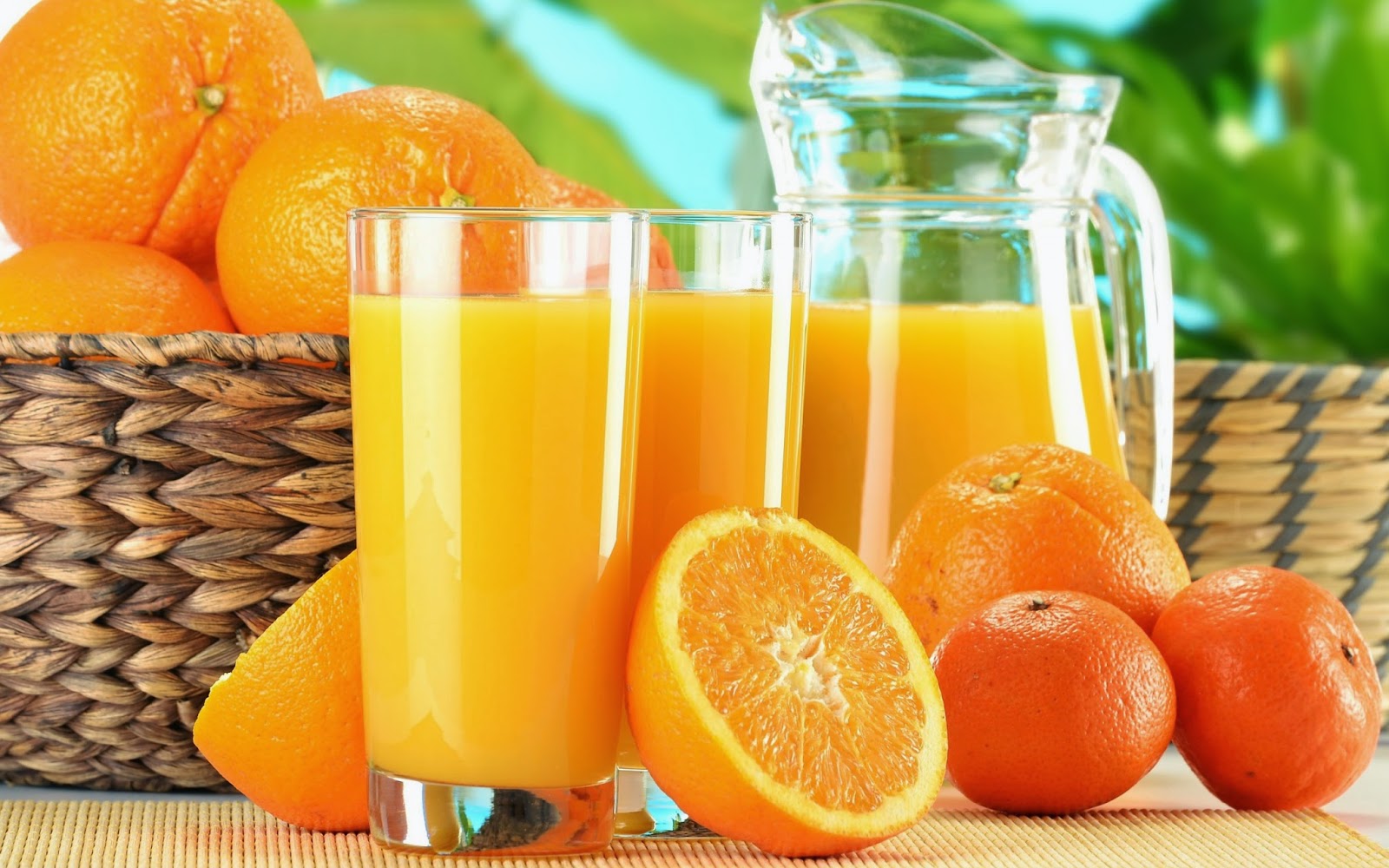
... There are dozens of studies that now implicate fructose as a major player in causing metabolic syndrome.  In fact, it's metabolized a lot like ethanol.  Let's now consume 120 calories of sucrose (60g of glucose, 60 of fructose) - for example, an 8 ounce glass of orange juice.  (As I mentioned before, juice is just as bad as soda, if not worse.)  The 60 calories of glucose do the same 20-80 split, so 12 calories of glucose will enter the liver.  But, unlike with glucose, which can be metabolized by all organs, the liver is the primary site of fructose metabolism (although the kidney has the capacity to metabolize a few calories in rare cases).  Give or take, the whole 60 calories of fructose end up in the liver.  So, the liver gets a 72-calories dose, triple the amount as with glucose alone.

The unique metabolism of fructose can induce each of the phenomena associated with metabolic syndrome:
  1. Triple the dose means the liver needs triple the energy to metabolize this combo versus glucose alone, depleting the liver cell of adenosine triphosphate (or ATP, the vital chemical that conveys energy within cells).  ATP depletion leads to the generation of the waste product uric acid.  Uric acid causes gout and increases blood pressure.
  2. The fructose does not go to glycogen.  It goes straight to the mitochondria.  Excess acetyl-CoA is formed, exceeding the mitochondria's ability to metabolize it.
  3. The excess acetyl-CoA leaves the mitochondria and gets metabolized into fat, which can promote heart disease.
  4. Fructose activates a liver enzyme, which is the bridge between liver metabolism and inflammation.  This inactivates a key messenger of insulin action, leading to liver insulin resistance.
  5. The lack of insulin effect in the liver means that there is no method to keep the glucose down, so the blood glucose rises, which can eventually lead to diabetes.
  6. The liver insulin resistance means the pancreas has to release extra insulin, which can force extra energy into fat cells, leading to obesity.  And the fat cells that fill up most are the visceral fat, the bad kind associated with metabolic disease.
  7. The high insulin can also drive the growth of many cancers.
  8. The high insulin blocks leptin signaling, giving the hypothalamus the false sense of "starvation", and causing you to eat more.
  9. Fructose may also contribute to breakdown of the intestinal barrier.  Normally the intestine prevents bacteria from entering the bloodstream.  This intestinal breakdown may lead to a breach in the walls of the intestine.  The result is a "leaky gut", which could increase the body's exposure to inflammation and more ROS.  This worsens insulin resistance and drives the insulin levels even higher.
  10. Fructose undergoes the Maillard (browning) reaction 7 times faster than glucose, which can damage cells directly.  Although the experiments are in their infancy, preliminary results suggest that in a susceptible environment, fructose can accelerate aging and the development of cancer.
  11. The data on fructose and dementia in humans are currently correlative and indirect.  However, the data on insulin resistance and dementia show clear causation.  African Americans and Latinos are the biggest fructose consumers and those with the highest waist circumference (a marker for insulin resistance).  Coincidentally, they also have the highest risk for dementia."
I hope this information helps you to make wiser choices in your diet.

I can help you improve your health.  If you would like to make an appointment with me either in person or via Skype, just send me an email to lucycarr@socialnutrition.com

Thursday, 27 December 2012

Dare I say Sugar and Heroin in the same sentence?

Well, you all know by now how anti sugar I am.  I've already written two previous posts about sugar and High Fructose Corn Syrup.  As a Nutritionist I can honestly say that there is NOTHING positive to be said for sugar.  Last week I read a book that was first published in 1973 "sugar Blues" by William Dufty.  I have to say even I was shocked at just how poisonous sugar is to the human body.  Now when I say sugar, I mean man-refined sugar.  there are natural sugars in natural foods such as fruit and, to a lesser degree, in vegetables.  These natural sugars, in moderation, are fine for us and our bodies can cope perfectly well with them and they are needed.

Man-refined sugar has not always been a part of the human diet.  None of the ancient books such as: Mosaic Law, the code of Manu, the I Ching, the Yellow Emperor's Classic of Internal Medicine, the New Testament or the Koran mention sugar.  The prophets did tell us a few things about sweet cane in ancient times: "It was a rare luxury, imported from afar and very expensive.  What else they did with it except offer it up as a sacrifice, we can only surmise." (W. Dufty. Sugar Blues).  The Greeks had no word for it.  When Admiral Nearchus in the service of Alexander the Great explored the East Indies in 325 B.C, he described it as "a kind of honey" growing in canes or reeds.  Herodotus called it "manufactured honey" and Pliny called it "honey from the cane".  It was used as a medicine and a Roman writer of Nero's time recorded its latin name saccharum.  I could go on for a very long time about the origins of sugar but one this is blatantly clear if you read the history of sugar - nothing good has ever come from the sugar trade.

With the introduction of sugar into human life, only bad things have happened.  The sugar trade brought many riches to those who were rich and powerful enough to deal in it.  However, it also brought slavery and illness.  Sugar cane grew in tropical climes and when grown elsewhere, slaves were also imported to work the plantations.  Invading armies found it fascinating  but soon found themselves succumbing to illnesses they had never heard of.  When it reached Europe, only the wealthy could afford it (the peasants living off the the land eating whole foods and a little meat and fish every now and again, couldn't afford it and strangely enough didn't succumb to the illnesses rife in the larger cities where sugar was available).  The Portuguese, Spanish and British all did very well, financially that is, from the sugar trade.  Americans soon outdistanced the British in sugar consumption - and almost every other nation too.  The U.S. has consumed one-fifth of the world's production of sugar every year but one since the Civil War (1861-1865).  By 1893, America was consuming more sugar than had been produced in the whole world in 1865.  Sugar consumption has continued to rise consistently - through depression, prosperity, war, peace, drought and flood - nothing, it seems, can stop it.

Only one other plant has kept a parallel trajectory to sugar and that is Opium.  Both began as a medicine; both ended up being used as habit forming sensory pleasures.  The Opium Wars ended with the treaty of Nanking in 1842 and the British insisted in 1858 that Opium imports into China be reinstated.

By this time, chemists had managed to produce refined versions of both Opium (morphine) and sugar.  "Morphine shots became the wonder drug of their time, a cure for all ills, including a new malady that had been discovered in sugar-bingeing nations called Sugar Diabetes.  After the American Civil War, morphine addiction in the U.S. was called the "army disease".  The abuse of morphine in the Union armies of the North was so widespread that thousands of veterans went home hooked on the stuff.  During the Civil War years, soldiers also developed a yen for cans of condensed milk preserved with great quantities of sugar.

"When physicians belatedly discovered the addictive properties of morphine, the chemists went to work again and came up with a further refinement of morphine that was much touted by medical men as a new non-addictive painkiller.  Its multisyllabic chemical name, diacetylmorphine, was soon supplanted by the name of Heroin.  Heroin was hailed in its turn as the miracle wonder drug of its time.  It replaced morphine in the TREATMENT OF SUGAR DIABETES." (W. Dufty, Sugar Blues).

There, I said it.  Sugar and Heroin in the same sentence.  We all know the dangers of Heroin and other hards drugs, but if Heroin was used way back when to treat sugar diabetes - what does that say about SUGAR?

By now (2012), most of the general public should at least be aware that sugar causes:
  • Obesity
  • Diabetes
  • Heart Disease
  • Cancer
  • Low Blood Glucose
The brain is the most sensitive organ in the body.  The difference between feeling up or down, calm or stressed, sane or insane, inspired or depressed depends largely on what we eat.  For the body to work efficiently the amount of glucose in the blood must balance with the amount of oxygen in the blood.  The adrenal glands have the job of maintaining this balance.  When we eat sucrose (man-refined sugar), it is close to being glucose so it largely escapes chemical processing.  The sugar passes directly into the intestines, where it becomes "predigested" glucose.  This is then absorbed into the blood where the glucose level has already been established in precise balance with oxygen.  The glucose level in the blood increases drastically, the balance is destroyed and the body goes into crisis mode.

So how does the body cope with the crisis?  The brain registers it first and hormones are released from the Adrenals, Insulin from the Pancreas works specifically to hold down the blood glucose levels in direct antagonism to the adrenal hormones which are trying to keep the glucose level up.  As a result of the emergency response to the crisis, it all goes too far.  The blood glucose level drops drastically, the pancreas producing insulin shuts down and other adrenal hormones kick in to bring the glucose level back up to normal.

All this has a direct effect on how we feel while this is happening.  While glucose is being absorbed into the blood we feel great - on top of the world!  However, when the blood glucose level falls drastically we feel tired, vulnerable, irritable, nervous and jumpy until our glucose level returns to normal.  So, if to combat the "blues" you eat more chocolate the whole process starts all over again.  After years of such abuse , the end result is damaged adrenals.  This results in "sugar blues"; day to day efficiency lags, constant fatigue and you never seem to get anything done.

The late endocrinologist Dr. John W. Tintera, was very emphatic when he said: "It is quite possible to improve your disposition, increase your efficiency, and change your personality for the better.  The way to do it is to avoid cane and beet sugar in all forms and guises."

In the 1940s Tintera rediscovered the vital importance of the endocrine system especially the adrenal glands.  The adrenal glands, damaged from the constant whiplash caused by the consumption of sugar, were producing a state of mental confusion or "brain boggling".  His patients' symptoms for mental confusion were incredibly similar to other patients who were unable to handle sugar: fatigue, nervousness, depression, apprehension, craving for sweets, inability to handle alcohol, lack of concentration, allergies and low blood pressure - the sugar blues!

He announced that many psychiatrically treated patients just needed to undergo a glucose tolerance test, if they couldn't handle sugar - remove it from their diet and they would be cured.  "Nobody but nobody should ever be allowed to begin what is called psychiatric treatment any place, anywhere, unless and until they have had a glucose tolerance test to discover if they can handle sugar."

This all means that to the already substantial list of health problems created by sugar, you should add:
  • Depression
  • Fatigue
  • Nervousness
  • Apprehension
  • Cravings for sweets
  • Irritability
  • Inability to handle alcohol
  • Lack of concentration
As with most things, there are people who handle things like sugar or alcohol worse than others.

Sugar has become such a part of our lives that we hardly even notice it.  All thanks to the riches from the sugar trade and huge efforts in political lobbying.  Just because it is such an ingrained part of our lives does not mean you have to consume it.  Life without sugar is possible and has a long list of benefits.  Understanding the poisonous side to it is just the beginning which I hope will lead you to a sugar-free, healthful life.

Monday, 1 October 2012

Pure Coconut Oil. A "cure" for Alzheimer's?

I was left totally amazed yesterday... my caring uncle who sends me hundreds of emails a week (mostly jokes) sent me this little gem which really had me investigating further.

Dr. Mary T. Newport M.D. had to face the terrible news that her husband had advanced Alzheimer's Disease.  As a pediatrician she didn't know much about Alzheimer's so investigated as much as she could on the disease.  She likens it to a type of diabetes of the brain where insulin issues prevent the brain cells from obtaining the glucose that they need for fuel.  When deprived of glucose the brain cells eventually shrivel and die.

However there is an alternative fuel in the form of KETONES which are metabolized in the liver after you eat medium chain triglycerides.  One form of medium chain triglycerides is pure coconut oil.  Dr. Newport began to incorporate pure coconut oil into her husband's diet and the first signs of improvement were seen in just 2 weeks.  At his diagnosis they asked him to draw a clock - he was not able to, after 2 weeks of pure coconut oil, he was able to, another 2 weeks later his clock was perfect.  His speech had improved, his coordination had improved he even had more energy and a more positive attitude... absolutely amazing for such a short space of time.  Dr. Newport even documented her husband's progress in her book Alzheimer's Disease - What if there was a cure?

What is known is that Professor Kieran Clarke Ph.D of Oxford University (UK), and her team have created a Ketone Ester that is 10 times more powerful than pure coconut oil and could be a wonder remedy.  Sadly, it all comes back to money... they need millions of pounds to mass produce it and it wouldn't be a profitable business for the investors.  This is sad when you consider that by the year 2050 there will be 15.000.000 people in the United States alone with Alzheimer's Disease.  Maybe it's time to stop looking at profits and start thinking about reducing the burden on the State produced by 15.000.000 people suffering from Alzheimer's Disease.

You can watch the CBN News report here: http://www.youtube.com/watch_popup?v=ZZOR-Qd3QSg it only takes 5 minutes and may change your life.

As far as Pure Coconut Oil is concerned here are some helpful tips:

Coconut oil can be substituted for any solid or liquid oil, lard, or butter in stove top cooking o baking.  It can be mixed directly into previously prepared dishes.  Some people like to take a spoonful straight up, but this can be disagreeable for some people so mixing it with something else is more palatable.

Coconut oil used to have a bad name as it was considered to raise cholesterol levels... that was before scientists discovered that there are two types of cholesterol; LDL or bad cholesterol and HDL which is the good cholesterol that protects the heart.  Coconut oil has been found to raise the HDL marker and therefore protects the heart.  Coconut oil has also been found to contain small amounts of phytosterols which are one of the components of "statins" used for lowering cholesterol.

It is important to use PURE coconut oil, you must make sure it is non-hydrogenated with no transfat.  Coconut oil that are hydrogenated or have been super heated because it changes the chemical structure of the fats.  You must look for products called "virgin", "organic" or "unrefined".

Coconut milk is a combination of the oil and the water from the coconut and most of the calories are from the oil. Coconut cream is mostly coconut milk and sometimes has sugar added.  Grated or flaked coconut can be purchased unsweetened or sweetened and is a good source of fiber and coconut oil and contains about 15 grams of oil and 3 grams of fiber per 1/4 cup.  However, canned or frozen coconut meat normally contains a lot of added sugar and not much oil per serving.  A fresh coconut can be cut up into pieces and eaten fresh.  A 2x2 inch piece has about 160 calories and contains 15 grams of oil and 4 grams of fiber.  Coconut water does not contain coconut oil usually, but does provide other health benefits.  Its electrolyte composition is similar to that of human plasma and is useful in the prevention or treatment of dehydration.

Incorporation of pure coconut oil into the diet is beneficial to those people who have a neurodegenerative disease that involves decreased glucose uptake in neurons such as Alzheimer's Disease and other Dementias, Parkinson's, ALS, Multiple Sclerosis, Duchenne muscular dystrophy, autism, Down's syndrome, and Huntington's chorea.

Ketones are also an alternative fuel for other cells in the body that are resistant to insulin or cannot transport glucose, they could also potentially lessen the effects of diabetes I and II on the brain and other organs.

Incorporating pure coconut oil into the diet should be done slowly, too much too soon could produce indigestion, cramping or diarrhea.  Start by taking 1 teaspoon of oil with food per meal, increasing gradually, as tolerated, over a week or longer to 4-6 tablespoons a day spread between 2-4 meals.

However, if you have a weight problem or you gain weight easily then you must be careful, as with any fat.  You can substitute your usual oils for pure coconut oil but if that isn't enough then you should cut back on the amount of carbohydrates you are consuming.  You can also cut back from full fat milk to skimmed milk inorder to balance out the amount of fats you are ingesting.

Remember most of the cells in the body are regenerated within 3-6 months so any damage you may have sustained from consuming trans fats in vegetable oils, could be improved and after that time you may notice an improvement in your skin and a decrease in certain problems such as yeast and fungal infections.

For more information go to: www.coconutketones.com