Showing posts with label sugar. Show all posts

Thursday, 2 March 2017

20 cookies a day

Would you willing hand over 20 chocolate chip cookies every day to your child and then just let him eat them all?

Well it turns out that that is exactly what most parents are doing unknowingly.  Children eat the equivalent of 20 chocolate chip cookies' worth of sugar every day and the vast majority is hidden sugar.

You know how many teaspoons of sugar you add to coffee or tea because you are the one administering it.  However, there is sugar in almost everything nowadays and to understand just how much sugar we ingest is almost impossible.  So that goes for children too.

Breakfast cereals are packed full of refined carbs and sugar... those are the first two ingredients on the pack.  Lots of parents know the evils of soft drinks, but still think that juice is a healthy option when all it really is is liquid sugar.

Public Health England has published figures that show that 11-18 year olds, on average, consume 73.2g of sugar every day - that's about 18 teaspoons a day.  The NHS guidelines recommend that children over the age of 11 should consume no more than 30g a day, as you can see this means they are doubling that limit every single day.  Four to ten year olds are consuming 53.5g/day (RDA for 4-6 year olds is 19g and RDA for 7-10 year olds is 24g) and 19 to 64 years olds are also well over the 30g maximum per day at 59.9g.

The Obesity Health Alliance also analyzed the figures and said that the food industry needs to take
urgent action and remove sugar from food.

Dr. Modi Mwatsama  of the Obesity Health Alliance said:
"Most parents would never hand over 20 chocolate biscuits a day to their children, but with so much hidden sugar in our food and drink it can often be hard to know just how much children are consuming.
"By reducing the amount of sugar found in everyday products, industry could help make a real difference in improving the health of our children.
"Industry has been successful in the past around reducing salt - let's see the same with sugar."
The British Government has called for the food industry to cut the sugar content in common products such as breakfast cereals, cakes and yogurts by 20% by the year 2020.

However, some have criticized this measure as purely voluntary and there is no obligation for the food companies to comply.

Professor Russel Viner of the Royal College of Pediatrics and Child Health, said:
"This vast amount of sugar consumption is storing up so much trouble for generations to come as we know obese children are five times more likely to become obese adults making them more likely to develop serious health conditions such as Type 2 Diabetes, cancer, heart and liver disease, dental issues and associated mental health problems."
The sugar in our children's food is a serious problem that needs to be addressed as soon as possible, and we can't leave it to the food industry to do it.  They need the sugar in their products for longer shelf life, but also to get young customers hooked on their products.  They don't care about their customers, they just care about company profits.

So, what do you care about?  Your child's health and future, or putting money in big corporations pockets?

Start feeding your family fresh food.  There are plenty of fresh foods with naturally occurring sugars in them.  Fruit, but not juice, has sugar and fiber - healthy when the two go together.  It may take a while, but if you persist, they will get used to it in the end and you will make healthy adults of them with good habits.

I can help you improve your health.  If you would like to make an appointment with me either in person or via Skype, just send me an email to lucycarr@socialnutrition.com

Thursday, 17 November 2016

The effects of junk food and sugar on adolescents' brains

When children reach adolescence, their brains take on major developmental changes in termos of structure and function.  Due to the dramatic changes in connectivity within brain regions, adolescence is a period of increased neuroplasticity.

Also brain-imaging studies have shown that the prefrontal cortex doesn't fully mature until the early 20s.  A major role of the prefrontal cortex is performing executive functions.  Executive functions refer to behavioral control, attention and decision-making.

Poor regulation of the prefrontal cortex during this period can explain why teenagers show increased risk-taking behaviors, including drug taking, binge drinking and  dangerous driving.

To parents, it often seems that however much they try to help their teenage children and provide information about unsafe behavior -their teenagers just don't listen.

For many teenagers, risky behavior often provides an immediate reward.  The brain's reward system releases dopamine when stimulated by pleasurable events, which makes carrying out these activities more appealing.

This also makes high fat and high sugar foods more appealing.  However, the adolescent reward system is especially sensitive to stimulation and over activation during this growth period may lead to permanent alterations.

If you combine a teenager's reduced ability to avoid rewarding behavior with their over stimulated reward system, then it doesn't come as a surprise that teens prefer food that is easily obtained and provides instant gratification - even though they may know that these are not healthy options.

The over consumption of sugary foods during adolescence can cause changes in the brain that do not manifest until later in life such as reduced motivation and enjoyment when experiencing rewards.

These behaviors are key features of mood disorders including depression.

This is very important to know, as it shows just how important the type of food consumed during adolescence is, and how it can impact brain function when teens become adults.  It also leads to long lasting changes in food preferences and learning about rewards.

Eating too much junk food during adolescence could halt the normal brain maturation processes.  This could alter normal developmental trajectories which, in turn, lead to enduring behavioral  predispositions - in this case, dieta associated: the habit of consuming fatty and sugary foods, leading to weight problems, obesity and weight related health complications.

Junk food and sugary food and drinks are not just full of unhealthy fats and large amounts of sugar, they also contain different excitotoxins such as monosodium glutamate (MSG).

MSG is used as a flavor enhancer in many foods especially Chinese food and junk food, but also many unsuspecting foods too.  There are many opinions as to whether MSG is safe for human consumption or not and there is still no clear cut scientific evidence for either side.  But excitotoxins are dangerous if over consumed and a brain in development such as a baby, toddler or adolescent would be more susceptible to excitoxin damage.  For this reason MSG was removed from commercially produced baby foods.

MSG is also known as; hydrolyzed vegetable protein, autolyzed yeast, hydrolyzed yeast, yeast extract, soy extracts and protein isolate, among others.

So, once again, the answer to problems such as these is to feed your family fresh produce cooked from scratch at home - and read the labels carefully when you do your shopping!

If you would like to learn more about the effects of excitotoxins then I suggest the book Excitotoxins: The Taste That Kills by Dr. Russel L. Blaylock.

I can help you improve your health.  If you would like to make an appointment with me either in person or via Skype, just send me an email to lucycarr@socialnutrition.com

Thursday, 7 July 2016

How your skin reacts to foods

Our skin is the biggest organ in the human body, it acts as a protective barrier that separates the organism from the surrounding environment, protecting it and contributing to keep it's structures intact, all while acting as a communication system with the environment.

Our skin is also affected by the way we treat ourselves... too much sun can be harmful, but not enough can too.  Smoking and drinking too much are known causes of early aging and we have all been told by the cosmetic manufacturers that we really need to look after our skin and use expensive creams to achieve a youthful aspect.

Back in January of this year, I wrote a post on feeding your skin, and how to help from the inside out, but here's a little bit of information on how daily foods can affect the aspect of our skin.  So let's start off with my personal favorite!

Sugar.

I actually am in the process of seeing how long I can go for without refined sugar.  I LOVE anything sweet and I am incapable of eating a small square or two of chocolate.  If I open the packet, the whole lot is likely to disappear.  But on 31st May this year I decided to switch to a low carb - high fat diet and it is amazing the difference it has made to my skin.

Sugar causes lines and wrinkles on the upper forehead, saggy skin under the eyes, blemishes and

large pustular or cystic acne which is widespread over the face as opposed to concentrated in certain areas.  It can also cause a gaunt appearance with thinning of the skin, and an unhealthy pasty white hue complexion.

This is because sugar leads to glycation, a process where excess glucose molecules cling to your collagen and distort it and make it stiff.  It is amazing what quitting or even reducing sugar can do for your skin, and you will literally see the difference in a matter of days to a couple of weeks.  A client of mine had terrible acne, for a totally different reason she decided to break her addiction to ice cream.  What she didn't expect was to get a vast improvement to her skin.

Dairy.

I'm putting this after sugar as the two have a lot in common... lactose is the sugar in milk so the two are strongly related (this is why the client I mentioned above got such an improvement on giving up ice cream... no sugar, no dairy... win win).  As we age our bodies find it increasingly hard to digest lactose, so even if you believe you have never had a problem with dairy, you might just find it's affecting you now.  Being unable to digest lactose is due to a loss of enzymes which leads to inflammation throughout your body, including your face which may appear tired and red.

Dairy can produce dark circles and/or bags under the eyes, swollen eyelids, widespread acne and other blemishes, spots concentrated on the chin and pale cheeks.  We do not NEED dairy produce in our diets, but if you can't live without it then keep it below 5% of your diet.

Wine.

Sorry!  Yes, wine is good for us in many ways, especially where antioxidants are concerned.  However it does have a few negative effects as well, such as oral health problems.  And yes, it can also affect your skin.  This is because wine has a very high sugar content (all alcohol does), there is also a potential pesticide and sulphite problem, but wine also causes dehydration.  So don't forget to moderate the wine and keep up the water intake at the same time, other wise you skin will become ruddy, saggy and wrinkly.

Wine and dehydration lead to pronounced lines or blemishes between the eyebrows and droopy eyelids.  The fine skin under the eyes becomes lined and wrinkled.  The dehydration causes feathery lines on the cheeks, a reddish skin tone, deep folds from the nose to the mouth and enlarged pores.

Gluten.

Yes, I know, gluten-free diets are all the rage at the moment, but please, if you don't recognize these symptoms in your skin and you aren't celiac or gluten intolerant then YOU DON'T HAVE TO GIVE UP GLUTEN.

Some people who may not realize they have a problem with gluten might recognize some of the symptoms here; blemishes on the forehead and puffy cheeks and jowls and an all round bloated appearance to the face.  Redness and/or red spots on the cheeks and blemishes or darkened areas on the chin.  If this is you then it would be a good idea to quit gluten for 3 months and see how you feel and look.  If you like, after that initial 3 month period you could try reintroducing gluten and see if it affects you.  Do this little by little.  Try a piece of bread, for example and then wait for 4 days to see if you notice anything out of the ordinary, gas, headache, skin breakout.

I can help you improve your health.  If you would like to make an appointment with me either in person or via Skype, just send me an email to lucycarr@socialnutrition.com

Thursday, 24 March 2016

Sugar tax... at long sweet last...

Sugar has been BIG NEWS of late.  There has been so much talk about the dangers of sugar and how it is being called the new tobacco, etc... And what's more, it's true.

Sugar is really bad for you, in fact I have written several posts on the subject the first of which was back in 2012; Dare I say sugar and heroin in the same sentence?

However, sugar is such a part of our lives that we don't even realize it.  It was so "cool" to drink Coke like in the movies (way back when), and now sugary drinks are a part of most peoples' everyday life.  Hidden sugar is in the most unsuspecting foods, making it difficult for people to calculate just how much sugar they ingest daily.

And then there is the non-stop marketing of processed foods and drinks which are packed full of sugar - even the supposedly "healthy" ones such as non-fat foods or granola bars... take out the fat and you need to replace the lost flavor with something, which is usually sugar and/or salt.

The one thing food manufacturers look for is what is known in the industry as the "bliss point"; that is the perfect mix of sugar, salt and fat that makes you - the consumer, wanting to eat more and more of your favorite processed foods.

Obesity is a huge problem (no pun intended), both adult and, more worryingly infant obesity are on the rise.  If being fat was just a question of appearance then... well, hey - that's up to you.  But being overweight or obese means a whole host of HEALTH problems such as type 2 diabetes, heart disease, metabolic syndrome, double risk of Alzheimer's, and several cancers...

All very serious diseases.

There are now lots of people campaigning against sugar, Dr. Aseem Malhotra and celebrity chef
Jaime Oliver are the first 2 to spring to mind.  Last week the anti sugar campaigners have won a small victory.  Now, I say small as we are yet to see the outcome of the new SUGAR TAX to be implemented in the United Kingdom.

Yes, the chancellor announced in his annual budget that a new sugar tax will be applied to the soft drinks industry in the UK.

The new tax is aimed directly at high-sugar drinks, in particular carbonated drinks.  However, this does not include fruit juices and milk-based drinks.

The tax will be imposed on drinks companies according to the volume of sugary drinks that they produce or import.  There will also be two levels; one for total sugar content above 5g per 100 milliliters, and another higher tax for drinks with more than 8g or sugar per 100 milliliters.  This could be about 18p and 24p per liter.

So, the products with the highest rate of the sugar tax will be Coca-Cola, Pepsi, Lucozade and Irn-Bru with the lower rate being applied to Dr Pepper, Fanta, Sprite, Schweppes Indian Tonic water and alcohol-free shandy.

For the moment, the sugar tax is on soft drinks and not all sweets such as chocolates and cakes as soft drinks are not seen in the same light as say a cake.  A cake can be thought of as a special treat whereas soft drinks are just a part of everyday life.  For example, as far as teenagers are concerned, soft drinks are their number one source of sugar intake and younger children get a third of their daily sugar intake from them.

This sugar tax is a direct attack on childhood obesity and, in my opinion, something that should be implemented in all countries.  The British Chancellor expects to gain 520 million Great British Pounds per year from this tax which he says will be spent on increasing the funding for sport in primary schools.

Teaching our children healthy habits from an early age is fundamental for all aspects of life.  There is a primary school in Scotland called St. Ninians which has it's pupils running a mile a day during school time.  They have noticed that the children are better behaved, settle into lessons quicker and there are no obese children in the school.  This initiative is being implanted in other schools and a study is being designed to analyze the results.

Here in Spain, my son who is in his second year of primary school, only has 2 lesson a week of physical education - too little as far as I am concerned.

So... what's the rest of the Western World going to do about it?

I can help you improve your health.  If you would like to make an appointment with me either in person or via Skype, just send me an email to lucycarr@socialnutrition.com

Thursday, 8 October 2015

Is Almond Milk as good as you think?

As I work in food intolerances I see a lot of intolerance to cow, goat and sheep milk - and obviously everything related to them... yogurts, butter and cheese.  So, if a person can't take their coffee or tea without milk, then I suggest other milk substitutes such as almond milk, rice milk or oat milk - if they aren't intolerant to any of those components either.

A friend recently asked me how healthy almond milk really is as she had heard that the almond content in almond milk was actually very low.

So, I admit, I'd never really thought about it, but decided to investigate.  I found a report about the surprising lack of almonds in almond milk.  According to the report a half gallon carton of almond milk contains less than one handful of almonds.  One analysis of a UK almond brand, Alpro, revealed that it only contains 2% almonds of the total drink, the rest is water, Sugar, Calcium (tri-calcium phosphate), Sea salt, Stabilisers (Locust bean gum, Gellan gum), Emulsifier (Sunflower lecithin), Vitamins (Riboflavin (B2), B12, E, D2).

Ok, so almond milk doesn't actually have a whole lot of almonds...  Almonds are highly nutritious as they are high in protein and healthy fats and are a great energy source.  The article I found is actually quite a scathing attack on almond milk companies and compares the benefits of raw almonds to almond milk:

A serving of almonds contains roughly 160 calories whilst a cup of almond milk contains just 30 calories.  A standard serving of almonds contains 6g of protein and 14g of healthy fats.  A cup of almond milk has just 1g of protein and 2.5g of healthy fats.

However, I don't get what the problem is.  I mean, almond milk and other vegetable milks are there to be used as a substitute for cow's milk - and other animal milks.

What do you use almond milk for?  Do you use it to brighten up your coffee or on your morning cereal?  Are you trying to get something other than taste out of it?

Cow's milk is a very polemic subject.  There are those for it and those against it.  I, for one, am against it.  Milk produce should be reduced to just 5% of anybody's diet - you see that?  I don't ban it all together unless you are either allergic or intolerant to it.  If you have no known allergy or intolerance to it, then keep it below 5% and you'll be just fine, as long as it is grass-fed and free ranging.  Other than that, it really isn't a necessary part of a balanced diet - we humans do not NEED cow's milk.

So, if we take into account that we are better off without it, and the substitutes are almond milk, etc.. then why does it matter if almond milk is only 2% almonds?  If you have a fresh food, balanced diet... as in forget the processed "foods" and base your meals on plants with a bit of animal protein... then you don't NEED to get as many calories and healthy fats from almond milk as you would from eating raw almonds.  Almond milk would just be a nice, healthier addition to your day than topping up your coffee with processed, highly hormoned, antibiotic and puss stuffed cow's milk...

So, does it really matter that almond milk is just 2% almonds?  You can have a highly nutritious diet which included raw nuts, avocados, etc for healthy fats.  In order to get all the nutrition you get with eating almonds, from just the almond milk you'd have to drink the whole carton in one go - roughly, so what would you prefer?  To be happy in the knowledge that your 2% almond milk is not doing the damage to your body that cow's milk does?  Or to be upset that it only contains 2% almonds?

I don't think that almond milk is made to substitute eating almonds but as a substitute for cow's milk and it needs to be understood as that.

Me?  I'm more worried about the amount of sugar it contains!

I can help you improve your health.  If you would like to make an appointment with me either in person or via Skype, just send me an email to lucycarr@socialnutrition.com

Thursday, 1 October 2015

How on earth do I quit junk food? Part 2

A couple of weeks ago I wrote a post on how to quit junk food.  However, there is so much to say on this topic that I decided that another post was necessary - in the hope I can help those of you who are trying to improve your eating habits.

When you quit an un healthy habit like smoking or alcohol, it is actually quite "easy" to avoid those elements in your daily life. However, you can't not eat.  Humans need food so you can't just avoid it and what with busy lifestyles junk food that is readily available, ready to eat and cheap is an easy option to go for.  What's more, the food industry DOESN'T WANT YOU TO STOP eating processed foods and junk food.

Let's just focus on sugar.

Sugar, High Fructose Corn Syrup (HFCS), dextrose, maltose.... there are over 41 names for sugar on food labelling.  I think Robert H. Lustig, MD explains the sugar dilema very well:
"If 'a calorie is a calorie' were true, and obesity and metabolic syndrome were a result of 'empty calories', the mantra of 'eat less, exercise more' would stand.  But sugar is not 'empty calories'.  The fructose component is a toxin by itself - a chronic one, a dose-dependent one - but a toxin nonetheless.  We know about the ill effects of smoking and prolonged alcohol usage.  Every single disease or condition of metabolic syndrome is driven by fructose,  including hypertension, through increases in uric acid; high triglycerides and insulin resistance, through synthesis of fat in the liver; diabetes, via
increased liver glucose production combined with insulin resistance; accelerated aging, due to damage to lipids and protein; likely cancer, due to DNA damage, high insulin levels, and the fact that some cancers seem to use fructose preferentially for energy; and likely dementia, through insulin resistance in the brain.
Sugar acts on the reward center to encourage subsequent intake.  Whether it fits the criterion for addiction is irrelevant; the stuff is abused.  You get hooked at an early age, and it's harder to kick the habit after years of prolonged usage.  There are now numerous human studies examining the dependence-producing properties of sugar.  By reducing dopamine signaling in the brain's reward center, the pleasure derived from food is reduced (increasing tolerance), compelling the individual to consume more.  And when the sugar is stopped, symptoms of irritability (withdrawal) become apparent."
Fat Chance, Beating the Odds Against Sugar, Processed Food, Obesity, and Disease
Robert H. Lustig, M.D.

None of us are truly aware of how much sugar is really in the food we eat... but it is harming us every single day.  For example, my 15 year old daughter accompanied me to do the grocery shopping the other day and asked me to buy some Kellogg's Frosties - I refused and told her exactly why - because of the sugar content.  So here you have the ten worst Children's breakfast cereals (from among 275):

  1. Kellogg's Honey Smacks: 55.6% sugar by weight.  Ingredients: Sugar, wheat, dextrose, honey, contains 2% or less of vegetable oil (hydrogenated or partially hydrogenated soybean), salt, caramel color, soy lecithin, BHT for freshness.
  2. Post Golden Crisp: 51.9% sugar
  3. Kellogg's Froot Loops Marshmallow: 48.3% sugar
  4. Quaker Oats Cap'n Crunch's OOPS!  All Berries: 46.9% sugar
  5. Quaker Oats Cap'n Crunch Original: 44.4% sugar
  6. Quaker Oats Oh!s: 44.4% sugar
  7. Kellogg's Smorz: 43.3% sugar
  8. Kellogg's Apple Jacks: 42.9% sugar
  9. Quaker Oats Cap'n Crunch's Crunch Berries: 42.3% sugar
  10. Kellogg's Froot Loops Original: 41.4% sugar
Do you really want your kids eating this stuff?  Do you want to eat this stuff?

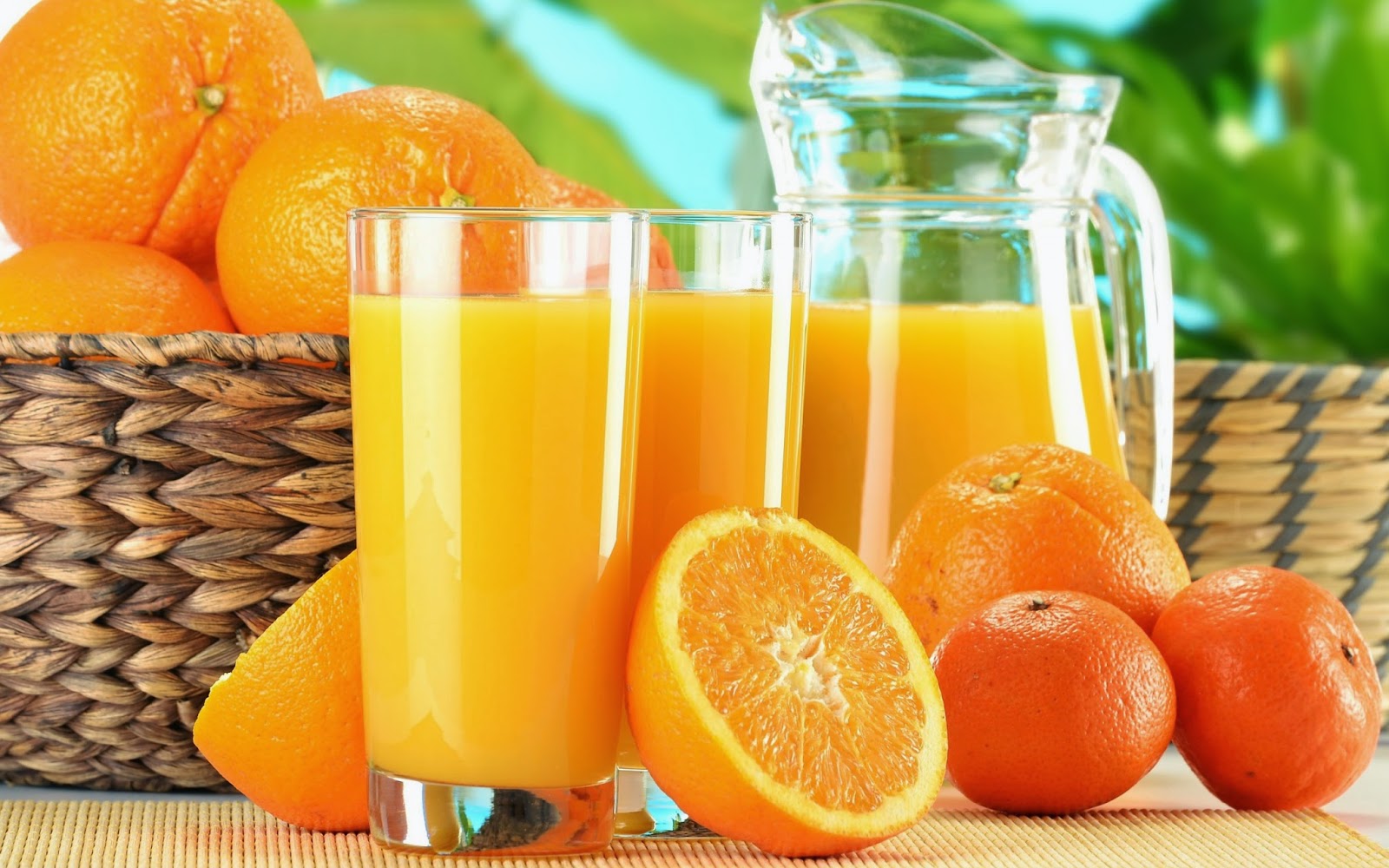
Lots of people believe that changing soda for fruit juice is healthier - but it isn't.  There is just as much sugar in juice as there is in sodas.

What makes FRUIT healthier than junk food is it's fiber content.  If you eat the whole fruit, the fiber slows down the release of sugar into the blood stream avoiding the sugar spike and subsequent insulin response.  All the fiber is removed when you make juice - even if you make it at home, so all you have left is fruit flavored sugar water.   

Change your environment:

The "easiest" way to avoid problems is to change your environment.  This means:
  1. Clean out your kitchen.  Remove all unhealthy, processed foods from your cabinets and fridge.  If you only stock healthy foods then you won't have the temptation.  Lots of people say, "Oh! But what about my kids?"  What about them?  If you stop them eating unhealthy foods they will be healthy and stay a healthy weight.  What's more, they will learn healthy eating habits from a young age which will stay with them for life.
  2. Don't go anywhere near a fast food restaurant.  No one forces you to go inside.  YOU can make that decision.  Plan meals ahead.  You can cook ahead too, a little organization is key and once you get the hang of it, you won't even want to go to the burger joint or pizza place.
  3. Take control.  If it has a label on it, it isn't real food.  The only way we can force the food industry into changing it's ways is to refuse to succumb to what they want... and what they want is you to spend your money on their unhealthy food.  Don't let them!
So, what's it going to be?  Only YOU can decide!

I can help you improve your health.  If you would like to make an appointment with me either in person or via Skype, just send me an email to lucycarr@socialnutrition.com

Thursday, 6 August 2015

What Coke does to you... and it ain't pretty...

Last week The Renegade Pharmacist published an infographic on what a can of Coke does to you after just one hour.  It is stunning to think what your body goes through from drinking just ONE can of Coke.  Well this week The Renegade Pharmacist is back with the effects of drinking a DIET COKE.  So, just in case you missed it, here are both.

What happens one hour after drinking a can of Coke (The Renegade Pharmacist).

1.  First 10 minutes.
10 teaspoons of sugar hit your system (100% of your recommended daily intake).  You don't immediately vomit from the overwhelming sweetness because phosphoric acid cuts the flavor allowing you to keep it down.

2.  20 minutes.
Your blood sugar spikes, causing an insulin burst.  Your liver responds to this by turning any sugar it can get its hands on into fat.  (There's plenty of that at this particular moment).

3.  40 minutes.
Caffeine absorption is complete.  Your pupils dilate, your blood pressure rises, as a response your liver dumps more sugar into your bloodstream.  The adenosine receptors in your brain are now blocked preventing drowsiness.

4.  45 minutes.
Your body ups your dopamine production stimulating the pleasure centers of your brain.  This is physically the same way heroin works, by the way.

5.  60 minutes.
The phosphoric acid binds calcium magnesium and zinc in your lower intestine, providing a further boost in metabolism.  This is compounded by high doses of sugar and artificial sweeteners also increasing the urinary excretion of calcium.

6. 60 minutes.
The caffeine's properties come into play.  (It makes you have to pee).  It is now assured that you'll evacuate the bonded calcium, magnesium and zinc that was headed to your bones as well as sodium, electrolyte and water.

7. 60 minutes.
As the rave inside of you dies down you'll start to have a sugar crash.  You may become irritable and/or sluggish.  You've also now, literally, pissed away all the water that was in the Coke.  But not before infusing it with valuable nutrients you body could have used for things like even having the ability to hydrate your system or build strong bones and teeth.

Now this is me... Lucy Carr... we all know that drinking regular soda is full of sugar and is bad for us but people still drink vast amounts.  After reading this, will you be switching to Diet Coke?

Probably not, because as I said before, The Renegade Pharmacist has, this week, published the effects of drinking Diet Coke and here it is, in his own words.

What happens one hour after drinking a can of Diet Coke (The Renegade Pharmacist).

1.  First 10 minutes.
TRICKS YOUR TASTE BUDS & ATTACKS YOUR TEETH
The phosphoric acid attacks the enamel in your teeth, while the artificial sweeteners like aspartame hit your system.  Aspartame may trigger taste receptors and trick your body into thinking it has just processed sugar.

2.  20 minutes.
CAN SWITCH ON FAT STORAGE MODE
Like regular Coke this can trigger insulin, which sends your body into fat storage mode.

Data from a number of studies, including the Nurses' Health Study and the Health Professionals Follow-Up Study also reported greater risk of type 2 diabetes, high blood pressure and heart disease.

Also some data indicates those who consume artificially sweetened beverages double the risk of metabolic syndrome which is related to diabetes and cardiovascular problems.

3.  40 minutes.
CAN CAUSE ADDICTION
The potentially deadly combination of caffeine and aspartame creates a short addictive high similar in the way cocaine works.  Excitotoxins are released which may exhaust your brain by overstimulating it's neuroreceptors, especially if consumed on a regular basis.

4.  60 minutes and beyond
CAN DEPLETE NUTRIENTS, MAKE YOU HUNGRY & THIRSTY FOR MORE
Unlike the small amount of satisfaction you get from regular coke, your body may still crave sweets.  This makes you likely to reach for another soda, or worse, some other junk food you consider to be safe and the cycle continues.

A can of diet coke provides no nourishment and would replace a more nutritious drink you could have drunk while potentially depleting your body of essential minerals.

It will never quench your thirst as it dehydrates rather than hydrates your body.  A lack of vital water can lead to brain fog, poor concentration, fatigue and feeling irritable.

Now, back to me, Lucy Carr.  I was so horrified of the possible side effects of aspartame consumption that I quit Diet Coke in September 2013 and I haven't had a soda, regular or diet since - that's almost 2 years and yes, I feel so much better for it and I don't have a problem controlling my weight anymore.

So, as always, I hope this information will help you make an informed decision about improving your health.

For more information you can also read:

Just How Dangerous are Diet Sodas?
How money can buy what it wants and what that can mean to your health.

I can help you improve your health.  If you would like to make an appointment with me either in person or via Skype, just send me an email to lucycarr@socialnutrition.com

Thursday, 30 April 2015

Sugar vs Fat

This week I posted a photo on Twitter titled "The Sugar you Drink".  It was a very graphic way of demonstrating the amount of sugar in the drinks people consume on a daily basis.


However, sugar is HIDDEN in so many things that it is ridiculously difficult to know exactly how much you are really consuming.  Sugar is found not only in sweet foods like biscuits, chocolate or cake, but also in savory foods and some that are deemed "healthy", for example, low fat yogurts, wine, balsamic vinegar, salad dressings, pasta sauces and ready meals.  Even low calories sweeteners such as Canderel or Splenda will not stop you putting on weight.  Artificial sweeteners provoke the same reaction in the brain/ body as sugar.  The taste buds register the sweetness and send a message to the brain that sugar is coming, insulin is then released to lower the rise in blood glucose, however, the calories never arrive, but the damage is already done.

Our bodies are designed to only allow a small amount of sugar in the bloodstream, about 1-2 teaspoons, any more than that and the insulin process swings into action.  The insulin removes the sugar from the blood and converts it into fat and then stores it around your waist.  When your diet has too much sugar in it, your cells can become resistant to insulin which increases your risk of type 2 diabetes, and heart disease even if you DON'T have a weight problem.

Investigators now know that excess sugar can attach itself to cells all over the body, this is a process called glycation where the sugar forms a hard sticky crust around the cells.  This causes cell damage which is what causes wrinkles and premature aging from the inside out.

You will do well to remember that sugar is not only chocolate, biscuits and cake, but all carbohydrates are converted into sugar during the digestion process.  I do not advocate excluding entire food groups, so my advice is to stick to the natural sugars found in nature; fruit (only a little), potatoes, carrots, and if you can't go without bread then at least make it as whole grain as humanly possible and go for one with a low GI rating such as Rye.  However, you must limit your intake of carbohydrates to 2-3 times a week if you are trying to lose weight.

So, what happens if you quit sugar?  A LOT HAPPENS.  You will have healthy glowing skin and hair, a trim figure and loads of energy that you've probably been lacking for years.  So take advantage of it and get moving!

Why fat is better than sugar.

Fat has had bad press for decades and is only recently making a come-back.  Fat is good for you, but you need to know which are the healthy fats and which ones your should stay away from.

Stay away from:  Vegetable oils such as canola (from rapeseed), soya, sunflower, safflower and corn.  This includes margarines.  Vegetable oils and margarines are subjected to horrendous refining processes using industrial solvents and hydrogenation processes (margarine).  This also means staying away from any products that use these fats in their ingredients; crisps, industrially produced pastries such as doughnuts, biscuits, cakes and fried foods.

HEALTHY FATS are essential for health.  There are many nutrients found in vegetables such as lycopene, betacarotene and certain vitamins that need the presence of fat in order to be absorbed by the body.

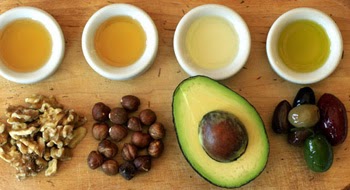
Healthy fats are: oily fish such as salmon and mackerel, nuts, seeds, avocados and olive oil, all of which contain Essential Fatty Acids (EFAs).  These EFAs provide various important health functions in the body and can only be obtained from food - our bodies can not make them on their own.  The outer layer of our cells is made of fat, therefore we need to consume healthy fats to maintain the cell wall strong, healthy and supple so that it can perform its important functions.  New information has come to light that even includes certain saturated fats such as butter, coconut oil and red meat, as healthier than previously thought.

I drizzle my steamed vegetables with butter - delicious!

So, my advice, ditch the sugar and add some healthy fats to your diet!

I can help you improve your health.  If you would like to make an appointment with me either in person or via Skype, just send me an email to lucycarr@socialnutrition.com

Thursday, 26 March 2015

A Carbohydrate is a Carbohydrate - or is it?

I said last week that I would explain about different sugars... I found the perfect explanation in the book Fat Chance, by Robert H. Lustig M.D.  Seeing as no one can explain it as perfectly as Dr. Lustig, I decided to leave it in his own words, but you will have to bear with me as it is a bit long.

"All carbohydrates are not created equal.  Just as there are different gradations of fats, there are different gradations of carbohydrates based on their metabolism.  To illustrate how this works, consider the following exercise involving the metabolism of three different carbohydrates of equal caloric value (120 calories): glucose, ethanol (grain alcohol), and fructose.

Glucose

Despite its absolute necessity for life, dietary glucose isn't perfect.  When it exists in nature without fructose, it's called "starch", and it truly does supply "empty calories", energy for either storage or burning.  But the Atkins, Paleo, and caloric-restriction adherents will all tell you that the glucose molecule has three metabolic downsides, all of which do damage over time and necessitate the limitation of its consumption.  To demonstrate this, let's consume 120 calories of glucose (e.g., one-half cup cooked white rice).  Twenty percent, or 24 calories, will enter the liver, whereas the rest will be metabolized by other organs in the body.  Here's what happens:

  1. Glucose metabolism is insulin-dependent.  Consuming glucose raises the glucose level in the bloodstream, stimulating insulin release, which promotes energy storage into fat cells and causes weight gain.
  2. The overwhelming majority of glucose in the liver will be directed toward forming glycogen, or liver starch, which is not harmful to the liver cell.  This also will keep the liver from releasing glucose into the blood, preventing diabetes.
  3. A small amount of glucose will be metabolized by the liver mitochondria for energy.
  4. Any excess glucose in the liver that is not shunted to glycogen and not metabolized by  the mitochondria for energy will instead be converted to triglycerides.  High triglyceride levels in the blood can promote development of cardiovascular disease.
  5. Glucose can bind to proteins in the cell, which causes two problems:
    • When glucose binds to proteins throughout the body, the proteins become less flexible, contributing to the aging process and causing organ dysfunction.
    • Every time a glucose molecule binds to a protein, it releases a reactive oxygen species (ROS), which can cause tissue damage if not immediately mopped up by an antioxidant in the peroxisome.
Like all things, glucose in excess can be bad for you - especially when it lacks fiber, which limits the insulin response.  However, you would have to consume a lot of it and over a long period of time for glucose to have these detrimental effects.  In general, large amounts of glucose (starches such as pasta, white bread, rice, etc.) will cause you to gain pounds but it won't make you sick.  Rather, if over time you gain too much weight from glucose, the visceral fat that is formed will eventually take its toll on your health.  But when you consume the same number of calories as either ethanol or fructose, you get much more of a bang to your liver (more like a hand grenade), and it takes its toll much faster.
Ethanol (Grain Alcohol)

Ethanol is a naturally occurring by-product of carbohydrate metabolism, called fermentation.  Upon ingestion of 120 calories of ethanol (e.g., a 1.5 ounce shot of 80-proof hard spirits), 10 percent (12 calories) is metabolized within the stomach and intestine (called the first-pass effect) and 10 percent is metabolized by the brain and other organs.  The metabolism in the brain is what leads to the alcohol's intoxicating effects.  Approximately 96 calories reach the liver - four times more than with glucose.  And that's important, as the detrimental effects are dose-dependent.
  1. After ethanol enters the liver in high dosages, it can promote ROS formation and cell damage.
  2. In contrast to glucose, which went to glycogen, the ethanol goes straight to the mitochondria.
  3. Any excess gets turned into fat by a process called de novo (new) lipogenesis (fat-making).  The lipid buildup can lead to liver insulin resistance and inflammation.
  4. If this process continues, it can eventually cause alcoholic liver disease.  This is a surefire prescription for slow death or, at best, a liver transplant.
  5. Alternatively, the lipid can exit the liver and take up residence in skeletal muscle, where it also induces insulin resistance and can cause heart disease.
  6. Lastly, ethanol enhances its own consumption, by acting on the brain's reward pathway.  When this goes out of control, addiction sets in.
Thus, for the same number of calories, ethanol is more likely than glucose to cause chronic disease.


Fructose

Fructose is never found alone in nature.  Rather, it is always partnered with its more benign sister molecule, glucose.  They both have the same chemical composition (C6H12O6), but they are hardly the same.  Fructose is much worse.  Let's start with the Maillard, or "browning", reaction.  This is the same reaction that turns hemoglobin in your red blood cells into hemoglobin A1c (HbA1c), the lab test that doctors follow to determine how high a diabetic patient's blood sugar has risen over time...

... There are dozens of studies that now implicate fructose as a major player in causing metabolic syndrome.  In fact, it's metabolized a lot like ethanol.  Let's now consume 120 calories of sucrose (60g of glucose, 60 of fructose) - for example, an 8 ounce glass of orange juice.  (As I mentioned before, juice is just as bad as soda, if not worse.)  The 60 calories of glucose do the same 20-80 split, so 12 calories of glucose will enter the liver.  But, unlike with glucose, which can be metabolized by all organs, the liver is the primary site of fructose metabolism (although the kidney has the capacity to metabolize a few calories in rare cases).  Give or take, the whole 60 calories of fructose end up in the liver.  So, the liver gets a 72-calories dose, triple the amount as with glucose alone.

The unique metabolism of fructose can induce each of the phenomena associated with metabolic syndrome:
  1. Triple the dose means the liver needs triple the energy to metabolize this combo versus glucose alone, depleting the liver cell of adenosine triphosphate (or ATP, the vital chemical that conveys energy within cells).  ATP depletion leads to the generation of the waste product uric acid.  Uric acid causes gout and increases blood pressure.
  2. The fructose does not go to glycogen.  It goes straight to the mitochondria.  Excess acetyl-CoA is formed, exceeding the mitochondria's ability to metabolize it.
  3. The excess acetyl-CoA leaves the mitochondria and gets metabolized into fat, which can promote heart disease.
  4. Fructose activates a liver enzyme, which is the bridge between liver metabolism and inflammation.  This inactivates a key messenger of insulin action, leading to liver insulin resistance.
  5. The lack of insulin effect in the liver means that there is no method to keep the glucose down, so the blood glucose rises, which can eventually lead to diabetes.
  6. The liver insulin resistance means the pancreas has to release extra insulin, which can force extra energy into fat cells, leading to obesity.  And the fat cells that fill up most are the visceral fat, the bad kind associated with metabolic disease.
  7. The high insulin can also drive the growth of many cancers.
  8. The high insulin blocks leptin signaling, giving the hypothalamus the false sense of "starvation", and causing you to eat more.
  9. Fructose may also contribute to breakdown of the intestinal barrier.  Normally the intestine prevents bacteria from entering the bloodstream.  This intestinal breakdown may lead to a breach in the walls of the intestine.  The result is a "leaky gut", which could increase the body's exposure to inflammation and more ROS.  This worsens insulin resistance and drives the insulin levels even higher.
  10. Fructose undergoes the Maillard (browning) reaction 7 times faster than glucose, which can damage cells directly.  Although the experiments are in their infancy, preliminary results suggest that in a susceptible environment, fructose can accelerate aging and the development of cancer.
  11. The data on fructose and dementia in humans are currently correlative and indirect.  However, the data on insulin resistance and dementia show clear causation.  African Americans and Latinos are the biggest fructose consumers and those with the highest waist circumference (a marker for insulin resistance).  Coincidentally, they also have the highest risk for dementia."
I hope this information helps you to make wiser choices in your diet.

I can help you improve your health.  If you would like to make an appointment with me either in person or via Skype, just send me an email to lucycarr@socialnutrition.com

Thursday, 19 March 2015

Obese people are in denial...

According to a recent study "OBESE PEOPLE ARE IN DENIAL OVER HOW MUCH SUGAR THEY EAT".  Apparently a huge gap exists between how much fat people think they consume and what they really consume.

Researchers claim to have found the strongest link yet between sugar and obesity, they noted that people with a sweet tooth were more likely to be overweight.  A team of scientists from the universities of Reading, Cambridge and Arizona State compared the sugar intake of 1,700 people living in Norfolk, UK.

In order to do this, they used two methods: self-reported consumption, where the participants report what they think they have consumed, and sugar levels in urine samples - recognized as a more accurate and objective test.

After 3 years the participants had their Body Mass Index (BMI) calculated.

The results found that the participants who actually consumed the most sugar, as measured using the urine test, were 54% more likely to be overweight than those who ate less sugar.

You may not find this surprising, however, the obese participants tended to misrepresent how much sugar they were consuming.  Those who SAID they were eating the most sugar were actually 44% less likely to be obese than those who claimed to be consuming the lowest amounts.

So, why do people have a different perception of what they eat to what they REALLY DO EAT?  I think there are at least two factors involved here:

  1. Back in December 2014 I wrote a post about Mindless Eaters.  Whether you have a weight problem or not, we all tend to forget a large amount of what we eat during the day.  The only way to fully understand how much we really eat and drink is to write it down at the same moment.  If you wait until the end of the day and rely on memory you will have forgotten a fair chunk of it.
  2. Hidden sugars.  Most people (with or without weight issues) are fairly oblivious to how much sugar is in their diet.  Sugars come in many disguises and lots of people tend to associate sugar with sweet things like chocolate, cakes and biscuits.  However, refined carbohydrates such as white rice, pasta, and white bread are high in sugar and have a devastating affect on health.  There are also high amounts of sugar in processed foods, junk food, even FAT-FREE foods where sugar is added to compensate the lack of flavor once the fat is removed.
It is only recently that scientists have discovered that fat doesn't make us fat but sugar does.  The evidence has been staring us in the face for decades but lobbying from the sugar industry has been quite successful at diverting out attention.

So, I think it is unfair to say that "OBESE PEOPLE ARE IN DENIAL", I think we are ALL in denial about how much sugar we REALLY consume on a daily basis.

Why not do a little test of your own.  For one week, before going to bed write down what you have eaten and drunk during the day.  Then they following week, do the same BUT writing it down as soon as you eat and drink something and then compare the two.  Also analyze WHAT you have eaten and drunk during the day for sugar content.

Next week, I will explain how our bodies react to different sugars and why it is so toxic.

I can help you improve your health.  If you would like to make an appointment with me either in person or via Skype, just send me an email to lucycarr@socialnutrition.com

Thursday, 26 February 2015

Is Sugar Addictive?

For years it has been debated if sugar is addictive or not.  Recently it has been shown to have the same reaction in the brain as COCAINE.

So is it or isn't it?

Jordan Gaines Lewis, a PhD candidate at Penn State College of Medicine is here to explain exactly what happens to the brain when a person STOPS eating sugar.

Addiction:

Sugar is such an ingrained part of our food that we hardly even realize it's there.  Most of us prefer sweet foods over sour and bitter foods.  This is because our mesolimbic pathway reinforces that sweet things provide a healthy source of carbohydrates.  And, this is because of EVOLUTION.

In neuroscience, food is called a "natural reward".  In order for our species to survive things like eating, having sex and nurturing others must be pleasurable to the brain so that these behaviors are reinforced and repeated.

Evolution has developed the mesolimbic pathway, this is a brain system that deciphers these natural rewards for us.  When we do something that is pleasurable, the ventral tegmental area uses dopamine, a neurotransmitter, to signal the nucleus accumbens.

What helps us to decide if we want another bite of chocolate cake is the connection between the nucleus accumbens and the prefrontal cortex.  The prefrontal cortex also activates hormones that implant the idea that the cake we are eating is really good and makes us remember that in the future.  And, here we go back to evolution, when our ancestors went looking for food sour tastes meant "not yet ripe", bitter meant "alert - poison!", and sweet meant "ok!".

However, modern diets have changed beyond recognition from the fruit gathering days.  With huge amounts of processed and prepared foods in our diets means it is almost impossible to escape added or "hidden" sugars.  Over a decade ago, it was estimated that the average American consumed 22 teaspoons of ADDED sugar per day, adding up to an extra 350 calories.

Not long ago, an expert estimated that the average Briton consumes 238 teaspoons of sugar each WEEK.

These added or hidden sugars have turned us all into unknowing addicts.

Drugs such as nicotine, cocaine and heroin hijack the brain's reward pathway and make users dependent on them, increasing neuro-chemical and behavioral evidence suggests that SUGAR is addictive in the SAME WAY.

There are 4 major components of addiction: bingeing, withdrawal, craving and cross-sensitization (the notion that one addictive substance predisposes someone to becoming addicted to another).

All of these components have been observed in rats tested in laboratories for sugar as well as drug abuse.

A typical experiment works like this:  rats are deprived of food for 12 hours every day, they are then given 12 hours of access to a sugary solution and regular chow.  After a month of following this daily routine, rats displayed behaviors similar to those on drugs of abuse.  They'll binge on the sugary solution in a short period of time, much more than their regular food.  They also show signs of anxiety and depression during the food deprivation period.

Also, many sugar-treated rats who are later exposed to drugs such as cocaine and opiates, demonstrate dependent behaviors towards the drugs compared to rats who did not consume sugar previously.

Like drugs, sugar spikes dopamine release in the nucleus accumbens, the part of the brain that controls feelings of reward.

In the long term, regular consumption of sugar changes the gene expression and availability of the dopamine receptors in the brain.  Specifically, sugar increases the concentration of a type of receptor called D1, but decreases another receptor type called D2.  Regular sugar consumption also inhibits the dopamine transporter action, this is a protein which pumps dopamine out of the synapse and back into the neuron after firing.

All this means that over time, repeated access to sugar leads to prolonged dopamine signaling, greater stimulation of the brain's reward pathways and a need for even more sugar to activate all of the dopamine receptors.

In short, the brain becomes tolerant to sugar - and more is needed to attain the same "sugar high".

Withdrawal:

Some people give up sugar for short periods of time, say for lent.  A fellow graduate student who did this told Lewis that the cravings never disappeared but they did get easier to deal with after a week or so.

A 2002 study by Carlo Colantuoni and Colleagues at Princeton University - rats  who had undergone a typical sugar dependence protocol then underwent "sugar withdrawal".

They managed this by either food deprivation or treatment with naloxone, a drug used for treating opiate addiction which binds receptors in the brain's reward system and stops the craving for drugs.  Both methods for withdrawal produced the same physical problems including teeth chattering, paw tremors, and head shaking.  The rats treated with naloxone also appeared more anxious, as they spent less time on an elevated apparatus that lacked walls on either side.  Rats in sugar withdrawal also showed to be more passive in the forced swim test, preferring to float than to actively try to escape when placed in water, suggesting feelings of helplessness.

Obviously, these experiments in rats are fairly extreme, but they give us an insight into the neuro-chemical underpinnings of sugar dependence, withdrawal and behavior.

We humans have spent decades debating the existence of "sugar addiction".  There are accounts of people going through "sugar withdrawal" describing food cravings, which can trigger relapse and impulsive eating.  However, there are also countless articles and books about the boundless energy and new found happiness in those who have given up sugar for good.

So what will you choose?  Be a slave to the sugar industry, a drug addict?  Or, will you suffer withdrawal in the hope of a healthier, happier life?

I can help you improve your health.  If you would like to make an appointment with me either in person or via Skype, just send me an email to lucycarr@socialnutrition.com

Thursday, 11 December 2014

The Coca-Cola Experiment

By now, you should all know the perils of drinking too many soft drinks... if any at all.  The amount of sugar contained in drinks such as Coca-Cola is astronomical, and the diet versions aren't much healthier because of the sweeteners in them.

To prove this point, George Prior, a 50 year old entrepreneur from Los Angeles decided to see what would happen if he drank 10 cans of Coke a day for a month.  Before starting on this experiment, George was fit and healthy and weighed 12 stone (76 kg).

After the 30 day trial his stats were way different:  His normally healthy physique turned into a protruding pot belly and his weight went from 12 stone (76 kg) to 14 stone (88.9 kg), that's a 2 stone gain in just 30 days!  But that wasn't all; his blood pressure soared from 129/77 to 145/96 - the ideal level for blood pressure is 120/80 above this level the risk of heart disease or stroke is greatly increased.

Yet again is wasn't just the physical transformation that worried him, he feared he was becoming addicted to Coke after he experienced intense cravings.  Mr. Prior tried to maintain his normal Paleo diet which is a low carbohydrate diet which promotes eating lean meats, vegetables and nuts and berries, but he experienced severe sugar cravings that he found difficult to ignore.
"The most dramatic change was in weight: 23lb (10.4 kg) of gain over 30 days," he said, "I also seemed to develop a craving for Cokes, or other sugars, during the time I was drinking Cokes.  I'm urging people to examine the amount of sugar in their diets.  People need to be aware of the real and powerful damaging effects of sugar on their health."
Before (Left) and After (Right)

He also found that he felt full all the time and had to force himself to drink all 10 Cokes every day, he said he did the experiment in order to stir up debate and to get people talking about how much sugar they are actually consuming and how unhealthy it is.
"I would prefer not to do it again," he commented, "I don't like being this heavy."
After finishing his experiment Mr. Prior lost 5 lb (2.2 kg) in just four days.

A regular can of Coke contains 35g of sugar, the equivalent of 7 cubes of sugar.  In March, the World Health Organization (WHO) called for the recommended daily allowance of sugar to be reduced from 50g to 25 g, or from 10 to five cubes a day.  So just ONE can of Coke is more than the recommended daily allowance.

Experts warn that soft drinks contain sugar but have no nutritional value whatsoever, and Mr. Prior said that he found it hard to eat as much food because the Coke left him feeling full at lunch and dinner.  Experts also warn that soft drinks are fueling the obesity epidemic and, consequently, other serious diseases including cancer, heart disease and stroke.

New York assemblyman, Karim Camara has called for sugar-laden beverages to carry warning labels similar to those found on cigarette packets, he said that soft drinks "are the new smoking".

The general public often doesn't realize just how much sugar they consume as most of it is in a liquid form.  Soft drinks and fruit juices are basically just liquid sugar and should be consumed in moderation.  Children should not be allowed these types of drinks even though most parents deem juices to be "healthy", when really they are just flavored sugar.

I can help you improve your health.  If you would like to make an appointment with me either in person or via Skype, just send me an email to lucycarr@socialnutrition.com

Thursday, 16 October 2014

Sex or cake?

Yes, you heard me right!  Apparently one in six women would give up sex forever in exchange for a slice of their favorite cake.  A surprising "study" or survey has come to light in the United Kingdom, people are actually willing to give up essential things in favor of eating... cake.  Some of the things they are willing to give up are: their car, mobile phone, the internet, and wine.

The survey also found that cake is used as a tool to get what they want.  One in eight have brought cakes into their office to get their way with their boss, while 11% of men have tried to win a woman's heart with a cake - compared to 7% of women.

It was also revealed that 9% of men are willing to give up sex for cake, compared to 16% of women, and a quarter would be willing to delete their Twitter and Facebook accounts and never watch their favorite TV show again... just for a slice of cake.

So which is really better for you?  Cake or sex?

Well, cake contains (depending on the recipe): butter or margarine, sugar, eggs, milk, chocolate and flour...  If you read this blog on a regular basis you will know I am not a fan of milk or sugar.  Cow's milk is downright dangerous to health  and sugar... well we all know the dangers of too much sugar in our diets.  Eating sugar has exactly the same reaction in the brain to cocaine.  Refined white flour has no nutritional value what so ever - neither does sugar.  Anything that has been refined has been stripped of it's goodness first so it doesn't "give" you anything.  Also refined carbs make you fat.  Yes, it has been proven on many occasion that it isn't saturated fat that is making us fat but refined carbohydrates.  Also eating too many carbs can cause insulin resistance and the onset of type II diabetes.  Margarine is full of trans fats which are far more dangerous than natural fats.  The butter and eggs are the least dangerous but when mixed with the refined flour and sugar, cause havoc on the digestive system.  Dark natural chocolate isn't too bad either as long as it is organic.

Now, the benefits of sex (here are just 7, but there are many more):

  1. Helps keep your immune system working.  People who have sex have higher levels of what defends your body against germs, viruses, and other intruders.  Researchers at Wilkes University in Pennsylvania found that college students who had sex once or twice a week had higher levels of a certain antibody compared to students who had sex less often.  Also, "Sexually active people take fewer sick days," says Yvonne K. Fulbright, PhD - a sexual health expert.
  2. Lowers your blood pressure.  Research suggests a link between sex and lower blood pressure, says Joseph J. Pinzone, MD, CEO and medical director of Amai Wellness.  "There have been many studies," he says. "One landmark study found that sexual intercourse specifically lowered systolic blood pressure."
  3. Sex is exercise.  Sex uses about five calories per minute, four more calories than watching TV.  It bumps up your heart rate and uses various muscles.  Now this doesn't mean you don't need to do traditional exercise, but it definitely has added benefits.
  4. Lowers heart attack risk.  A good sex life is good for your heart.  Besides being a great way to raise your heart rate, sex helps keep your estrogen and testosterone levels in balance.  In one study it was found that men who had sex at least twice a week were half as likely to die of heart disease as men who had sex rarely.
  5. Sex lessens pain.  Try swapping painkillers for an orgasm!  Stimulation without orgasm can also do the trick but "Orgasm can block pain," says Barry R. Komisaruk, PhD.
  6. Improves sleep.  Most find it very easy to fall asleep after having sex.  "After orgasm, the hormone prolactin is released, which is responsible for the feelings of relaxation and sleepiness after sex," says Sheenie Ambardar, MD, a psychiatrist in West Hollywood, California.
  7. Eases Stress.  Being close to your partner can soothe stress and anxiety.  Sex and intimacy can boost your self-esteem and happiness too, it's not only a prescription for a healthy life, but a happy one too!
So, cake or sex?  I know which one I choose!

I can help you improve your health.  If you would like to make an appointment with me either in person or via Skype, just send me an email to lucycarr@socialnutrition.com

Thursday, 28 August 2014

Be honest... how much do you eat?

On the 18th August 2014 the Institute of Economic Affairs in the United Kingdom published a report called The Fat Lie... you can download it here.  Basically I'm having a hard time digesting it.

The Summary of the report is as follows:
  • The rise in obesity in recent decades is popularly believed to be the result of increased consumption of calories in general and sugar in particular.
  • Campaigners have called for product reformulation, fat taxes and other anti-market policies to reduce calorie consumption at the population level.
  • All the evidence indicates that per capita consumption of sugar, salt, fat and calories has been falling in Britain for decades.  Per capita sugar consumption has fallen by 16% since 1992 and per capita calorie consumption has fallen by 21% since 1974.
  • Since 2002, the average body weight of English adults has increased by 2 kilograms.  This has coincided with a decline in calorie consumption of 4.1% and a decline in sugar consumption of 7.4%.
  • The rise in obesity has been primarily caused by a decline in physical activity at home and in the workplace, not an increase in sugar, fat or calorie consumption.
Basically, the report published by the Institute of Economic Affairs is saying that the undeniable rise in obesity is NOT RELATED TO WHAT WE EAT, but to a lack of exercise.

I'm sorry but I really can't swallow this one.  Yes physical exercise is very important to health, but if you are eating junk food on a regular basis and your diet is high in carbohydrates (especially of the sugary kind), it doesn't matter if you are active, you will put on weight!

One of the arguments against the report is that the report is based on till receipts from supermarkets - so basically it tells us what people are taking home with them.  It doesn't take into consideration WHAT those people are doing with the food they take home, as in are the frying it or is it being made into cakes?  It is also based on members of the general public reporting what they have eaten over various days.

Well, Dr. Michael Mosely did a documentary on eating habits and different diets (I can't for the life of me remember the name of it, sorry!), in that documentary a woman was asked for one week to write down everything she ate and drank at the end of each day.  She was then asked the following week to write down everything she ate and drank at the time of eating or drinking it... not later on.  The difference in the amount of food she'd really eaten (second week) compared to what she had remembered eating (first week) was incredible.  We really do not remember eating things.  You can try this yourself, for one week write everything down at the end of each day.  The following week, write everything down as you eat or drink it, then compare the two.

So if you base a report on other people's memories it isn't going to be reliable.

There is no doubt that there is a serious obesity problem which is costing the public health services a fortune in new equipment for hospitals to cater for obese patients, in the treatment of diseases related to obesity such as type 2 diabetes, heart disease and some cancers, school uniforms are having to be made larger to cater for obese children yet according to The Fat Lie, it's not because of what we are eating just a lack of exercise.

For an adult to burn fat through exercise there has to be an absence of glucose in the body.  If there is glucose present, the body will burn that BEFORE burning fat.  This means roughly 40 minutes of high energy aerobic exercise - such as running BEFORE you even start burning fat.

I am convinced that our sedentary lifestyles are damaging our health to a huge degree and if you add junk food, fried food, carbs, sugary desserts, sugar filled drinks, etc to that sedentary lifestyle, then you have a recipe for disaster.

A plant based diet and a regular exercise program are, in my opinion, the only way to go.  So, my apologies to Christopher Snowdon, but I just can't stomach that report.

These two short videos on this topic are well worth a few minutes of your time.


I can help you improve your health.  If you would like to make an appointment with me either in person or via Skype, just send me an email to lucycarr@socialnutrition.com