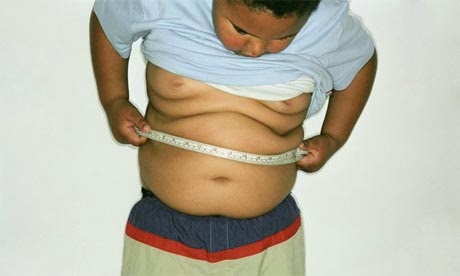
Showing posts with label childhood obesity. Show all posts

Thursday, 2 March 2017

20 cookies a day

Would you willing hand over 20 chocolate chip cookies every day to your child and then just let him eat them all?

Well it turns out that that is exactly what most parents are doing unknowingly.  Children eat the equivalent of 20 chocolate chip cookies' worth of sugar every day and the vast majority is hidden sugar.

You know how many teaspoons of sugar you add to coffee or tea because you are the one administering it.  However, there is sugar in almost everything nowadays and to understand just how much sugar we ingest is almost impossible.  So that goes for children too.

Breakfast cereals are packed full of refined carbs and sugar... those are the first two ingredients on the pack.  Lots of parents know the evils of soft drinks, but still think that juice is a healthy option when all it really is is liquid sugar.

Public Health England has published figures that show that 11-18 year olds, on average, consume 73.2g of sugar every day - that's about 18 teaspoons a day.  The NHS guidelines recommend that children over the age of 11 should consume no more than 30g a day, as you can see this means they are doubling that limit every single day.  Four to ten year olds are consuming 53.5g/day (RDA for 4-6 year olds is 19g and RDA for 7-10 year olds is 24g) and 19 to 64 years olds are also well over the 30g maximum per day at 59.9g.

The Obesity Health Alliance also analyzed the figures and said that the food industry needs to take
urgent action and remove sugar from food.

Dr. Modi Mwatsama  of the Obesity Health Alliance said:
"Most parents would never hand over 20 chocolate biscuits a day to their children, but with so much hidden sugar in our food and drink it can often be hard to know just how much children are consuming.
"By reducing the amount of sugar found in everyday products, industry could help make a real difference in improving the health of our children.
"Industry has been successful in the past around reducing salt - let's see the same with sugar."
The British Government has called for the food industry to cut the sugar content in common products such as breakfast cereals, cakes and yogurts by 20% by the year 2020.

However, some have criticized this measure as purely voluntary and there is no obligation for the food companies to comply.

Professor Russel Viner of the Royal College of Pediatrics and Child Health, said:
"This vast amount of sugar consumption is storing up so much trouble for generations to come as we know obese children are five times more likely to become obese adults making them more likely to develop serious health conditions such as Type 2 Diabetes, cancer, heart and liver disease, dental issues and associated mental health problems."
The sugar in our children's food is a serious problem that needs to be addressed as soon as possible, and we can't leave it to the food industry to do it.  They need the sugar in their products for longer shelf life, but also to get young customers hooked on their products.  They don't care about their customers, they just care about company profits.

So, what do you care about?  Your child's health and future, or putting money in big corporations pockets?

Start feeding your family fresh food.  There are plenty of fresh foods with naturally occurring sugars in them.  Fruit, but not juice, has sugar and fiber - healthy when the two go together.  It may take a while, but if you persist, they will get used to it in the end and you will make healthy adults of them with good habits.

I can help you improve your health.  If you would like to make an appointment with me either in person or via Skype, just send me an email to lucycarr@socialnutrition.com

Thursday, 20 October 2016

The truth behind type 2 diabetes

On 2nd October 2016, the BBC showed a documentary on their program PANORAMA.  This particular episode struck a deep chord with me as it was about Type 2 Diabetes, my father suffers from this disease and I know the struggle he has faced for years.

As a nutritionist I see type 2 diabetes as having a fairly simple solution - lose weight and you can control or even cure the progression of the disease.  However, for those suffering from type 2 diabetes don't see it as simply as I do, and this is what made watching this documentary so painful.  The impotence, the frustration and hopelessness of the patients, their families and the medical professionals is devastating.

The amount of people currently struggling with type 2 diabetes in the UK are costing the NHS 10.3 BILLION GBP per year - that's 10% of the NHS' budget spent on caring for people with type 2 diabetes.  This is because 4 MILLION people are living with this condition and 500.000 don't even know it.

So why does it cost so much?

Many people think that type 2 diabetes is basically harmless.  However, its effects are far reaching, and the truth is that this disease is a KILLER.  Type 2 diabetes can lead to heart failure, blindness, kidney disease (need for dialysis) and foot and leg amputations.

Type 2 diabetes isn't just the medication you need to control it, it's the cost both human and economic of dealing with other diseases caused by the type 2.  For example, one of the cases featured in the documentary shows an elderly man having his leg amputated due to this disease.  He had to have two operations and rehabilitation.  That's 18,000 GBP for the two ops and 20,000 GBP more for rehabilitation, not to mention the cost to him at losing a leg.  Amputations due to the body's inability to fight infection from ulcers because of the diabetes are, unfortunately, very common.  Not a welcome thought for anyone.  And this comes at an economic cost to the NHS that is threatening its survival.

If you read this blog you will know that type 2 diabetes is a lifestyle acquired disease which means there is too much glucose in the blood due, generally, to poor diet and therefore the body's mechanism for turning glucose into energy doesn't work properly.  Nine out of ten patients diagnosed with type 2 diabetes are overweight.

Professor Tim Barratt, from Birmingham Children's Hospital says;
"Obesity and diabetes will have a tremendous burden on our national health service.  It would be much cheaper to change lifestyles now and prevent complications than trying to pay for it with the NHS."
But type 2 isn't just for middle aged people who haven't looked after themselves.  Until the year 2000 not a single case of type 2 diabetes had been diagnosed in a child in the UK.  Now more than 500 CHILDREN have developed the disease because of poor diet and obesity.

In the UK one fifth of children are overweight or obese by the time they start PRIMARY school, and more than one in three are overweight or obese by the time they leave.

Professor Barratt says;
"Type 2 diabetes in children may be a different disease to type 2 diabetes in adults.
"So adults who get this at the age of 50 or whatever may not necessarily get these other complications.  The children we are seeing with type 2 seem to have got a more aggressive progress.  And they're getting these complications earlier than you'd expect."
The NHS is now focused on prevention.  Doctors claim that although bariatric surgery costs about 5,000 GBP, if it prevents sufferers from developing more serious complications then it is money well spent.  However, the NHS is only performing about 6,000 bariatric surgeries per year.  If it were to meet the European average, it would be closer to 50,000, enough to make a difference.

The government has also imposed a "sugar tax" on soft drinks and they have also published a childhood obesity strategy.  But many in the medical profession believe that tougher actions are needed if a difference is to be made.

But, at the end of the day, the general public has to WANT to look after themselves, and also those suffering already from type 2 diabetes have to make a huge effort with help from the medical professionals to change their lives.  Admitting you have a problem and that you need help is half the battle won.

I can help you improve your health.  If you would like to make an appointment with me either in person or via Skype, just send me an email to lucycarr@socialnutrition.com

Thursday, 24 March 2016

Sugar tax... at long sweet last...

Sugar has been BIG NEWS of late.  There has been so much talk about the dangers of sugar and how it is being called the new tobacco, etc... And what's more, it's true.

Sugar is really bad for you, in fact I have written several posts on the subject the first of which was back in 2012; Dare I say sugar and heroin in the same sentence?

However, sugar is such a part of our lives that we don't even realize it.  It was so "cool" to drink Coke like in the movies (way back when), and now sugary drinks are a part of most peoples' everyday life.  Hidden sugar is in the most unsuspecting foods, making it difficult for people to calculate just how much sugar they ingest daily.

And then there is the non-stop marketing of processed foods and drinks which are packed full of sugar - even the supposedly "healthy" ones such as non-fat foods or granola bars... take out the fat and you need to replace the lost flavor with something, which is usually sugar and/or salt.

The one thing food manufacturers look for is what is known in the industry as the "bliss point"; that is the perfect mix of sugar, salt and fat that makes you - the consumer, wanting to eat more and more of your favorite processed foods.

Obesity is a huge problem (no pun intended), both adult and, more worryingly infant obesity are on the rise.  If being fat was just a question of appearance then... well, hey - that's up to you.  But being overweight or obese means a whole host of HEALTH problems such as type 2 diabetes, heart disease, metabolic syndrome, double risk of Alzheimer's, and several cancers...

All very serious diseases.

There are now lots of people campaigning against sugar, Dr. Aseem Malhotra and celebrity chef
Jaime Oliver are the first 2 to spring to mind.  Last week the anti sugar campaigners have won a small victory.  Now, I say small as we are yet to see the outcome of the new SUGAR TAX to be implemented in the United Kingdom.

Yes, the chancellor announced in his annual budget that a new sugar tax will be applied to the soft drinks industry in the UK.

The new tax is aimed directly at high-sugar drinks, in particular carbonated drinks.  However, this does not include fruit juices and milk-based drinks.

The tax will be imposed on drinks companies according to the volume of sugary drinks that they produce or import.  There will also be two levels; one for total sugar content above 5g per 100 milliliters, and another higher tax for drinks with more than 8g or sugar per 100 milliliters.  This could be about 18p and 24p per liter.

So, the products with the highest rate of the sugar tax will be Coca-Cola, Pepsi, Lucozade and Irn-Bru with the lower rate being applied to Dr Pepper, Fanta, Sprite, Schweppes Indian Tonic water and alcohol-free shandy.

For the moment, the sugar tax is on soft drinks and not all sweets such as chocolates and cakes as soft drinks are not seen in the same light as say a cake.  A cake can be thought of as a special treat whereas soft drinks are just a part of everyday life.  For example, as far as teenagers are concerned, soft drinks are their number one source of sugar intake and younger children get a third of their daily sugar intake from them.

This sugar tax is a direct attack on childhood obesity and, in my opinion, something that should be implemented in all countries.  The British Chancellor expects to gain 520 million Great British Pounds per year from this tax which he says will be spent on increasing the funding for sport in primary schools.

Teaching our children healthy habits from an early age is fundamental for all aspects of life.  There is a primary school in Scotland called St. Ninians which has it's pupils running a mile a day during school time.  They have noticed that the children are better behaved, settle into lessons quicker and there are no obese children in the school.  This initiative is being implanted in other schools and a study is being designed to analyze the results.

Here in Spain, my son who is in his second year of primary school, only has 2 lesson a week of physical education - too little as far as I am concerned.

So... what's the rest of the Western World going to do about it?

I can help you improve your health.  If you would like to make an appointment with me either in person or via Skype, just send me an email to lucycarr@socialnutrition.com

Thursday, 2 April 2015

Inspiration comes in shrinking packages

According to the Center for Disease Control and Prevention (CDC):

  • Childhood obesity has more than doubled in children and quadrupled in adolescents in the past 30 years.
  • The percentage of children aged 6-11 years in the USA who were obese increased from 7% in 1980 to nearly 18% in 2012.  Similarly, the percentage of adolescents aged 12-19 years who were obese increased from 5% to nearly 21% over the same period.
  • In 2012, more than one third of children and adolescents were overweight or obese.
In the UK, the latest figures for 2013/14, show that 19.1% of children aged 10-11 years were obese and a further 14.4% were overweight.  Of children aged 4-5 years, 9.5% were obese and another 13.1% were overweight.

Children depend on their parents for their needs.  So how conscious are parents about their child's weight?  Back in February, 2014, I wrote a post about childhood obesity which discussed the problem that three quarters of parents with overweight children are in denial about their child's weight.  Claiming that 77% of parents with overweight children believed that their child's weight was "normal".

Our only hope is that our children realize for themselves that they have a problem.  I'd like to share a true story with you about a 12 year old boy who took control of his weight by himself.

Owen before his diet

Owen Clarke, an English schoolboy was classed as obese at 5ft 4inches (164cm) and weighing in at 10st 8lbs (68.5kg).  He says he was embarrassed by his size and when it came to his physical education class at school he said he hated it because he'd get really tired and he "looked like a tomato".  He says he wasn't bullied about his weight and no one said anything to him about it, but he couldn't play football with his friends and wanted to change.

This change happened when his mother decided to go on a diet.  She told her family she was going to change the way she ate and Owen asked if he could too.

His mother, Ms Hatfield, said that Owen asking her if he could diet made her feel awful,
"I'd never looked at him and thought he was fat or overweight.  He's my son and you just don't look at your child like that."
She also said,
"We always ate convenience food because it's so much cheaper.  I'd been brought up that way and I've never known anything different."
And here are the 2 major problems.  Parents don't admit their child has a weight problem and convenience foods are CHEAPER than fresh food and cooking home prepared meals.  And that, is the sad truth for many people in many "developed" countries.

It is quicker, easier and cheaper to feed your family junk food.  I don't actually believe this to be entirely true.

Owen swapped chocolate and sausage rolls for low fat yoghurts and cucumber and carrot sticks and his mother took responsibility and began preparing home cooked food from scratch.

Owen, in 3 months, has lost an amazing 18kg and now plays football for an hour everyday with his friends.  His mother has also lost 16kg in the joint effort with her son.

Owen after his weight loss

Owen has transformed his life and was able to realize his weight was stopping him from having a normal childhood.  Children need to understand the importance of a healthy diet and parents do too - even more so than their children.  The education that parents should be giving their children at home is not English, Maths, Geography or History, but LIFE SKILLS; the knowledge of how to be healthy, how to eat correctly and to look after themselves, now and in the future.

Children who are overweight or obese are more likely to be overweight of obese adults.  It's the parents' responsibility to teach them what is right and wrong.  So, take a good look at your family, are any of them overweight?  Take a good look at the food you give them, do you need to change what you are feeding them?

I would also like to say that governments need to take a look at society and decide if it is right to let junk food be CHEAPER than buying fresh produce.  Maybe help from the governments is what the general public needs.  From a healthy diet comes healthier people who won't put such a strain on the public health services - it's an all round winner.  You need to attack the root of the problem not try to find a way to deal with all the people who are suffering from obesity related illnesses such as Type 2 Diabetes, heart disease and cancer - among others.

Congratulations to Owen Clarke and his mother for changing and embarking on a healthier lifestyle, Owen you are an inspiration, keep up the good work.

I can help you improve your health.  If you would like to make an appointment with me either in person or via Skype, just send me an email to lucycarr@socialnutrition.com

Thursday, 12 February 2015

The acceptance of obesity

I spent last week in Sao Paulo, Brazil.  I was there to support my husband at his annual event Campus Party.  So, it was actually a bit of a holiday for me as I had no obligations, at least work wise!

However, I was shocked and deeply saddened on my first morning there.  A coach had been organized to shuttle Campus Party employees from their hotels to the event centre where Campus was being held.  Having arrived late the night before my husband and I had an early breakfast and made our way out to the bus at 7am.

You are probably all familiar with the signs you find on all forms of public transport, they tend to all be similar, like this one reminding us that the first row of seats is priority seating for the elderly, disabled, pregnant women or women with small children.


Well, the one I was confronted with on my first morning in Sao Paulo was this one:


Yes, "we" are now including the obese as eligible for priority seating.  I totally get it and of course we must make daily life easier for them, but at the same time it truly saddens me that obesity has become something normal and accepted.

The reason why this upsets me is not because I don't like looking at overweight people... it's not that at all, my entire career is dedicated to helping people with weight problems and trying to prevent future health problems in people who are an ideal weight, overweight, obese and even underweight.

The reason why this upsets me is because obesity is now something that is accepted.  Obesity should not be accepted, it should not become the new NORMAL for one simple fact:  obesity kills.

We won't solve the obesity problem simply by including these people in a category.  We have to HELP them solve their problem, we have to HELP them improve their health.

Being obese can lead to a whole host of life threatening illnesses such as type 2 diabetes, heart disease and some cancers.  It also contributes to bone fractures, amputations (because of type 2 diabetes), breathing difficulties, mobility problems, difficulties when operations need to be performed for more serious health issues, not to mention the loss of quality of life.

I have read so many times of women turning their lives around and going from obese to a healthy
weight with lots of hard work for one simple reason... LIFE:

"I realized I was going to die, and I didn't want to leave my children without a mother."
"I wanted to be able to do things with my kids like play in the park."

Or a father who after losing his wife to cancer realized if he didn't lose weight he would probably die and his children would be orphans.

Or the women and men who got stuck in swings or theme park attractions.

Or the embarrassing moment when someone has to ask for a seatbelt extension on a plane - or worse still have to pay for two seats instead of just one.

Or the woman who saw a photo of herself at her son's wedding and cried as she "hadn't realized how fat I'd got!"

Child obesity is on the rise, today's younger generation are going to be the first to die before their parents because of weight related issues.

Finding you can't do what you want to do because of your weight is what mainly gets people to do something about their condition.

So please, love yourselves and your families and look after yourselves and your loved ones.  Learn how to be healthy and how to eat healthily and teach it to those you love.  Stop obesity in it's tracks and start you and your family on the path to health and wellness.

I can help you improve your health.  If you would like to make an appointment with me either in person or via Skype, just send me an email to lucycarr@socialnutrition.com

Thursday, 13 November 2014

Whose fault is it that people are obese?

The amount of times I have heard that people who are over weight or obese only have themselves to blame.  But let's face it... is that true?  Obviously there is a certain responsibility we all have as to exactly what we put in our mouths, but maybe we can also blame others.

Nowadays, most people are spending eight hours a day stuck in an office where they are expected to stay at their desks at all times and get as much work done as possible.  Stress is high, and many eat lunch at their desks.  Then you have to get home - many stuck in traffic jams, others fighting through crowds to get on the next bus, metro, or train... or a combination of all three.  By the time you get home the last thing you want to have to deal with getting creative in the kitchen.  Take out, frozen pizza or a ready meal may seem far more appealing than actually having to check exactly what fresh ingredients you have in the fridge and kitchen cupboards and how can you turn what you have into a healthy nutritious meal for you and your family.

Also the high numbers of unemployed doesn't help either.  Lots of people are living on tight budgets and in countries like the USA where a McDonald's meal is cheaper and more filling than buying fresh ingredients at the supermarket don't make things any easier.  Also the amount of temptation we are faced with on a daily basis... delicious looking muffins, doughnuts, cakes and chocolate bars seem to be on every counter in every shop - not to mention the office vending machine.  Giving in to temptation seems to be all too easy.  I should know.  I have an incredible sweet tooth and even though my career means I have to practice what I preach, I find it hard to resist temptation and do give in every now and again.

So what if people are fat!  Well, I have to say there is a huge SO WHAT.  Obesity and being overweight leads to serious illness.  Very serious illnesses such as some forms of cancer, diabetes, metabolic syndrome and joint problems - all of which are costing the public health services huge amounts of money.

In the UK, thousands of people are being paid sickness benefits because they are too fat to work.  This is costing the taxpayer 54million GBP.  Almost 12,000 people received Disability Living Allowance last year because they have metabolic disease - this is the medical term for the combination of obesity, diabetes and high blood pressure - all caused by... obesity.

There is so much that each individual can do to either combat obesity or not put on weight to start with.  If we look after ourselves - eat healthily and take regular exercise, then our risk of developing a serious illness drops dramatically.  I agree with Tam Fry, spokesman for the National Obesity Forum:
"Successive governments have made life too easy for too many obese people.  If the obese have a legitimate cause for their fatness - and there may be medical or genetic reasons - benefits should not be denied to them.  But getting long-term benefits simply for overeating is an insult to society."
Official figures for the UK state that nearly one in five British secondary school pupils and a quarter of adults are obese.  Also health experts are predicting that by 2050 the annual bill for obesity-related illnesses will have risen to 50 BILLION GBP a year, with almost two thirds of the population obese.

This means that public health services such as the NHS in the UK will go bust.  There simply won't be enough money to help these people with their illnesses and this also means that people who are not overweight and have other serious illnesses such as cancer will not be able to get treatment either.  In most cases, being overweight or obese is a lifestyle choice, it is caused by the individual.  Yes, there is too much temptation and the governments aren't doing enough to make sure that the food industry helps by cutting calories in food and drink and to help people make healthier choices.

But as individuals we can take control of our own diets and make the right decisions as to what we eat - that way the food industry will have to make changes or it will start losing huge amounts of money.  We have the power - the power to make changes, it is time for the individual to take control and force the food industry into serving us and our needs - not us filling their bank accounts.

Remember:  YOU HAVE THE POWER!


I can help you improve your health.  If you would like to make an appointment with me either in person or via Skype, just send me an email to lucycarr@socialnutrition.com

Thursday, 19 June 2014

Cut the sugar

It seems to me that we live in a society where success - be it at work or socially - is measured by how you look.  Are you thin enough?  Is your hair beautifully luscious?  Are you wearing the right designer label?  Do you drive the right car?

We are constantly confronted with top models airbrushed to perfection and headlines screaming out the next best diet that promises miracles in half an hour with no suffering.  Women strive to be a size 0, while teenagers;  boys and girls alike are struggling with Anorexia and Bulimia just to be accepted.

And, of course, there is the other side of the coin... obese and over weight people are turning to dangerous operations such as gastric bands and gastric bypasses to lose weight quickly.  Childhood obesity is on the rise and children are being bullied about their weight.  Obese people have admitted to being socially outcast and I have even spoken to people who have suffered mobbing in their workplace because their boss didn't like "fat" people.
We judge people on their appearance.  We think we can form an opinion of someone just by what they look like.  Well you can’t.  For example, there are many reasons behind obesity, it isn’t just someone eating too much.  Some people have serious psychological problems, others have illnesses which lead them to put on weight such as hypothyroidism, others have to take medication that makes them gain weight…

Stats:
  • 1/3 of adults worldwide are now overweight.  The number has QUADRUPLED since 1980 in the developing world.
  • In the UK alone 64% of adults are classed as obese.
  • A global explosion means that 1.46 billion adults across the globe are obese or over weight (this means they have a Body Mass Index of over 25).
  • Obesity = greater risk of heart attacks, strokes, cancer, diabetes and other health related issues.
  • At 70% North America has the highest percentage of overweight adults, but regions such as Australasia and Southern Latin America are catching up with 63%.
  • North Africa, the Middle East and Latin America saw overweight and obesity rates increase to a level similar to Europe, around 53%.

So why is this happening?

I think a lot of the problem is down to lifestyle choices.  A poor diet and lack of exercise can lead to a whole host of health problems including weight gain, obesity,  and as I said before, heart attacks, cancer, strokes, diabetes, etc..

Then add on that we are constantly bombarded with publicity from fast food companies and soft drink companies who are just dying to sell as much of their product as they can, and promise to make our lives so much easier as we can just pick up the phone and magically a pizza will appear on our doorstep, or Chinese food, or Indian, or… and the list goes on.

ALL fast food, processed food, soft drinks, basically anything with an ingredient label is packed full of vast amounts of sugar and salt.  Both of which contribute vastly to weight gain.

This week, I was reading the press from the UK, on any given day there are various articles about diet, sugar, fat, etc., in fact this week on one day I saw these three headlines:
  1. "The hell of giving up sugar (and why it's worth all the agony in the end)..."
  2. "Rising obesity levels force NHS to spend extra 5.5 million pounds on adapting hospitals and buying specialist equipment to cope with overweight patients."
  3. "Slap a 20% 'health tax' on fizzy drinks.  Experts call for action to slash UK sugar intake."
For years the government “health” bodies have been telling us that fat is the killer.  We have a vast range of low fat and no fat products on the market all meant to magically make us thin - but they don’t.  Ever since Senator George McGovern created the first ever dietary guidelines way back in 1977 we have had a health problem.  At the time saturated fat consumption from animal sources was at an all time high in the States and so were heart attacks.  It was therefore decided that heart attacks were being caused by the consumption of saturated fat.  So the US Government decided that we should all be using vegetable oils and margarines to lower the consumption of saturated animal fat (e.g: butter).  However health problems continued to increase - including heart attacks in a time when saturated fat consumption was at an all time low. 
As it turns out, vegetable margarines which were marketed as the healthy substitute for animal fat, are packed full of trans fats and far more dangerous to your health than eating butter.  One of my first ever posts on this blog was about trans fats… you can read it here.

However we are still on a low fat health kick.  All you have to do is walk around a supermarket and see just how many low fat products there are.  However, what you have to stop and think is that if you remove the fat from something you have to replace it with something else - otherwise it tastes pretty nasty!  So what do they replace it with?  SUGAR AND SALT.

We now know that the real killer is not fat at all and in fact our bodies need fat (in moderation), there are certain vitamins (A, D, E, and K) that are only soluble in the presence of fat.  But still our governments publish food pyramids and food plates that tell us to eat carbs and just a little bit of animal protein - because of the fat content.  Sugar and refined carbs are the real killer - so yes tax that sugar, make people healthier!

Refined sugar has no nutritional value, refined flour has no nutritional value, white rice has no nutritional value…  Sugar and salt do you NO good at all.  Stay natural and stay healthy.


    I can help you improve your health.  If you would like to make an appointment with me either in person or via Skype, just send me an email to lucycarr@socialnutrition.com


Thursday, 20 February 2014

Does your child have a weight problem?

According to the World Health Organization website:
Childhood obesity is one of the most serious public health challenges of the 21st century. The problem is global and is steadily affecting many low- and middle-income countries, particularly in urban settings. The prevalence has increased at an alarming rate. Globally, in 2010 the number of overweight children under the age of five, is estimated to be over 42 million. Close to 35 million of these are living in developing countries.
Overweight and obese children are likely to stay obese into adulthood and more likely to develop noncommunicable diseases like diabetes and cardiovascular diseases at a younger age. Overweight and obesity, as well as their related diseases, are largely preventable. Prevention of childhood obesity therefore needs high priority.
However, as worrying as this is... it gets worse.

Researchers at Imperial College London found that three quarters of parents with fat children are in denial about their child's weight, claiming that 77% of parents with overweight children believed that
their child's weight was "normal".  This finding suggests that obesity has been normalized among parents and our perception of what being overweight or obese has changed.  Another worrying factor is that only 41% of parents who recognized that their child was overweight, accepted their child's health might be at risk in the future.  Lots of the parents made excuses such as:

  • It's the genes
  • He/she has a big build
  • It's puppy fat
  • He/she is no bigger than other children
And this denial isn't just in Britain, last week research from the University of Nebraska-Lincoln, USA, published findings which suggested that half of parents with an overweight child are in denial about their child's size.  The research showed that the parents believed that their child was slimmer than they actually were.  Others with an obese child thought their son or daughter was normal or slightly heavy, while one in seven parents whose child was a healthy weight worried that they were too skinny.  

Many children who are overweight have parents who are overweight but this is not a general rule.  What we teach our children at home stays with them for life.  If children are allowed unhealthy snacks such as a packet of crisps/ chips every day that amounts to 5 liters of cooking oil ingested every YEAR - and it isn't even good quality cooking oil!!!  Add on top of that the fast food habit that many homes have.  There are many families who don't cook healthy meals from scratch and rely on pizza, hamburgers, Chinese and Indian takeaways, etc.  Here the main excuse from the parents is that they don't have the time to cook.

Jaime Oliver has crusaded for years to try and improve children's eating habits and to change those of their families'.  

Another study released this week revealed that children who live near a lot of fast food outlets are more likely to be overweight or obese.  Researchers at the University of East Anglia and the Centre for Diet and Activity Research looked at weight data from over 1million children and compared it with the availability of unhealthy food outlets including fish and chip shops, burger bars, pizza places and sweet shops.

They found that older children were more at risk of having a weight problem when living in close proximity to a high density of unhealthy eating outlets.  They found that secondary school students were more likely to have a weight problem from fast food habits because they have more spending power and can therefore choose the food they want.

Children with a weight issue are at risk of childhood diabetes, low self-esteem, orthopaedic and cardiovascular problems and roughly 70% of obese children and teenagers also go on to have weight problems in their adult life.

So, it is up to the parents to teach their children about healthy eating and the importance of exercise.  Even our children are becoming more and more sedentary which only adds to the problem.  The best thing parents can do is to teach by example.

Social Nutrition:  You can make an appointment to improve your health with Social Nutrition either in person (Madrid) or online (Skype).  Just send an email to lucycarr@socialnutrition.com

Thursday, 27 June 2013

Why you shouldn't trust Food Pyramids

Food pyramids have been around for decades.  The first pyramid was published in Sweden in 1974.  However, the most widely known food pyramid was introduced by the United States Department of Agriculture (USDA) in 1992 (pictured on the left), was updated in 2005 and then replaced in 2011 by "my plate", which is only a slightly bettered version of the food pyramid.

Many nutritional experts, such as Harvard nutritionist Dr. Walter Willett, believe the 1992 pyramid does not reflect the latest research in dietetics.  Technically the pyramid allowed dietary choices that have been linked to heart disease:  three cups of whole milk and one 230g hamburger daily - for example.

The fats group as a whole have been put at the tip of the pyramid with a warning to eat as little as possible, which is problematic in itself.  If you take the pyramid at face value you would believe that you should avoid the fats group as much as possible - this could lead to the health problems.  Fat is essential to maintain optimum health.  Research has found that unsaturated fats aid in weight loss, reduce heart disease risk, lower blood sugar and even lower cholesterol.  This type of fat can be found in olive oil, nuts, seafood, and avocados.  Also, they keep you feeling satisfied for longer, and help keep blood sugar at steady levels and help brain function.

However, one of the most worrying parts of the food pyramid released by the USDA is the widest section at the bottom suggests that what we should eat the most of is grains, pasta and breads despite the evidence showing that grains break down into sugar in your body and therefore promote fat accumulation and drives insulin resistance and related diseases including diabetes, heart disease and cancer.

So why grains?  They are cheap and easy to grow and they are also cheap and easy to buy, you can feed more people cheaply with grains than growing vegetables or raising cattle.

Saturated fat has always had a bad name too, but there is also mounting evidence that saturated fat is actually an incredibly healthy, nourishing, and all-natural fat that we humans have been thriving on for generations.  Saturated fats when included in the diet, give lots of energy and leave you feeling satisfied for longer therefore preventing you from eating too much.  They are also necessary for the absorption of fat soluble vitamins such as vitamins A, D, E and K and are also needed for mineral absorption and many biological precesses.  (For more information on this type of fats you can see my post The Truth About Saturated Fats).

Dr. Mercola has designed a food pyramid based on Nutritional Science - which would promote optimal
health.  He believes, and I am inclined to agree with him, that the USDA pyramid is based on agricultural subsidies and industry lobbying efforts.  His pyramid is almost like turning the USDA pyramid upside down.  He features healthful fats and vegetables on the bottom - the base for what we should all be eating.  50% of our daily calorie intake should come from healthful fats and vegetables such as, avocados, coconut oil, nuts and raw butter.  Vegetables should represent the main bulk of your daily intake, they are low in calories but high in a huge number of critical nutrients.

He then goes on to suggest high quality proteins, followed by a moderate amount of fruits.  Why so few fruits?  Well according to Mercola, lots of fruits are very high in fructose, the natural sugar found in fruit, and Mercola would really prefer we stay as far away from fructose as possible.  Here I am in two minds... yes, if you eat lots of fruits with a high fructose content it is possible that you will have to deal with health problems, however, Mercola's main problem seems to be with High Fructose Corn Syrup which has been highly processed and is completely different from the natural Fructose found in fruits.  The human body has ways of digesting the natural fruit fructose, as with everything - just don't over do it!  There are plenty of tables on the Internet which show the content of fructose in different fruits.  My advice would be to keep the high fructose fruits to a minimun and in the mornings to give you an energy boost through the day, and lower fructose fruits in the afternoon evening when you don't need so much energy.

Finally at the very top of Mercola's pyramid you'll find grains and sugars.  This top part could be eliminated entirely from your diet and he assures your health will benefit greatly is you chose to do so.

Apart from the fructose question, I totally agree with Mercola's pyramid.  I highly recommend you read his article in full, you can follow this link to read it: Dr Mercola's article.

Social Nutrition:
You can make an appointment to improve your health with Social Nutrition either in person (Madrid) or online (Skype).  Just send an email to lucycarr@socialnutrition.com

Thursday, 20 June 2013

Past brings health to the present...

We all know that our diets have changed beyond recognition over the years.  The incredible amounts of processed foods that find their way to our table is now, unfortunately, not even considered a worry.  It is something that has become "normal".  However, lots of us now feed our children things that we never had as children - now I say "things" because most of them can't be considered foods at all.  Processed meats in the form of hamburgers, sausages, chicken nuggets even ham - considered a health food by many dieters, cooked packaged ham in convenient slices often comes full of sugar, milk protein, potato starch... and so the ingredient list on a packet of ham goes on and on...

So maybe we really should dig back into history where cancer, obesity, type 2 diabetes, depression, and childhood obesity were rare and certainly didn't have the scarily fast rising rate all these health problems have nowadays.  Quite often, getting back to basics for health is the way to go.

So here are 6 ancient superfoods that will give your modern lifestyle a health kick:

1.  I have often written about the need for Omega 3 fatty acids found in fish such as Salmon to improve
brain function among other things.  Used in ancient Rome and Scandinavian cultures, Fermented Cod Liver Oil (FCLO) has been used for thousands of years, these fats are rich in essential fatty acids DHA and EPA and are essential for healthy weight management and for brain nerve health.  FCLO is also a good source of Vitamins A and D which are fat soluble vitamins and the fermentation process maintains these nutrients intact and vital.  If you can't find Fermented Col Liver Oil near you, try Krill Oil.  Krill Oil is water soluble making it far easier for the body to absorb the vitamins and essential fatty acids contained in it.

2.  Unfortunately for us humans, the majority of the meat we eat has been tortured instead of raised.  No, I'm not a vegetarian, I love a juicy steak every now and again but it really should be organic - as in grass-fed, roaming round green pastures and enjoying life before it ends up on my plate!  Most beef produced in the US (and most other countries too) have been dragged up on factory farms and packed full of hormones antibiotics and vaccines against disease.  It is far more difficult to find a healthy piece of meat nowadays.  Throughout history cows were allowed to roam free grazing on grass, this type of beef is naturally leaner than factory farmed animals and the fat it does have has great benefits for us humans: a standard 100g serving contains 35mg of those beneficial Omega 3 fatty acids I was talking about before, compared with only 10mg in factory produced meat.  Happy grass-fed animals also have twice the conjugated linoleic acid (CLA) per serving.  Higher CLA levels have been associated with a reduced risk of heart disease and cancer and easier weight loss.

3.  The ancient Chinese called this brew the "Immortal Health Elixir", Kombucha is a fermented tea
that has been around for over 2000 years.  This drink is very high in B Vitamins which help to increase energy levels and decrease inflammation in the body.  This fermented tea is packed full of probiotic cultures with help digestion and increase immunity.  Recent studies have shown that glucaric acid - found in high quantities in Kombucha - helps prevent cancer.  This is available in health food stores or you can make your own at home.

4.  There's nothing more appetizing than a heartwarming soup (at least it is in winter).  Stock, the base of all soups and many other dishes, has been considered and essential healing food by ancient populations on every continent.  The boiling of organic beef or chicken bones from 6 to 40 hours produces a stock packed full of minerales, antioxidants and vitamins, all of which are released from the bones during the boiling process and then easily absorbed by the body when ingested.  This is a great superfood and aids in weight loss resistance, small intestinal bacterial overgrowth, Leaky Gut Syndrome, and autoimmune responses.

5.  Traditionally part of the Central American diet for thousands of years, the sweet potato eventually

made it's way to Europe thanks to Christopher Columbus on his return.  The sweet potato is extremely high in Vitamin A which is essential for healthy skin and eyes.  But it's benefits do not stop there, this vegetable are packed full of vitamin C, manganese, Vitamin B6, potassium, copper and very high in fiber.

6.  The ancient Koreans ate Kimchi in vast quantities and they considered it to have healing properties.  Kimchi is a blend of fermented vegetables and spices which has been associated with lowering of blood pressure and weight loss.  Studies have also shown Kimchi to have anti-cancer properties and a decrease in atherosclerosis and autoimmune responses.  You can make this at home or buy in a shop, but if you do buy it a a shop, be careful with the sugar and salt content used to prolong it's shelf life.

Social Nutrition:
You can make an appointment to improve your health with Social Nutrition either in person (Madrid) or online (Skype).  Just send an email to lucycarr@socialnutrition.com

Thursday, 23 May 2013

Does eating too much sugar affect your brain?

I have often talked about the dangers of too much added sugar in the Western World's diet, it is in everything from bread to sausages and packed into processed foods.  Unfortunately, a lot of the available data refers to the Standard American Diet (SAD for short, and it certainly is that!).  However, the rest of us in other first world countries are not far behind.


Basic Stats:
  • In 1822 the average American consumed 45g of sugar every 5 days.  45g of sugar is the amount found today in one 12 ounce can of soda.  In 2012, Americans are now consuming a stagering 765g of sugar every 5 days.
  • US sugar consumption has risen from 20lbs per year in 1820 to 130lbs per year in 2012.
  • The average American consumes 3lbs of sugar each week or 3,550 lbs in a lifetime (that's enough to fill a dumpster).
  • The American Heart Association recommends NO MORE THAN 9.5 teaspoons of sugar per day.  The average adult consumes 22 teaspoons per day and the average CHILD consumes an alarming 32 teaspoons per day.
  • 1 standard 12 ounce can of Coke contains 10 teaspoons of sugar - that's more than 2 frosted pop tarts and a Twinkie combined.
  • The average American drinks 53 gallons of soda per year.
  • In the American diet, added sugar alone accounts for nearly 500 calories every day, that is equivalent in calories to 10 strips of bacon.
  • Americans consume 10 times more sugar than any other food additives (except salt).
  • Refined sugar is linked to:
    • Obesity
    • Nervous Tension
    • Hypertension
    • Aching limbs
    • High blood pressure
    • Diabetes
    • Hypoglycemia
    • Acne
    • Depression
    • Skin irritation
    • Headaches
    • Stiffening of arteries
    • Fatigue
    • Violent behavior
  • Refined sugar has no nutritional value, otherwise known as empty calories:
    • 0 vitamins
    • 0 minerals
    • 0 enzymes
    • 0 fiber
  • According to brain scans, sugar is as addictive as cocaine.

Those stats are the blatant truth.  Now, we have to remember that we are talking about ADDED SUGAR.  A normal healthy diet contains naturally occurring sugars found in fruits and grains.  However, we must understand that our diet has changed considerably and we consume far more processed foods which contain large amounts of added sugar.

This is very important to understand - naturally occurring sugars are present in a healthy diet and that is necessary as our brains need sugar on a daily basis to function normally.  Our brain cells need twice as much energy as that needed by the other cells in the body, about 10% of our total daily energy requirements.  This is obtained from glucose (blood sugar), sugar is not the brain's enemy - added sugar is.

Our brains produce a chemical called brain-derived neurotrophic factor (BDNF), without this chemical our brains cannot form new memories and we can't learn new things or remember others.  Research has found that a diet high in added sugar reduces the production of BDNF.  Levels of BDNF are found to be particularly low in people with impaired glucose metabolism such as pre-diabetics and diabetics, it has also been found that as the amount of BDNF decreases, sugar metabolism worsens.

So, what does all this really mean?

Well it basically means that consuming large amounts of added sugar reduces BDNF, and the decreased levels of BDNF begin to contribute to insulin resistance, which leads to type II diabetes and metabolic syndrome which, in turn, provokes a whole load of other health problems.  Once all this happens, our bodies enter into a destructive cycle that is extremely difficult to reverse.

It is also believed that consuming too much sugar provokes over eating.  Research has shown that the chronic consumption of added sugar impairs the brain's mechanism for signaling when we have eaten enough.  Reduced activity in the brain's anorexigenic oxytocin system, which is responsible for telling us when we are full to stop us from gorging.  The oxytocin cells in the brain become sluggish from too much sugar and the signal service stops working correctly which means we end up having another slice of cake or midnight binges.  The conclusion of these studies is that we are seriously damaging our brains - and the rest of our bodies by eating too much added sugar and processed foods and what is most frightening is that we are only just now seeing the effects of what sugar does to our bodies.


Social Nutrition:
You can make an appointment to improve your health with Social Nutrition either in person (Madrid) or online (Skype).  Just send an email to lucycarr@socialnutrition.com

Thursday, 9 May 2013

NASA's take on exercise.

I have written before about how sitting for most of the day is damaging to health.  Just to recap; our lives have become extremely sedentary.  Our jobs have the majority of us sitting infront of a computer screen for most of the day.  This increase in sedentary lifestyle has meant an increase in a a number of health problems such as:


  • Obesity
  • Diabetes
  • Heart Disease
  • Osteoporosis
  • Muscle Wasting
Until recently, these illnesses were associated with the inevitable aging process.  However, they are now affecting increasing numbers of people well before what is considered "middle age", and even children are being diagnosed with them.  Obviously our change in diet over the years also plays an important role in this as well as the sedentary lifestyle we have fallen victims to.  It has also come to light that going to the gym 3-5 times a week doesn't do enough to combat how long we are sitting still for every day.

Recently, researchers have investigated the effects of inactivity, they have discovered that not moving or using a very limited range of movements for extended periods of time has a profoundly negative impact on our health and longevity.

Dr. Joan Vernikos, former director of NASA's Life Sciences Division and author of Sitting Kills, Moving Heals, she was one of the primary doctors assigned to keep the astronauts from deteriorating in space.  Dr. Vernikos has explained why sitting has such a dramatic impact on our health, and what we can do about it.  In order to discover why regular exercise does not appear to compensate for the negative effects of prolonged sitting, some of her research focused on finding out what type of movement is withdrawn by sitting.

What she discovered was nothing short of amazing:
"Standing was more effective than walking," she says.
But it didn't matter how long you stood for, but how many times you stood up that made the real difference.  Her conclusion was that the change in posture is the most powerful, in terms of having a beneficial impact on our health.  You can see Dr. Vernikos explain it here: Vernikos Perpetual Motion

Our bodies need PERPETUAL MOTION to function optimally, and the good news is that we have plenty of opportunities for movement throughout the day.
"The key for life long health is more than just traditional gym exercise once a day, 3-5 times a week," she says.  "The answer is to rediscover a lifestyle of constant, natural low-intensity non-exercise movement that uses the gravity vector throughout the day."
Some examples of the type of movement she is talking about are: housework, gardening, dancing,
hanging clothes out to dry, rolling dough or stirring a pot of sauce... the list goes on and on, because it covers the entire spectrum of movements that we carry out during daily life.  However, our dependence on technology has made us lazy.  We have stopped walking to talk to the neighbors or family members under the same roof, we send a text or an email instead!  All movement subjects our bodies to the force of gravity and this is what is important.

We tend to understand that going to the gym, running, playing tennis or walking is considered exercise - and it is!  Don't get me wrong, by all means do all that, but in between we need to move more and we need to flip that mental switch to understand that all movement - be it ironing, vacuuming, dusting, cooking, etc are also exercise and beneficial for our bodies, instead of considering it the "daily drudge", think positively - your housework and daily chores are keeping you healthy.

I heard a conference given by Dr. Wayne W. Dyer on his book Excuses Begone!  He was talking about changing the way you think in order to stop yourself from getting stuck in a rut.  He says that believing is everything and you should only believe what you think and not take on other peoples beliefs.  He is talking about typical thoughts such as; "Oh I can't do that!  My mother told me I was hopeless at doing that!" During the conference he talked about a study that was carried out on the power of belief - belief as in believing in what you are doing is beneficial to you - changing your mindset, in other words.  They study controllers took two groups of hotel chamber maids from 2 different hotels in New York.  One group was given coaching to perceive their work as physical exercise and as such was beneficial to their health.  The other group just carried on as usual, neither group changed their diet.  Over time, the study showed that the group that had received coaching to see their job in a different way, had lost weight, the other group remained the same.

So, what we need to do is to use our bodies in the way they were designed to be used?  We need to avoid sitting for long periods of time.  So stand up at regular intervals as often as possible.  Set an alarm on your phone and, while at work, stand up every 10 minutes and stretch, or take a brief walk to the bathroom and back, or go and drink a glass of water, etc..  Dr. Vernikos states that standing up every 10 - 15 minutes could easily compensate for the majority of the damage caused from sitting.  Dr. Vernikos' research is strong evidence that many of the health problems people suffer today are connected to modern lifestyle modifications, and these modifications are incompatible with optimal biological functioning.  The answer is easy; we simply need to go back to a lifestyle that incorporates NATURAL MOVEMENT.

I find it very difficult to see Coca Cola as an advocate for healthy living - especially when their products are so full of either sugar or aspartame - both of which are seriously damaging to health, however, their latest advertisement encouraging people to stand up is, at least, a step in the right direction.  So, it is now in your hands... or should I say in your feet?  Stand up to disease and stand up for good health!


Social Nutrition:
You can make an appointment to improve your health with Social Nutrition either in person (Madrid) or online (Skype).  Just send an email to lucycarr@socialnutrition.com

Thursday, 2 May 2013

The honest truth about our diet.

There are so many different diets out there that I wouldn't know where to start...

10 Pounds in 10 Days
100 Calorie Diet
180 Degree Metabolism
4 Week Detox Plan
3 Hour Diet
3 Day Diet
5 Factor Diet
18 Pounds in 4 Days
7 Day Diet
7 Day Fat Blast Diet
28 Pounds in 28 Days
Acai Berry Diet
Atkins Diet
Dukan Diet
Bernstein Diet
Apple Cider Vinegar Diet
Cabbage Soup Diet
Low Carb Diet
Carb Lovers Diet...

And the list is endless, it just goes on and on and on, full of diets promising to transform your body into something close to Halle Berry or Brad Pitt.

But the main problem is that there is a serious health issue going on that isn't just how we look on the outside.

Just go for a walk around any city in the Western World and you will see people who are overweight and people who are obese.  And, at the same time, there is immense pressure on us all to be gorgeous, skinny film stars or super models or no one will love us.  But first we should love ourselves.

The stark truth is that:

  • Worldwide obesity has nearly doubled since 1980.
  • In 2008, more than 1.4 BILLION ADULTS, of 20 years of age and older, were overweight.  Of those, over 200 million men and nearly 300 million women were obese.
  • 35% of adults aged 20 and over were overweight in 2008, and 11% were obese.
  • 65% of the world's population live in countries where overweight and obesity kills more people than underweight.
  • More than 40 MILLION CHILDREN under the age of 5 were overweight in 2011.
  • Obesity is preventable.
The common health problems associated with being overweight or obese are:
  • Cardiovascular disease (mainly heart disease and stroke), which was the leading cause of death in 2008;
  • Diabetes;
  • Musculoskeletal disorders such as osteoarthritis;
  • Some cancers such as endometrial, breast and colon.
Childhood obesity is associated with a high risk of obesity, premature death and disability in later life (Adulthood).  However, the problems for obese children do not just appear in adulthood, during childhood they experience breathing difficulties, increased risk of fractures, hypertension, early markers of cardiovascular disease, insuline resistance and psychological effects.

Source: World Health Organization Fact Sheet NÂș 311 Updated March 2013.

In the western world we are constantly being bombarded with advertising from huge companies such as Burger King, McDonalds, KFC, Pepsi, Coca Cola, etc to consume their products.  Products which are far from healthy, packed full of artificial flavorings, salt, sugar and preservatives - none of which are going to nourish our human bodies.  In fact, it has been shown that our bodies are not decomposing at the same rate as before after death, our bodies are taking LONGER to decompose due to the amount of preservatives in our diets.  

Our meat often comes packed full of antibiotics and hormones and our fruit and vegetables often come covered in pesticides, and cows milk full of puss, hormones and antibiotics too.  We are constantly told that these do not effect our health, but we now know that this is not entirely true.  The people that are telling us our food is safe are the big corporations, the ones I mentioned before and Monsanto who are heavily into genetically modified foods which are dangerous to our health.

The truth is that most of us are unhealthy, many are overweight or obese and lots of us are undernourished even though we may be overweight.  We tend to associate being undernourished with famine riddled countries where people are dying from starvation.  But you can be overweight and under nourished simply because the type of foods you are eating are not nourishing your body, they do not provide the proper nutrients that your body needs to flourish.

So what can we do?  Well the answer is not to try any of the fad diets listed above.  We need to LEARN to eat properly and we need to TEACH the younger generations how to eat properly.  Nowadays in our fast food culture, many children and adults rarely eat a meal prepared from scratch with fresh ingredients.  Many families where both parents work out of necessity, rely on ready made meals or take outs and rarely do families sit down and eat together.

This western world culture that we now live in, where how much money you make, where you live, and which car you drive seems to be far more important than planning a healthy life and a healthy old age.  If we all looked after ourselves more, ate properly and took regular exercise, a lot of serious diseases wouldn't effect us.  We would be healthier, and the burden on our health organizations would be eased.

If we ate properly; lots of fruit and vegetables, whole grains, nuts, a small amount of animal protein and no trans fats, our weight would normalise itself.  There would be no need to go on any crash diet to get
into great shape for the summer as you would be in great shape all year round.  You would have more energy and stress would be easier to cope with.  Exercise has been proven to be the best stress buster, and you don't have to join and expensive gym to do it.  You can go for walks, cycle, roller blading, skate boarding, swimming, etc - all of which you can do alone or with your family or friends, if you get the whole family involved it will be better for you all on a health level and also as family bonding time. There is nothing to be said against a healthy lifestyle which can only bring you happiness and keep ill health at bay.

So, what are you waiting for?


Social Nutrition:
You can make an appointment to improve your health with Social Nutrition either in person (Madrid) or online (Skype).  Just send an email to lucycarr@socialnutrition.com