Menopause... who needs it, right? Believe me I could well do without it.
One of the many problems when we women reach that stage in life is weight gain. Unexplained and unwanted weight gain. You have just spent most of your life trying to understand and love your body and all of a sudden it's all out of control again.
Jeez... it's tough.
Unfortunately for women our hormones and fat cells are closely linked in a complex web which is responsible for metabolism, appetite, digestion, heat regulation and detoxification. This web is extremely difficult to regulate and any destabilization results in symptoms such as food cravings, hot flushes and of course, weight gain.
We need to make sure this intricate web is working harmoniously so that it remains stable. There are many links between hormones and fat but one critical link is the connection between insulin, metabolism and body fat.
The human body has three primary hormones: insulin, adrenaline and cortisol. Adrenaline and cortisol are stress hormones and insulin, as you already know, regulates blood sugar levels. Stress is one of the most damaging things our bodies have to cope with. So, if on top of stress our diet is high in processed foods, carbs and sugars, then our bodies will become insulin resistant - a recipe for disaster.
Life is stressful, and if your body is out of sync with one primary hormone then it will have difficulty producing the necessary levels for secondary hormones such as estrogen and progesterone. Most of
us eat way too many carbohydrates, sweet and processed foods and not enough healthy fats. If you have too many sweet foods in your diet or if you are living off carbs in the hope of less fat in your diet meaning less weight... then your body will become insulin resistant or at the least insulin sensitive and this means you body will convert everything it can into fat.
Weight gain can often be associated with estrogen levels. The fluctuation of this hormone during perimenopause and it's relation to other hormones such as progesterone that can cause problems in maintaining the body's balance. Here's a fact... fat cells can produce estrogen. So your hormone depleted body stores fat as a precaution in case it's estrogen levels get too low, it will use the excess fat as a source of estrogen.
If on top of all this you have other conditions such as bone loss, stress or your diet doesn't have enough healthy fats in it, then your body will be even more likely to store fat as a safe guard.
As our hormones fluctuate so does our mood. Our patience flies out the window and we can sometimes feel as if the whole world is against us or we turn into a fire breathing dragon from one innocent "Hello"! Our emotions are at a very sensitive level, and if you have been an emotional eater in the past then at this stage of life it could get even worse.
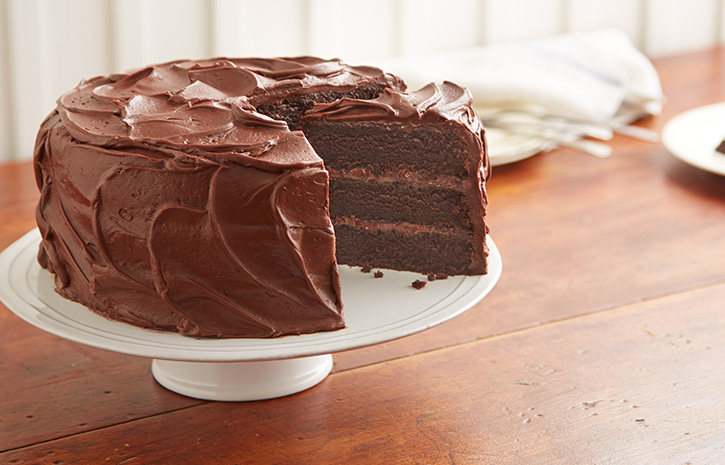
If you find you are craving for "naughty" foods that you would only eat occasionally before, you might want to stop yourself and think about why you want that piece of cake. Are you really hungry?
Many women when they reach menopause find themselves living alone... their children are off doing their own thing or away at university. Their husbands are at work all the time or maybe they are single. Quite often women feel lonely and turn to food for comfort... trying to fill a hole inside. Maybe it's time to reflect on what you do every day. Do you like what you do? Do you need to change your job? Maybe it is time to do something you have always wanted to or even start a new hobby. Think about what gives you more... pleasure from something you enjoy or extra pounds from too much cake?
On of the most important things in life is to embrace who you are and the stage your are in. If you go into menopause hating it, then it will probably be a terrible experience. Open your heart and mind to it, embrace it and yourself. Take a long look at how much stress is in your life and how you can make changes that will reduce stress, make you happier and how you can improve your diet.
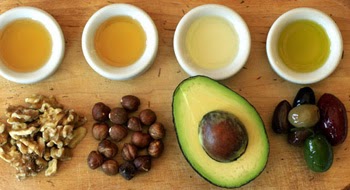
Kick out the high sugar, processed foods and carbs and embrace healthy fats such as olive oil, avocados, nuts and seeds. Make small and achievable changes that give you happiness and satisfaction and work towards a goal.
Make YOU your priority.
I can help you improve your health. If you would like to make an appointment with me either in person or via Skype, just send me an email to lucycarr@socialnutrition.com
Showing posts with label healthy fats. Show all posts
Thursday, 11 August 2016
Thursday, 26 May 2016
Fat to lower obesity
On the 14th April 2016 I wrote a post called "Don't Fear the Fat" which if you read it, you'll know is all about how fat isn't as dangerous as we have been told it is for the past few decades.
Today (23rd May 2016 at the time of writing), the National Obesity Forum and the Public Health Collaboration in the UK, have released a report which pretty much shows that most of what we have been told about how to eat a healthy balanced diet is basically... wrong.
The authors of the report say that the obesity epidemic is not only very real, but that it's roots lie in the belief that low fat diets are good for us. The report states that:
However, low fat or even no fat products, to me are deceiving. When you remove fat from a food, it becomes tasteless and therefore unappetizing. So manufacturers replace the fat with sugar, salt or both. We now know that what makes us gain the most weight is sugar and other forms of carbohydrates, so which would you prefer a yummy something with its natural fat, or a processed salt
and/or sugar ridden substance?
Anyway, getting back to the point at hand. A summary of this (in my point of view - wonderful report) is:
1. Processed foods labelled "low fat", "lite", "low cholesterol" or "proven to lower cholesterol" should be avoided at all costs.
2. People with type 2 diabetes should eat a fat-rich diet rather than a carbohydrate based diet.
3. Everyone should avoid sugar and we should stop counting calories and focus on fresh, whole foods.
4. Exercise does not reverse the negative effects of a bad diet. You need to change your diet and do the exercise to improve health.
5. "An effective and safe approach for preventing weight gain and aiding weight loss" is a diet low in refined carbohydrates but high in healthy fats.
6. "The continued demonization of omnipresent natural fat drives people away from highly nourishing, wholesome and health promoting foods."
The amount of times I have to convince my clients that it's OK to eat avocados is unbelievable. Avocados have had such bad press for so long that most people believe they are extremely fattening, when in fact, they aren't. They are packed full of healthy fats that our bodies need. The same goes for nuts. People gasp in horror when they are told to eat nuts, this is mainly because everyone thinks of nuts are the salted, roasted variety.
Raw almonds are packed full of amazingly nutritious properties, and clinical studies have proven that people who eat a handful of nuts 3-5 times a week live longer than those who don't.
Professor David Haslam, chairman of the National Obesity Forum said,
One of the main problems I feel that exists when contemplating a low carb, high fat diet is that when you say the word "fat" to people, they instantly think of fry-ups; processed bacon, fried eggs, fish and chips, greasy burgers... and that isn't what a high fat diet consists of.
The real deal on fats:
Omega-3 fatty acids are basically super fats for the heart and brain. Omega-3s are a type of polyunsaturated fat which play a vital role in cognitive function (memory, problem-solving, etc.) as well as emotional wellbeing. Omega-3s have been shown to prevent and reduce the symptoms of depression, ADHD, bipolar disorder. They can protect against memory loss and dementia, reduce the risk of heart disease, stroke and cancer. They can erase arthritis, joint pain and inflammatory skin conditions.
Good fats include: Avocados, olives, nuts (almonds, peanuts, macadamia nuts, hazelnuts, pecans, cashews), natural peanut butter with no added oils or sugars, just some salt. This is actually really easy to make, you just need organic peanuts some salt and a high powered blender. Just blend away. Walnuts, sunflower, sesame and pumpkin seeds, flaxseeds, salmon, tuna, mackerel, herring, trout and
sardines, Brussels Sprouts, kale, spinach, parsley and olive oil.
If you feel you would benefit from and Omega-3 supplement then I prefer krill oil as it is a fish oil that is soluble in water so better assimilated by the human body.
Fats gone bad:
A good fat can become damaged by light, heat or oxygen. Oils that are high in polyunsaturated fats (such as flaxseed oil) must be refrigerated and kept in an opaque container. Throw out all oils, seeds or nuts once they begin to smell or taste rancid or bitter. Heating oil to high temperatures damages their quality and beneficial properties. Coconut oil is a great oil to cook with as it can withstand high temperatures. Olive oil becomes damaged quickly at cooking temperatures, so be careful and never reuse oil.
So, what we are really looking at is a healthy diet of whole, natural and unprocessed foods - just like our parents or grandparents used to make for us. A source of protein, with lots of vegetables - this is what the human body needs. Carbohydrates? Few and whole, no refined carbs.
For example, my lunch today was a large salad made from one whole avocado, 1 diced tomato, a large chunk of cucumber and some red onion, dressed with olive oil and lime juice. I also had a handful of raw almonds that I heated first to release their natural oils.
I can help you improve your health. If you would like to make an appointment with me either in person or via Skype, just send me an email to lucycarr@socialnutrition.com
Today (23rd May 2016 at the time of writing), the National Obesity Forum and the Public Health Collaboration in the UK, have released a report which pretty much shows that most of what we have been told about how to eat a healthy balanced diet is basically... wrong.
The authors of the report say that the obesity epidemic is not only very real, but that it's roots lie in the belief that low fat diets are good for us. The report states that:
"Eating a diet rich in full-fat dairy - such as cheese, milk and yoghurt - can actually lower the chance of obesity."It goes on to say:
"The most natural and nutritious foods available - meat, fish, eggs, dairy products, nuts, seeds, olives, avocados - all contain saturated fat."Ok, now I am NOT an advocate of dairy produce. No other mammals need milk or milk products after weaning, so why do we? Or the link dairy produce has with cáncer and osteoporosis... but don't get me started on this one, otherwise this post will go on for way too long.
However, low fat or even no fat products, to me are deceiving. When you remove fat from a food, it becomes tasteless and therefore unappetizing. So manufacturers replace the fat with sugar, salt or both. We now know that what makes us gain the most weight is sugar and other forms of carbohydrates, so which would you prefer a yummy something with its natural fat, or a processed salt
and/or sugar ridden substance?
Anyway, getting back to the point at hand. A summary of this (in my point of view - wonderful report) is:1. Processed foods labelled "low fat", "lite", "low cholesterol" or "proven to lower cholesterol" should be avoided at all costs.
2. People with type 2 diabetes should eat a fat-rich diet rather than a carbohydrate based diet.
3. Everyone should avoid sugar and we should stop counting calories and focus on fresh, whole foods.
4. Exercise does not reverse the negative effects of a bad diet. You need to change your diet and do the exercise to improve health.
5. "An effective and safe approach for preventing weight gain and aiding weight loss" is a diet low in refined carbohydrates but high in healthy fats.
6. "The continued demonization of omnipresent natural fat drives people away from highly nourishing, wholesome and health promoting foods."
The amount of times I have to convince my clients that it's OK to eat avocados is unbelievable. Avocados have had such bad press for so long that most people believe they are extremely fattening, when in fact, they aren't. They are packed full of healthy fats that our bodies need. The same goes for nuts. People gasp in horror when they are told to eat nuts, this is mainly because everyone thinks of nuts are the salted, roasted variety.
Raw almonds are packed full of amazingly nutritious properties, and clinical studies have proven that people who eat a handful of nuts 3-5 times a week live longer than those who don't.
Professor David Haslam, chairman of the National Obesity Forum said,
"As a clinician, treating patients all day every day, I quickly realized guidelines from on high, suggesting high carbohydrate, low fat diets were the universal panacea, were deeply flawed.
"Current efforts have failed - the proof being that obesity levels are higher than they have ever been, and show no chance of reducing despite the best efforts of the Government and scientists."Other people such as Tim Noakes, a marathon runner, author, scientist and emeritus professor in the Division of Exercise Science and Sports Medicine at the University of Cape Town, says that low carb, high fat diets are much better for us and for professional athletes than high carb diets.
One of the main problems I feel that exists when contemplating a low carb, high fat diet is that when you say the word "fat" to people, they instantly think of fry-ups; processed bacon, fried eggs, fish and chips, greasy burgers... and that isn't what a high fat diet consists of.
The real deal on fats:
Omega-3 fatty acids are basically super fats for the heart and brain. Omega-3s are a type of polyunsaturated fat which play a vital role in cognitive function (memory, problem-solving, etc.) as well as emotional wellbeing. Omega-3s have been shown to prevent and reduce the symptoms of depression, ADHD, bipolar disorder. They can protect against memory loss and dementia, reduce the risk of heart disease, stroke and cancer. They can erase arthritis, joint pain and inflammatory skin conditions.
Good fats include: Avocados, olives, nuts (almonds, peanuts, macadamia nuts, hazelnuts, pecans, cashews), natural peanut butter with no added oils or sugars, just some salt. This is actually really easy to make, you just need organic peanuts some salt and a high powered blender. Just blend away. Walnuts, sunflower, sesame and pumpkin seeds, flaxseeds, salmon, tuna, mackerel, herring, trout and sardines, Brussels Sprouts, kale, spinach, parsley and olive oil.
If you feel you would benefit from and Omega-3 supplement then I prefer krill oil as it is a fish oil that is soluble in water so better assimilated by the human body.
Fats gone bad:
A good fat can become damaged by light, heat or oxygen. Oils that are high in polyunsaturated fats (such as flaxseed oil) must be refrigerated and kept in an opaque container. Throw out all oils, seeds or nuts once they begin to smell or taste rancid or bitter. Heating oil to high temperatures damages their quality and beneficial properties. Coconut oil is a great oil to cook with as it can withstand high temperatures. Olive oil becomes damaged quickly at cooking temperatures, so be careful and never reuse oil.
So, what we are really looking at is a healthy diet of whole, natural and unprocessed foods - just like our parents or grandparents used to make for us. A source of protein, with lots of vegetables - this is what the human body needs. Carbohydrates? Few and whole, no refined carbs.
For example, my lunch today was a large salad made from one whole avocado, 1 diced tomato, a large chunk of cucumber and some red onion, dressed with olive oil and lime juice. I also had a handful of raw almonds that I heated first to release their natural oils.
I can help you improve your health. If you would like to make an appointment with me either in person or via Skype, just send me an email to lucycarr@socialnutrition.com
Thursday, 30 April 2015
Sugar vs Fat
This week I posted a photo on Twitter titled "The Sugar you Drink". It was a very graphic way of demonstrating the amount of sugar in the drinks people consume on a daily basis.
However, sugar is HIDDEN in so many things that it is ridiculously difficult to know exactly how much you are really consuming. Sugar is found not only in sweet foods like biscuits, chocolate or cake, but also in savory foods and some that are deemed "healthy", for example, low fat yogurts, wine, balsamic vinegar, salad dressings, pasta sauces and ready meals. Even low calories sweeteners such as Canderel or Splenda will not stop you putting on weight. Artificial sweeteners provoke the same reaction in the brain/ body as sugar. The taste buds register the sweetness and send a message to the brain that sugar is coming, insulin is then released to lower the rise in blood glucose, however, the calories never arrive, but the damage is already done.
Our bodies are designed to only allow a small amount of sugar in the bloodstream, about 1-2 teaspoons, any more than that and the insulin process swings into action. The insulin removes the sugar from the blood and converts it into fat and then stores it around your waist. When your diet has too much sugar in it, your cells can become resistant to insulin which increases your risk of type 2 diabetes, and heart disease even if you DON'T have a weight problem.
Investigators now know that excess sugar can attach itself to cells all over the body, this is a process called glycation where the sugar forms a hard sticky crust around the cells. This causes cell damage which is what causes wrinkles and premature aging from the inside out.
You will do well to remember that sugar is not only chocolate, biscuits and cake, but all carbohydrates are converted into sugar during the digestion process. I do not advocate excluding entire food groups, so my advice is to stick to the natural sugars found in nature; fruit (only a little), potatoes, carrots, and if you can't go without bread then at least make it as whole grain as humanly possible and go for one with a low GI rating such as Rye. However, you must limit your intake of carbohydrates to 2-3 times a week if you are trying to lose weight.
So, what happens if you quit sugar? A LOT HAPPENS. You will have healthy glowing skin and hair, a trim figure and loads of energy that you've probably been lacking for years. So take advantage of it and get moving!
Why fat is better than sugar.
Fat has had bad press for decades and is only recently making a come-back. Fat is good for you, but you need to know which are the healthy fats and which ones your should stay away from.
Stay away from: Vegetable oils such as canola (from rapeseed), soya, sunflower, safflower and corn. This includes margarines. Vegetable oils and margarines are subjected to horrendous refining processes using industrial solvents and hydrogenation processes (margarine). This also means staying away from any products that use these fats in their ingredients; crisps, industrially produced pastries such as doughnuts, biscuits, cakes and fried foods.
HEALTHY FATS are essential for health. There are many nutrients found in vegetables such as lycopene, betacarotene and certain vitamins that need the presence of fat in order to be absorbed by the body.
Healthy fats are: oily fish such as salmon and mackerel, nuts, seeds, avocados and olive oil, all of which contain Essential Fatty Acids (EFAs). These EFAs provide various important health functions in the body and can only be obtained from food - our bodies can not make them on their own. The outer layer of our cells is made of fat, therefore we need to consume healthy fats to maintain the cell wall strong, healthy and supple so that it can perform its important functions. New information has come to light that even includes certain saturated fats such as butter, coconut oil and red meat, as healthier than previously thought.
I drizzle my steamed vegetables with butter - delicious!
So, my advice, ditch the sugar and add some healthy fats to your diet!
I can help you improve your health. If you would like to make an appointment with me either in person or via Skype, just send me an email to lucycarr@socialnutrition.com
However, sugar is HIDDEN in so many things that it is ridiculously difficult to know exactly how much you are really consuming. Sugar is found not only in sweet foods like biscuits, chocolate or cake, but also in savory foods and some that are deemed "healthy", for example, low fat yogurts, wine, balsamic vinegar, salad dressings, pasta sauces and ready meals. Even low calories sweeteners such as Canderel or Splenda will not stop you putting on weight. Artificial sweeteners provoke the same reaction in the brain/ body as sugar. The taste buds register the sweetness and send a message to the brain that sugar is coming, insulin is then released to lower the rise in blood glucose, however, the calories never arrive, but the damage is already done.
Our bodies are designed to only allow a small amount of sugar in the bloodstream, about 1-2 teaspoons, any more than that and the insulin process swings into action. The insulin removes the sugar from the blood and converts it into fat and then stores it around your waist. When your diet has too much sugar in it, your cells can become resistant to insulin which increases your risk of type 2 diabetes, and heart disease even if you DON'T have a weight problem.
You will do well to remember that sugar is not only chocolate, biscuits and cake, but all carbohydrates are converted into sugar during the digestion process. I do not advocate excluding entire food groups, so my advice is to stick to the natural sugars found in nature; fruit (only a little), potatoes, carrots, and if you can't go without bread then at least make it as whole grain as humanly possible and go for one with a low GI rating such as Rye. However, you must limit your intake of carbohydrates to 2-3 times a week if you are trying to lose weight.
So, what happens if you quit sugar? A LOT HAPPENS. You will have healthy glowing skin and hair, a trim figure and loads of energy that you've probably been lacking for years. So take advantage of it and get moving!
Why fat is better than sugar.
Fat has had bad press for decades and is only recently making a come-back. Fat is good for you, but you need to know which are the healthy fats and which ones your should stay away from.
Stay away from: Vegetable oils such as canola (from rapeseed), soya, sunflower, safflower and corn. This includes margarines. Vegetable oils and margarines are subjected to horrendous refining processes using industrial solvents and hydrogenation processes (margarine). This also means staying away from any products that use these fats in their ingredients; crisps, industrially produced pastries such as doughnuts, biscuits, cakes and fried foods.
HEALTHY FATS are essential for health. There are many nutrients found in vegetables such as lycopene, betacarotene and certain vitamins that need the presence of fat in order to be absorbed by the body.
Healthy fats are: oily fish such as salmon and mackerel, nuts, seeds, avocados and olive oil, all of which contain Essential Fatty Acids (EFAs). These EFAs provide various important health functions in the body and can only be obtained from food - our bodies can not make them on their own. The outer layer of our cells is made of fat, therefore we need to consume healthy fats to maintain the cell wall strong, healthy and supple so that it can perform its important functions. New information has come to light that even includes certain saturated fats such as butter, coconut oil and red meat, as healthier than previously thought.I drizzle my steamed vegetables with butter - delicious!
So, my advice, ditch the sugar and add some healthy fats to your diet!
I can help you improve your health. If you would like to make an appointment with me either in person or via Skype, just send me an email to lucycarr@socialnutrition.com
Thursday, 27 June 2013
Why you shouldn't trust Food Pyramids
Food pyramids have been around for decades. The first pyramid was published in Sweden in 1974. However, the most widely known food pyramid was introduced by the United States Department of Agriculture (USDA) in 1992 (pictured on the left), was updated in 2005 and then replaced in 2011 by "my plate", which is only a slightly bettered version of the food pyramid.
Many nutritional experts, such as Harvard nutritionist Dr. Walter Willett, believe the 1992 pyramid does not reflect the latest research in dietetics. Technically the pyramid allowed dietary choices that have been linked to heart disease: three cups of whole milk and one 230g hamburger daily - for example.
The fats group as a whole have been put at the tip of the pyramid with a warning to eat as little as possible, which is problematic in itself. If you take the pyramid at face value you would believe that you should avoid the fats group as much as possible - this could lead to the health problems. Fat is essential to maintain optimum health. Research has found that unsaturated fats aid in weight loss, reduce heart disease risk, lower blood sugar and even lower cholesterol. This type of fat can be found in olive oil, nuts, seafood, and avocados. Also, they keep you feeling satisfied for longer, and help keep blood sugar at steady levels and help brain function.
However, one of the most worrying parts of the food pyramid released by the USDA is the widest section at the bottom suggests that what we should eat the most of is grains, pasta and breads despite the evidence showing that grains break down into sugar in your body and therefore promote fat accumulation and drives insulin resistance and related diseases including diabetes, heart disease and cancer.
So why grains? They are cheap and easy to grow and they are also cheap and easy to buy, you can feed more people cheaply with grains than growing vegetables or raising cattle.
Saturated fat has always had a bad name too, but there is also mounting evidence that saturated fat is actually an incredibly healthy, nourishing, and all-natural fat that we humans have been thriving on for generations. Saturated fats when included in the diet, give lots of energy and leave you feeling satisfied for longer therefore preventing you from eating too much. They are also necessary for the absorption of fat soluble vitamins such as vitamins A, D, E and K and are also needed for mineral absorption and many biological precesses. (For more information on this type of fats you can see my post The Truth About Saturated Fats).
Dr. Mercola has designed a food pyramid based on Nutritional Science - which would promote optimal
health. He believes, and I am inclined to agree with him, that the USDA pyramid is based on agricultural subsidies and industry lobbying efforts. His pyramid is almost like turning the USDA pyramid upside down. He features healthful fats and vegetables on the bottom - the base for what we should all be eating. 50% of our daily calorie intake should come from healthful fats and vegetables such as, avocados, coconut oil, nuts and raw butter. Vegetables should represent the main bulk of your daily intake, they are low in calories but high in a huge number of critical nutrients.
He then goes on to suggest high quality proteins, followed by a moderate amount of fruits. Why so few fruits? Well according to Mercola, lots of fruits are very high in fructose, the natural sugar found in fruit, and Mercola would really prefer we stay as far away from fructose as possible. Here I am in two minds... yes, if you eat lots of fruits with a high fructose content it is possible that you will have to deal with health problems, however, Mercola's main problem seems to be with High Fructose Corn Syrup which has been highly processed and is completely different from the natural Fructose found in fruits. The human body has ways of digesting the natural fruit fructose, as with everything - just don't over do it! There are plenty of tables on the Internet which show the content of fructose in different fruits. My advice would be to keep the high fructose fruits to a minimun and in the mornings to give you an energy boost through the day, and lower fructose fruits in the afternoon evening when you don't need so much energy.
Finally at the very top of Mercola's pyramid you'll find grains and sugars. This top part could be eliminated entirely from your diet and he assures your health will benefit greatly is you chose to do so.
Apart from the fructose question, I totally agree with Mercola's pyramid. I highly recommend you read his article in full, you can follow this link to read it: Dr Mercola's article.
Social Nutrition:
You can make an appointment to improve your health with Social Nutrition either in person (Madrid) or online (Skype). Just send an email to lucycarr@socialnutrition.com
Many nutritional experts, such as Harvard nutritionist Dr. Walter Willett, believe the 1992 pyramid does not reflect the latest research in dietetics. Technically the pyramid allowed dietary choices that have been linked to heart disease: three cups of whole milk and one 230g hamburger daily - for example.
The fats group as a whole have been put at the tip of the pyramid with a warning to eat as little as possible, which is problematic in itself. If you take the pyramid at face value you would believe that you should avoid the fats group as much as possible - this could lead to the health problems. Fat is essential to maintain optimum health. Research has found that unsaturated fats aid in weight loss, reduce heart disease risk, lower blood sugar and even lower cholesterol. This type of fat can be found in olive oil, nuts, seafood, and avocados. Also, they keep you feeling satisfied for longer, and help keep blood sugar at steady levels and help brain function.
However, one of the most worrying parts of the food pyramid released by the USDA is the widest section at the bottom suggests that what we should eat the most of is grains, pasta and breads despite the evidence showing that grains break down into sugar in your body and therefore promote fat accumulation and drives insulin resistance and related diseases including diabetes, heart disease and cancer.
So why grains? They are cheap and easy to grow and they are also cheap and easy to buy, you can feed more people cheaply with grains than growing vegetables or raising cattle.
Saturated fat has always had a bad name too, but there is also mounting evidence that saturated fat is actually an incredibly healthy, nourishing, and all-natural fat that we humans have been thriving on for generations. Saturated fats when included in the diet, give lots of energy and leave you feeling satisfied for longer therefore preventing you from eating too much. They are also necessary for the absorption of fat soluble vitamins such as vitamins A, D, E and K and are also needed for mineral absorption and many biological precesses. (For more information on this type of fats you can see my post The Truth About Saturated Fats).
Dr. Mercola has designed a food pyramid based on Nutritional Science - which would promote optimal
health. He believes, and I am inclined to agree with him, that the USDA pyramid is based on agricultural subsidies and industry lobbying efforts. His pyramid is almost like turning the USDA pyramid upside down. He features healthful fats and vegetables on the bottom - the base for what we should all be eating. 50% of our daily calorie intake should come from healthful fats and vegetables such as, avocados, coconut oil, nuts and raw butter. Vegetables should represent the main bulk of your daily intake, they are low in calories but high in a huge number of critical nutrients.
He then goes on to suggest high quality proteins, followed by a moderate amount of fruits. Why so few fruits? Well according to Mercola, lots of fruits are very high in fructose, the natural sugar found in fruit, and Mercola would really prefer we stay as far away from fructose as possible. Here I am in two minds... yes, if you eat lots of fruits with a high fructose content it is possible that you will have to deal with health problems, however, Mercola's main problem seems to be with High Fructose Corn Syrup which has been highly processed and is completely different from the natural Fructose found in fruits. The human body has ways of digesting the natural fruit fructose, as with everything - just don't over do it! There are plenty of tables on the Internet which show the content of fructose in different fruits. My advice would be to keep the high fructose fruits to a minimun and in the mornings to give you an energy boost through the day, and lower fructose fruits in the afternoon evening when you don't need so much energy.
Finally at the very top of Mercola's pyramid you'll find grains and sugars. This top part could be eliminated entirely from your diet and he assures your health will benefit greatly is you chose to do so.
Apart from the fructose question, I totally agree with Mercola's pyramid. I highly recommend you read his article in full, you can follow this link to read it: Dr Mercola's article.
Social Nutrition:
You can make an appointment to improve your health with Social Nutrition either in person (Madrid) or online (Skype). Just send an email to lucycarr@socialnutrition.com
Monday, 1 October 2012
Pure Coconut Oil. A "cure" for Alzheimer's?
I was left totally amazed yesterday... my caring uncle who sends me hundreds of emails a week (mostly jokes) sent me this little gem which really had me investigating further.
Dr. Mary T. Newport M.D. had to face the terrible news that her husband had advanced Alzheimer's Disease. As a pediatrician she didn't know much about Alzheimer's so investigated as much as she could on the disease. She likens it to a type of diabetes of the brain where insulin issues prevent the brain cells from obtaining the glucose that they need for fuel. When deprived of glucose the brain cells eventually shrivel and die.
However there is an alternative fuel in the form of KETONES which are metabolized in the liver after you eat medium chain triglycerides. One form of medium chain triglycerides is pure coconut oil. Dr. Newport began to incorporate pure coconut oil into her husband's diet and the first signs of improvement were seen in just 2 weeks. At his diagnosis they asked him to draw a clock - he was not able to, after 2 weeks of pure coconut oil, he was able to, another 2 weeks later his clock was perfect. His speech had improved, his coordination had improved he even had more energy and a more positive attitude... absolutely amazing for such a short space of time. Dr. Newport even documented her husband's progress in her book Alzheimer's Disease - What if there was a cure?
What is known is that Professor Kieran Clarke Ph.D of Oxford University (UK), and her team have created a Ketone Ester that is 10 times more powerful than pure coconut oil and could be a wonder remedy. Sadly, it all comes back to money... they need millions of pounds to mass produce it and it wouldn't be a profitable business for the investors. This is sad when you consider that by the year 2050 there will be 15.000.000 people in the United States alone with Alzheimer's Disease. Maybe it's time to stop looking at profits and start thinking about reducing the burden on the State produced by 15.000.000 people suffering from Alzheimer's Disease.
You can watch the CBN News report here: http://www.youtube.com/watch_ popup?v=ZZOR-Qd3QSg it only takes 5 minutes and may change your life.
As far as Pure Coconut Oil is concerned here are some helpful tips:
Coconut oil can be substituted for any solid or liquid oil, lard, or butter in stove top cooking o baking. It can be mixed directly into previously prepared dishes. Some people like to take a spoonful straight up, but this can be disagreeable for some people so mixing it with something else is more palatable.
Coconut oil used to have a bad name as it was considered to raise cholesterol levels... that was before scientists discovered that there are two types of cholesterol; LDL or bad cholesterol and HDL which is the good cholesterol that protects the heart. Coconut oil has been found to raise the HDL marker and therefore protects the heart. Coconut oil has also been found to contain small amounts of phytosterols which are one of the components of "statins" used for lowering cholesterol.
It is important to use PURE coconut oil, you must make sure it is non-hydrogenated with no transfat. Coconut oil that are hydrogenated or have been super heated because it changes the chemical structure of the fats. You must look for products called "virgin", "organic" or "unrefined".
Coconut milk is a combination of the oil and the water from the coconut and most of the calories are from the oil. Coconut cream is mostly coconut milk and sometimes has sugar added. Grated or flaked coconut can be purchased unsweetened or sweetened and is a good source of fiber and coconut oil and contains about 15 grams of oil and 3 grams of fiber per 1/4 cup. However, canned or frozen coconut meat normally contains a lot of added sugar and not much oil per serving. A fresh coconut can be cut up into pieces and eaten fresh. A 2x2 inch piece has about 160 calories and contains 15 grams of oil and 4 grams of fiber. Coconut water does not contain coconut oil usually, but does provide other health benefits. Its electrolyte composition is similar to that of human plasma and is useful in the prevention or treatment of dehydration.
Incorporation of pure coconut oil into the diet is beneficial to those people who have a neurodegenerative disease that involves decreased glucose uptake in neurons such as Alzheimer's Disease and other Dementias, Parkinson's, ALS, Multiple Sclerosis, Duchenne muscular dystrophy, autism, Down's syndrome, and Huntington's chorea.
Ketones are also an alternative fuel for other cells in the body that are resistant to insulin or cannot transport glucose, they could also potentially lessen the effects of diabetes I and II on the brain and other organs.
Incorporating pure coconut oil into the diet should be done slowly, too much too soon could produce indigestion, cramping or diarrhea. Start by taking 1 teaspoon of oil with food per meal, increasing gradually, as tolerated, over a week or longer to 4-6 tablespoons a day spread between 2-4 meals.
However, if you have a weight problem or you gain weight easily then you must be careful, as with any fat. You can substitute your usual oils for pure coconut oil but if that isn't enough then you should cut back on the amount of carbohydrates you are consuming. You can also cut back from full fat milk to skimmed milk inorder to balance out the amount of fats you are ingesting.
Remember most of the cells in the body are regenerated within 3-6 months so any damage you may have sustained from consuming trans fats in vegetable oils, could be improved and after that time you may notice an improvement in your skin and a decrease in certain problems such as yeast and fungal infections.
For more information go to: www.coconutketones.com
Dr. Mary T. Newport M.D. had to face the terrible news that her husband had advanced Alzheimer's Disease. As a pediatrician she didn't know much about Alzheimer's so investigated as much as she could on the disease. She likens it to a type of diabetes of the brain where insulin issues prevent the brain cells from obtaining the glucose that they need for fuel. When deprived of glucose the brain cells eventually shrivel and die.
However there is an alternative fuel in the form of KETONES which are metabolized in the liver after you eat medium chain triglycerides. One form of medium chain triglycerides is pure coconut oil. Dr. Newport began to incorporate pure coconut oil into her husband's diet and the first signs of improvement were seen in just 2 weeks. At his diagnosis they asked him to draw a clock - he was not able to, after 2 weeks of pure coconut oil, he was able to, another 2 weeks later his clock was perfect. His speech had improved, his coordination had improved he even had more energy and a more positive attitude... absolutely amazing for such a short space of time. Dr. Newport even documented her husband's progress in her book Alzheimer's Disease - What if there was a cure?
What is known is that Professor Kieran Clarke Ph.D of Oxford University (UK), and her team have created a Ketone Ester that is 10 times more powerful than pure coconut oil and could be a wonder remedy. Sadly, it all comes back to money... they need millions of pounds to mass produce it and it wouldn't be a profitable business for the investors. This is sad when you consider that by the year 2050 there will be 15.000.000 people in the United States alone with Alzheimer's Disease. Maybe it's time to stop looking at profits and start thinking about reducing the burden on the State produced by 15.000.000 people suffering from Alzheimer's Disease.
You can watch the CBN News report here: http://www.youtube.com/watch_
As far as Pure Coconut Oil is concerned here are some helpful tips:
Coconut oil can be substituted for any solid or liquid oil, lard, or butter in stove top cooking o baking. It can be mixed directly into previously prepared dishes. Some people like to take a spoonful straight up, but this can be disagreeable for some people so mixing it with something else is more palatable.
Coconut oil used to have a bad name as it was considered to raise cholesterol levels... that was before scientists discovered that there are two types of cholesterol; LDL or bad cholesterol and HDL which is the good cholesterol that protects the heart. Coconut oil has been found to raise the HDL marker and therefore protects the heart. Coconut oil has also been found to contain small amounts of phytosterols which are one of the components of "statins" used for lowering cholesterol.
It is important to use PURE coconut oil, you must make sure it is non-hydrogenated with no transfat. Coconut oil that are hydrogenated or have been super heated because it changes the chemical structure of the fats. You must look for products called "virgin", "organic" or "unrefined".
Coconut milk is a combination of the oil and the water from the coconut and most of the calories are from the oil. Coconut cream is mostly coconut milk and sometimes has sugar added. Grated or flaked coconut can be purchased unsweetened or sweetened and is a good source of fiber and coconut oil and contains about 15 grams of oil and 3 grams of fiber per 1/4 cup. However, canned or frozen coconut meat normally contains a lot of added sugar and not much oil per serving. A fresh coconut can be cut up into pieces and eaten fresh. A 2x2 inch piece has about 160 calories and contains 15 grams of oil and 4 grams of fiber. Coconut water does not contain coconut oil usually, but does provide other health benefits. Its electrolyte composition is similar to that of human plasma and is useful in the prevention or treatment of dehydration.
Incorporation of pure coconut oil into the diet is beneficial to those people who have a neurodegenerative disease that involves decreased glucose uptake in neurons such as Alzheimer's Disease and other Dementias, Parkinson's, ALS, Multiple Sclerosis, Duchenne muscular dystrophy, autism, Down's syndrome, and Huntington's chorea.
Ketones are also an alternative fuel for other cells in the body that are resistant to insulin or cannot transport glucose, they could also potentially lessen the effects of diabetes I and II on the brain and other organs.
Incorporating pure coconut oil into the diet should be done slowly, too much too soon could produce indigestion, cramping or diarrhea. Start by taking 1 teaspoon of oil with food per meal, increasing gradually, as tolerated, over a week or longer to 4-6 tablespoons a day spread between 2-4 meals.
However, if you have a weight problem or you gain weight easily then you must be careful, as with any fat. You can substitute your usual oils for pure coconut oil but if that isn't enough then you should cut back on the amount of carbohydrates you are consuming. You can also cut back from full fat milk to skimmed milk inorder to balance out the amount of fats you are ingesting.
Remember most of the cells in the body are regenerated within 3-6 months so any damage you may have sustained from consuming trans fats in vegetable oils, could be improved and after that time you may notice an improvement in your skin and a decrease in certain problems such as yeast and fungal infections.
For more information go to: www.coconutketones.com
Subscribe to:
Comments (Atom)